

By Ezinwanne Onwuka
(Abuja) For thousands of Nigerians who frequently travel to the United States for business, study, tourism, or family visits, the road just got bumpier.
On July 8, 2025, the U.S. government slashed the validity of short-term non-immigrant visas for Nigerians from five years and multiple entries to just three months and a single entry. It is a major policy shift that will force repeat travelers to reapply for visas for every trip.
The change, announced by the U.S. Embassy in Abuja, applies only to visas issued from that date. Previously issued visas remain valid for their original duration and terms.
High Overstay Rates, Limited Records Prompt Visa Review
The U.S. government said the move is part of a global visa reciprocity review.
“U.S. visa criteria and standards are designed to protect the integrity of U.S. immigration systems,” the U.S. Embassy and Consulate in Nigeria explained in a statement on its website. “These standards are based on global technical and security benchmarks.”
Two key reasons were cited for the policy change: a high rate of visa overstays by Nigerian nationals, and the need for better access to immigration records from Nigerian authorities.
Also, while Nigeria offers five-year multiple-entry visas to Americans, it also grants short-term, single-entry visas valid up to 90 days for tourists, business, and social visits, including to Americans.
U.S. officials say the new three-month, single-entry rule for Nigerians simply mirrors what Nigerian authorities already issue to some American applicants.
Nigeria Disagrees: ‘This Isn’t Reciprocity’
The Nigerian government was quick to push back, insisting it continues to offer long-term visa validity to Americans.
“President Bola Ahmed Tinubu has never stopped issuing five-year multiple-entry visas for U.S. citizens, in accordance with the principle of subsisting bilateral agreements and reciprocity,” Presidential spokesperson Bayo Onanuga said on July 10.
The Ministry of Foreign Affairs echoed this position, warning that the decision could strain relations.
“The decision appears misaligned with the principles of reciprocity, equity, and mutual respect that should guide bilateral engagements between friendly nations,” said Kimiebi Imomotimi Ebienfa, spokesperson of the Ministry.
Policy Hits Nigerians Where It Hurts
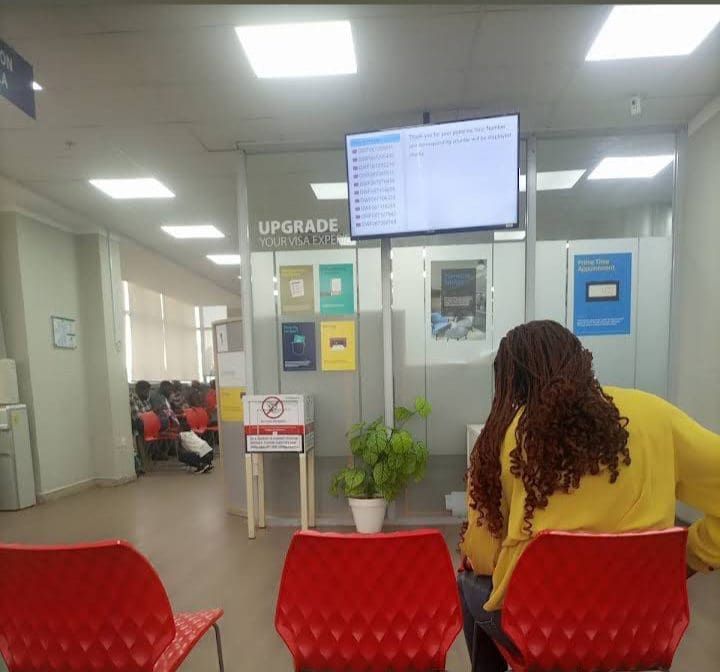
For Nigerian travelers, the change is more than just bureaucratic.
Frequent travelers will now need to submit fresh visa applications for every trip, pay application fees repeatedly, and face longer processing times. Students and professionals who previously benefited from long-term flexibility may now find themselves constrained.
Collins Nweke, a former Green Councillor at Ostend City Council in Belgium, called the policy “excessive” and “punitive.”
“Nigeria is Africa’s most populous nation and a long-standing regional partner of the United States. The implications of such a policy shift for Nigeria demand urgent reflection,” he said.
From Visa Cuts to Potential Travel Ban
The situation could become even more serious. On June 9, 2025, U.S. President Donald Trump signed a directive banning entry from 12 countries, seven of them African, citing national security threats.
Although Nigeria was not on that list, a leaked memo from U.S. Secretary of State Marco Rubio revealed that 36 other countries, including Nigeria, are now under review for possible inclusion in an expanded travel ban.
Those countries have been given 60 days to meet new U.S. benchmarks for identity verification, information-sharing, and security vetting.
As of the time of writing this report, the expanded ban has not been officially announced, but the warning has raised fresh concerns in Nigeria.
“The Nigerian American relationship spans decades of military cooperation, economic engagement, and people-to-people ties. This episode must serve as a mirror for introspection,” said Nweke.
“If Nigeria is perceived globally as a migration or security risk, then its internal governance systems need urgent reform. Nigeria’s diplomatic efforts must be reformed without delay. The diplomatic missions must engage in proactive image-building.”
Nigeria, U.S. Activate Diplomatic Channels
President Bola Ahmed Tinubu has directed government agencies to comply with the new visa policy while his administration engages with U.S. authorities to address the situation.
Nweke underscored the need for this engagement. “The Nigerian government must seek immediate clarification from its American counterpart, not through megaphones, but through mature, back-channel diplomacy,” he said.
“If Nigeria’s inclusion stems from concerns over security or documentation issues, those are areas Nigeria can and should improve. By doing so, it is not to appease Washington. It is to safeguard its global reputation.”
The U.S. Embassy also confirmed its commitment to working with Nigerian authorities, saying it values its longstanding relationship with Nigeria.
Meanwhile, Nigeria’s Ministry of Foreign Affairs has formally urged the U.S. to reconsider its decision “in the spirit of partnerships, cooperation, and shared global interests.”
Ezinwanne Onwuka writes human interest and feature stories for TruthNigeria from Abuja