

Video Courtesy: Nigerian Military Media
By Onibiyo Segun
(Northwest Nigeria)In a major escalation of its counterterrorism efforts, the Nigerian military launched a coordinated airstrike on July 9, destroying a heavily armed convoy of militant fighters traveling through the remote forests of northwest Nigeria — an area plagued by rising insecurity and lawlessness.
The Nigerian Air Force (NAF) targeted a group of over 150 motorcycle-riding gunmen moving in formation near the border of two violence-stricken states: Zamfara and Kebbi. These states lie roughly 250 miles northwest of the capital, Abuja, and have become epicenters of banditry and rural terrorism in recent years.
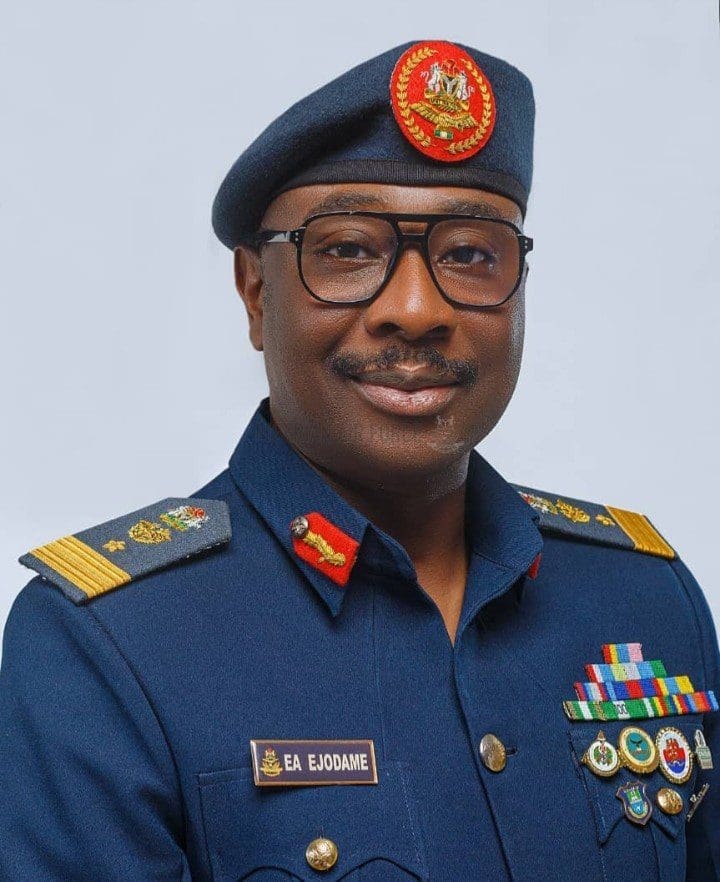
“Our aircraft intercepted and engaged the convoy mid-transit,” said Air Commodore Edward Gabkwet, the Air Force’s chief spokesperson. “The terrorists were moving in tactical formation, armed and mobile. They were eliminated before reaching their target.”
Real-Time Surveillance and Ground Follow-Up
The operation, named FANSAN YAMMA (Hausa for “Sweep the West”), was guided by aerial surveillance and real-time intelligence. After the airstrikes, ground troops and local militia units known as Community Guards swept through forest trails where some fighters were believed to be regrouping. Weapons, motorcycles, and other supplies were recovered.
Though the military did not release an official body count, Gabkwet described the mission as a “significant blow” to terrorist groups operating in the region.
“We’re denying these groups the mobility and sanctuary they’ve long exploited in the northwest,” he added.
Experts See a Shift in Strategy
Security analysts say the operation marks a shift in how Nigeria confronts asymmetric warfare. Dr. Kabiru Adamu, a defense consultant based in Abuja, told TruthNigeria the precision and planning behind the strike reflect a more mature, intelligence-led military strategy.
“This was not just reactive — it was a proactive interdiction,” he said. “But to make it stick, Nigeria needs to follow up with ground forces who can hold territory and win over local populations.”
Civilian Fear and Fallout

While the Air Force reported no civilian casualties, residents in nearby villages expressed fear of reprisal attacks. In the farming community of Ruwan Doruwa, about 25 miles from the strike zone, some families stopped tending their fields, fearing retaliation from fleeing militants.
“We heard the bombs from afar and saw the smoke,” said Nasiru Bala, a local farmer. “We thank the military, but they must finish the job. If any of these fighters escape, they’ll come back angry.”
A Crisis Bigger Than Banditry
The conflict in northwest Nigeria goes far beyond cattle rustling or local crime. Analysts warn that some of these groups are becoming more organized and ideological, with links to jihadist networks operating in the broader West African region.
“This is no longer just rural banditry,” said Dr. Oludayo Tade, a criminologist at the University of Ibadan. “There is growing evidence of connections to international terrorist groups. That changes the stakes.”
Displacement and Devastation
More than 300,000 people have been displaced in Zamfara and Kebbi states alone, according to the International Organization for Migration. Many of the affected communities have seen villages razed, farmland abandoned, and local economies crippled.
“You Don’t Win Wars with One Raid”
Retired military officials warn against viewing the airstrike as a turning point without sustained military and humanitarian efforts.
“This kind of operation builds momentum, but it’s just a piece of the puzzle,” said Major General John Enenche (retired), former spokesperson for Nigeria’s Defense Headquarters said in an online chat group with TruthNigeria and defense reporters. “You need follow-through, local intelligence, and a long-term plan to stabilize the region.”
He also emphasized the importance of working with local civilian defense groups, many of whom are already fighting back with limited resources.
“The local hunters know the terrain better than our drones,” he added. “They must be trained and supported.”
Bombs Can’t Build Peace
Religious leaders such as Bishop Matthew Hassan Kukah of Sokoto urged the government not to rely solely on military solutions.
“We cannot bomb our way to peace,” he said in a text message to TruthNigeria. “Airstrikes are necessary, yes — but so are roads, schools, and justice. Without a holistic strategy, the root causes will remain.”
Onibiyo Segun is a security and conflict reporter for TruthNigeria. He specializes in coverage of terrorism, displacement, and military operations across Nigeria’s conflict zones.