
Critics See Bill as Effort to Marginalize Most Tribes
By Mike Odeh James
(Abuja) Ethnic groups across Nigeria, predominantly Christian communities, are voicing fierce opposition to a Senate bill that seeks to permanently install the Sultan of Sokoto—a Muslim Fulani monarch—as a national co-leader alongside the Ooni of Ife the traditional ruler considered one of the most influential rulers among Yoruba people.
Critics warn the move could be a backdoor attempt at Islamization, forcing non-Muslim communities to symbolically submit to an Islamic ruler’s authority.
Who Is the Sultan?
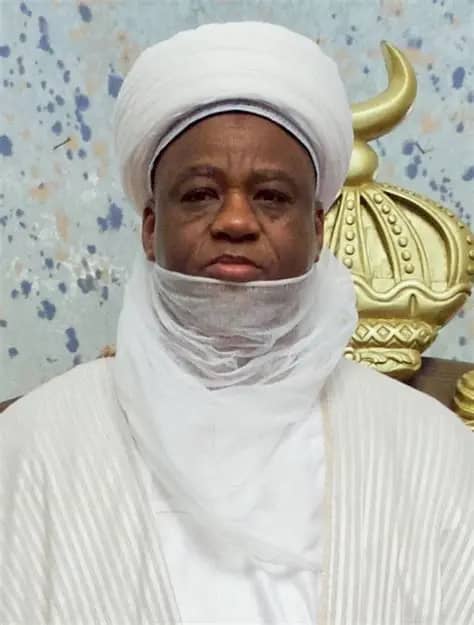
The Sultan of Sokoto, His Eminence Muhammadu Sa’ad Abubakar III, is Nigeria’s highest Muslim cleric and leader of the Fulani people.
The Fulani people, numbering up to 10 million in Nigeria, include many who are semi-nomadic herders. The herding sub-group includes armed factions known as Fulani Ethnic Militias, who have been carrying out deadly attacks on Christian farming communities in Nigeria’s Middle Belt—including killings, kidnappings, and sexual violence.
As a descendant of Usman dan Fodio, the 19th-century jihadist whose conquests reshaped northern and central Nigeria, the Sultan inherits a legacy tied to the displacement of many indigenous peoples.
What the Bill Would Do
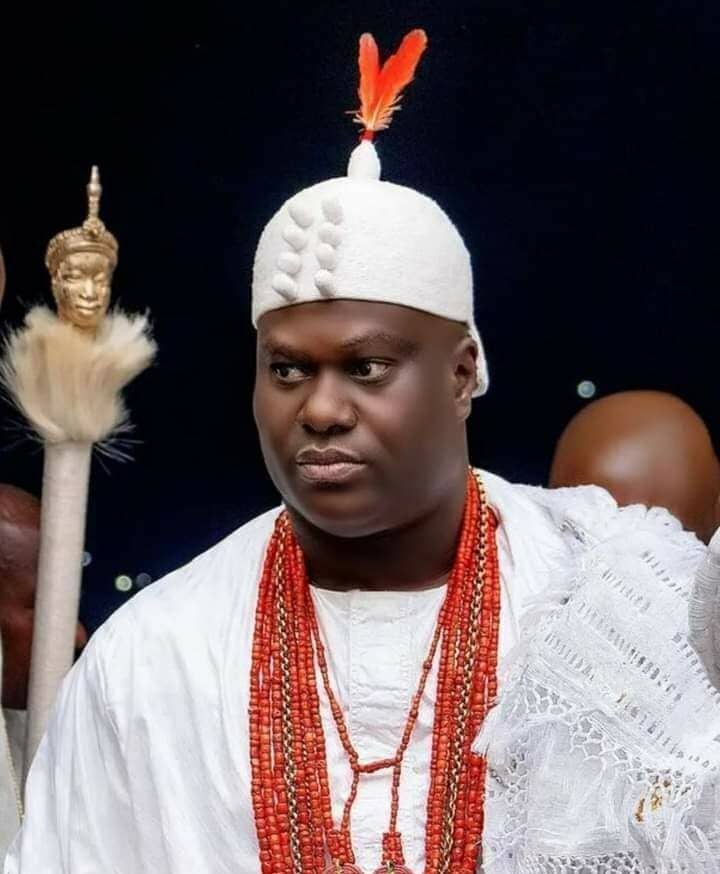
Nigeria’s Senate is currently debating a bill to permanently crown the Sultan of Sokoto and the Ooni of Ife as co-leaders of the National Council of Traditional Rulers. If passed, the Sultan would hold authority over all tribal chiefs in Northern Nigeria and the Middle Belt—impacting leaders representing the region’s 45 million Christians.
Senator Simon Bako Lalong, the bill’s Christian sponsor from Plateau State, argues it will promote national unity by elevating traditional rulers. The bill has already passed its second reading.
Why Critics Object
Ethnic leaders condemn the plan as “Fulanization” and “Islamisation,” arguing it grants disproportionate power to a minority Fulani leader over diverse ethnic groups. They insist imposing a Muslim leader on Christian-majority regions undermines religious freedom and risks inflaming sectarian tensions.
Mike Alidu Magaji, President of the Idoma Youths Forum, expressed deep concerns in an interview with TruthNigeria.
“This bill means the Sultan of Sokoto would, by law, become the leader over the Ochi’Idoma—our king—as well as the Attah of Igala and every other traditional ruler in Nigeria,” Magaji said.
“The Sultan is the spiritual leader of Muslims and Fulani. By proxy, this imposes him as leader over all Christians, all Idomas, all Tivs, all Bajju—everyone, whether we consent or not. This makes the Sultan leader of us all. That is utterly unacceptable,” he told TruthNigeria.
Magaji accused lawmakers of ignoring painful realities.
“Fulani militias attack our communities, seize our lands, rape our women, kidnap our people, and kill Idomas,” Magaji has said. “Now a senator wants to impose a Fulani leader over our kings? It’s a cruel insult, and we reject it completely. I’m not blaming the Sultan directly for the violence, but most perpetrators share his ethnicity,”
Forcing him as our national leader will deepen divisions, not heal them.” Magaji added a critical religious dimension:
“Secondly, the Sultan is the Sheikh and Imam of all Nigerian Muslims. Imposing him over the Ochi’Idoma—a Christian king ruling a people who are 90 percent Christian—isn’t just an insult; it’s a deliberate step toward Islamization.”
Middle Belt Forum: ‘We Were Never Conquered’
The Middle Belt Forum (MBF), representing over 45 million people, issued a sharp rejection in a press statement from spokesman Luka Binniyat. “The Tiv Nation was never conquered by the Sokoto Caliphate,” according to Binniyat, who cited rulers such as the Tor Tiv, the Aku Uka of Wukari, the Attah of Igala, and the Etsu Nupe as leaders of civilizations that stayed independent of Fulani rule.
The MBF further alleges the Sultan maintains ties with the controversial Miyetti Allah Cattle Breeders Association (MACBAN), whose leader, Bello Bodejo, was tried in 2024 for terrorism (although the charges were dropped). The MACBAN cattle cartel has been accused of links to violent Fulani herder militias. Elevating a Fulani monarch with religious authority and alleged militia connections, they argue, risks losing the public’s trust in state legitimacy.
Niger Delta: “A Dangerous Bill”
In the oil-rich south, the Ijaw National Congress (INC) called the bill “provocative and dehumanizing.” Vice Chair Chief Nengi James stated it “violates the rights of indigenous kings across tribes, religions, and cultures,” breaking the principle that no monarch should outrank another. For the Niger Delta, where disputes over oil revenue already fuel unrest, this bill risks reopening old wounds—akin to overlaying a contested resource map onto an ethnic hierarchy, a clear recipe for instability.
‘We Will Resist’
The Igbo Community Association (ICA) pledged to block the bill. Leaders Engr. Ikenna Ellis-Ezenekwe and Mazi Emmanuel Onah gave their opinion in Realnewsmagazine.net.
“The Sultan is a religious figure, not a king for all Nigerians,” they wrote. They stressed that the Igbo, Middle Belt, and South-South were never under the Sultan’s or Ooni’s authority. They demand rotational leadership or equal representation for Nigeria’s three largest ethnic blocs—Hausa, Yoruba, Igbo—mirroring global debates on proportional representation.
In a statement issued on July 28, 2025, and signed by its National Spokesperson, Mudiaga Ogboru, the Niger Delta Congress said the bill was designed to entrench a “lopsided power structure” that marginalizes other ethnic groups, particularly traditional institutions in the Niger Delta.
What Comes Next?
The bill now moves to the Senate Committee on Establishment and Public Service. Potential amendments could introduce rotational leadership or broader representation, aligning with Nigeria’s constitutional “federal character” principle. For now, the bill has united the Igbo, Middle Belt, and Niger Delta in rare solidarity.
Chief Nengi James captured the consensus sentiment: “No tribe or religion is superior. If Nigeria is to remain united, its laws must reflect that truth.”
Mike Odeh James is a conflict reporter for TruthNigeria.