
By Onibiyo Segun
Abuja, FCT, Nigeria – “What is happening in Nigeria is not just a Nigerian problem, it is the slow unraveling of civilization,” said Reverend Michael Obaje, a faith-based analyst in Kogi State, in an interview with a TruthNigeria reporter. “If the global community ignores the massacre of Christians here, it will find the same ideology on the streets of London, Berlin, and Washington.”
A Historic Museum Visit and Civilization’s Test
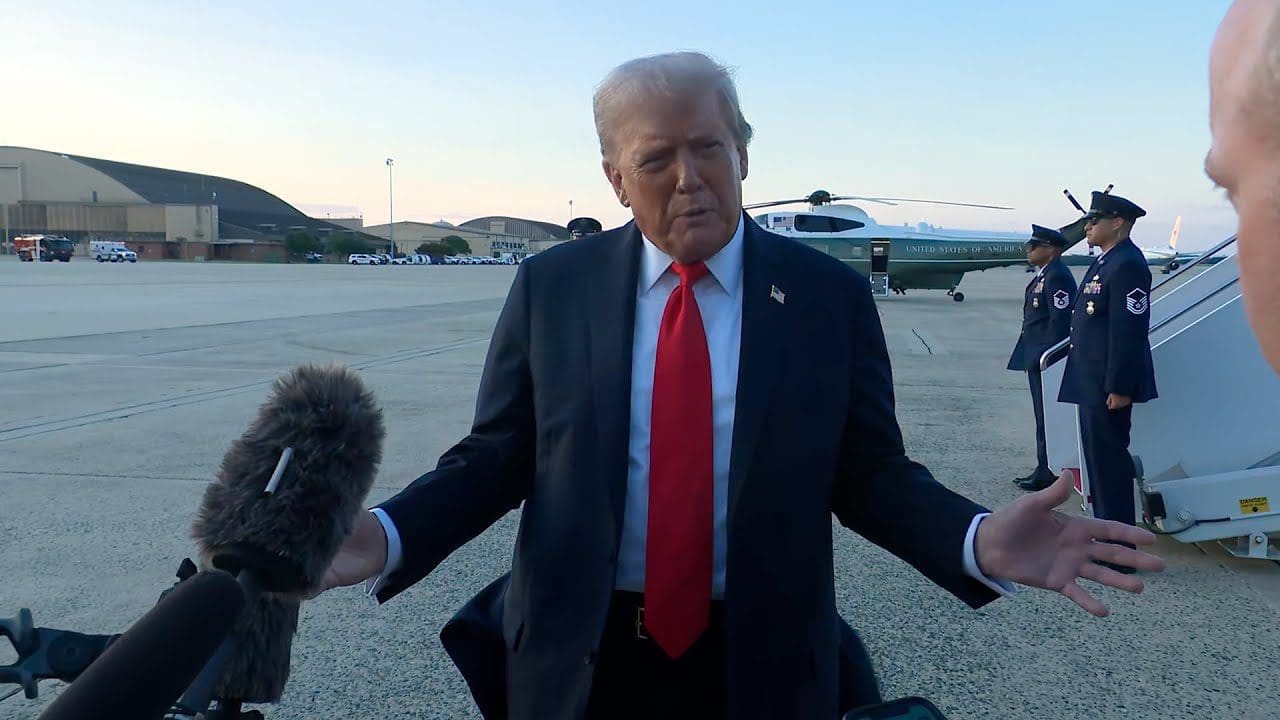
As the U.S. president prepares to speak at the Museum of the Bible about religious liberty, the symbolism is sharp. Religious freedom cannot be preserved by speeches in Washington while it collapses in Jos. Civilization is defended not only in museums but in the villages where faith is under fire.
Europe’s ISIS Problem Shows the Stakes
When thousands of Europeans left Paris, Brussels, and London in 2015 to join ISIS in Mosul, it shocked Western intelligence services. Yet the draw of the caliphate revealed that Islamist extremism was not an imported threat but one incubating inside Western cities.
Nigeria’s Middle Belt: Today’s Test, Tomorrow’s Warning
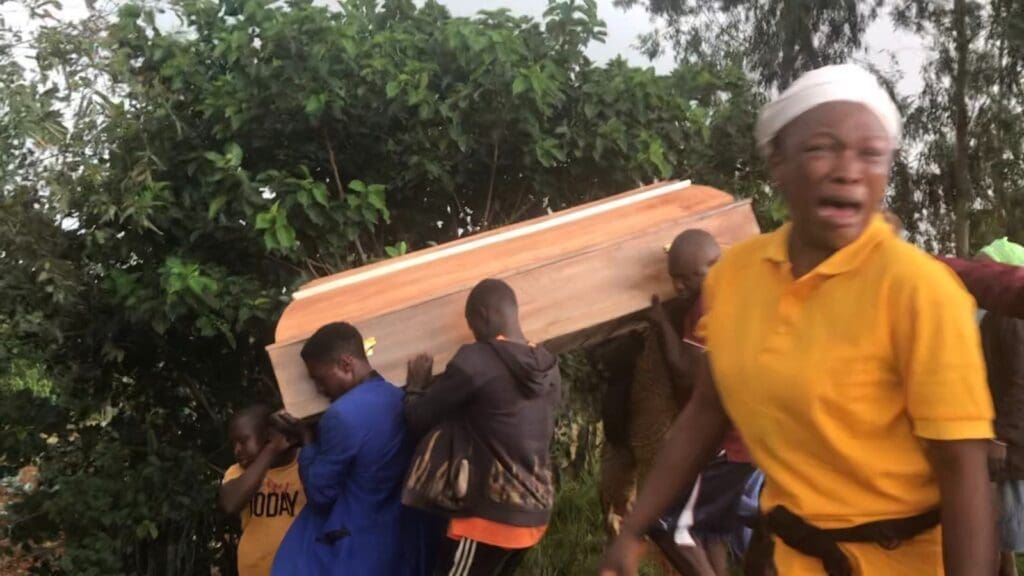
TruthNigeria’s investigation in the Middle Belt shows Fulani militias systematically targeting Christian farmers, burning villages, and massacring civilians. Over 20,000 have died since 2009, and international groups now warn of ethnic cleansing. For Western audiences, the message is clear: when extremists succeed in Nigeria, it emboldens their networks globally.
“These atrocities are part of a deliberate attempt to erase Christianity from central Nigeria,” said Dr. Gloria Puldu of the Leah Foundation, speaking at a TruthNigeria press conference. “If Western nations downplay this violence, they will face the same tactics in their own communities.”
Britain and the Death of Christian Free Speech
For over two decades, British Christians have reported intimidation and censorship in major cities where Islamist ideology has grown influential. From pastors arrested for sermons to students disciplined for faith-based speech, Britain shows how freedoms can erode without violence. This slow creep mirrors what Nigeria, particularly, Christians experiences at gunpoint.
Why America Should Care
For the United States, Nigeria is not just another humanitarian crisis. It is Africa’s largest democracy, a key oil supplier, and a frontline state in the global war on terror. The fall of pluralism here would destabilize West Africa, drive refugee flows toward Europe, and create fertile ground for anti-Western terror recruitment.
Nigerian Thought Leaders, Global Lessons
Three Nigerian figures, two at the national level, one at the grassroots are sounding the alarm and offering powerful examples of resilience.
Rev. Dr. Gideon Para-Mallam, an evangelical leader from Plateau State and founder of the Para-Mallam Peace Foundation, has worked tirelessly for interfaith peace. In a visit to IDP camps, he described the crisis as a “humanitarian disaster” and urged an end to impunity. In his interview, he warned: “The West must understand what happens in Nigeria’s villages will one day test the strength of their cities.”
Rebecca Sharibu, mother of Leah Sharibu, the Christian schoolgirl kidnapped by Boko Haram in 2018 for refusing to renounce her faith, has become a potent voice for human rights. She publicly pleaded with Nigerian authorities, but her cry resonates far beyond Abuja. “If America and Europe believe in human rights, they must not abandon us,” she said. “Leah is not just my daughter, she stands for freedom itself.”
Evangelist Buba Adamu, a Fulani convert to Christianity, preaches the gospel in the hostile terrain of the Sahel. Surrounded by dozens of mosques and threatened with death for planting a church, he refuses to abandon his mission. “They vowed to kill me for preaching Christ,” he told TruthNigeria. “But I cannot be silent.” His courage is a warning and an example for Western societies wrestling with how to confront radical ideologies without losing liberty.
Civilization’s Western Front
For Western readers, the parallels are unavoidable:
In Nigeria, Christians are slaughtered in villages. In Britain, pastors face handcuffs for preaching biblical values.
In Nigeria, terrorists torch churches. In France, ISIS-trained radicals attacked Bataclan concertgoers.
In Nigeria, rural displacement fuels refugee flows. In America, immigration debates revolve around refugees from failing states.
The same ideological virus, if unchecked, will spread from Maiduguri to Manchester, from Plateau, Kaduna, Nassarawa, Kogi to Paris.
A Call for Western Action
“Civilization does not collapse all at once,” Reverend Obaje concluded. “It unravels when the powerful look away from the weak. Nigeria’s Christians are the canary in the coal mine of global liberty. If lawmakers in Washington and Brussels refuse to act now, tomorrow’s churches in America and Europe will not echo with hymns but with silence.”
He urged Western governments to move beyond rhetoric and adopt binding resolutions that:
- condition foreign aid on the protection of religious minorities,
- designate Fulani Ethnic Militia and Boko Haram factions as terrorist organizations, and create an international tribunal to prosecute crimes against humanity in Nigeria.
For Obaje, these measures are not charity but survival. “Congress and the European Parliaments must act decisively,” he said. “The defense of persecuted Christians abroad is the defense of freedom at home. The line between Jos and Jerusalem, between Abuja and Amsterdam, is thinner than many imagine.”
Onibiyo Segun reports on terrorism and conflicts for TruthNigeria.