
By Onibiyo Segun
Egbe, Kogi State, Nigeria – Tragedy struck on September 16, 2025, in Egbe, Yagba West County, when Mr. Sunday Ajawe, a Christian farmer, was brutally attacked on his farmland. Reports indicate he was stabbed multiple times by Fulani ethnic militia terrorists while tending his crops.
This attack followed the arrest of suspects linked to earlier raids on Eruku, Egbe, and Isanlu-Isin, Kwara State, North-Central Nigeria.
TruthNigeria has reported waves of violence in Yagba West County. Earlier this week, Fulani ethnic militia terrorists struck Isanlu-Isin, destroying homes and displacing dozens. Local guards said both communities remain under constant threat. Sunday Ajawe’s ordeal will be understood as a piece in the tragic mosaic of suffering known to TruthNigeria reporters at Nigeria’s Christian genocide.
Sunday Ajawe’s Ordeal
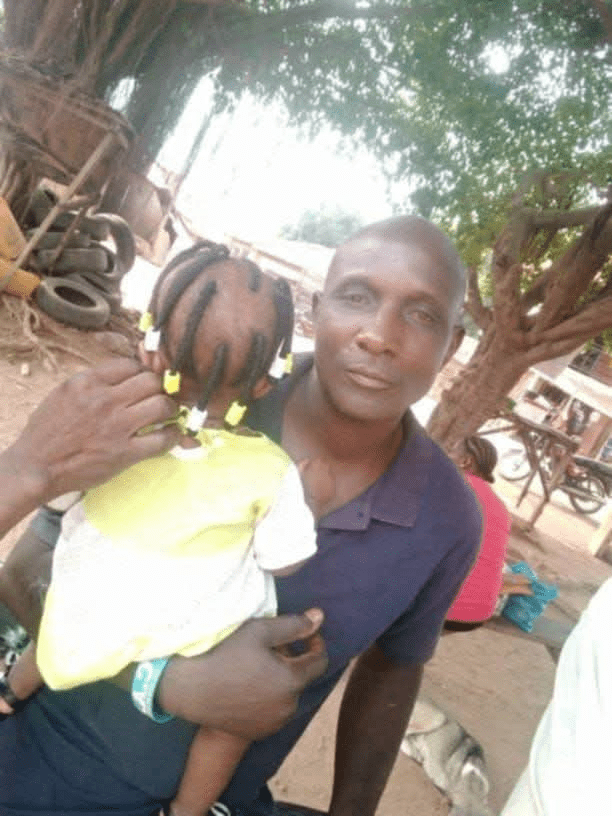
“They were Fulani ethnic militia terrorists. They stormed the farm, three of them with cutlasses,” said Sunday Ajawe, his voice weak and trembling.
“Three of them cornered me on my cassava farm. They slashed at my arms and chest. I tried to block the blades, but I fell into the dirt. I felt blood pouring out. They left me for dead.”
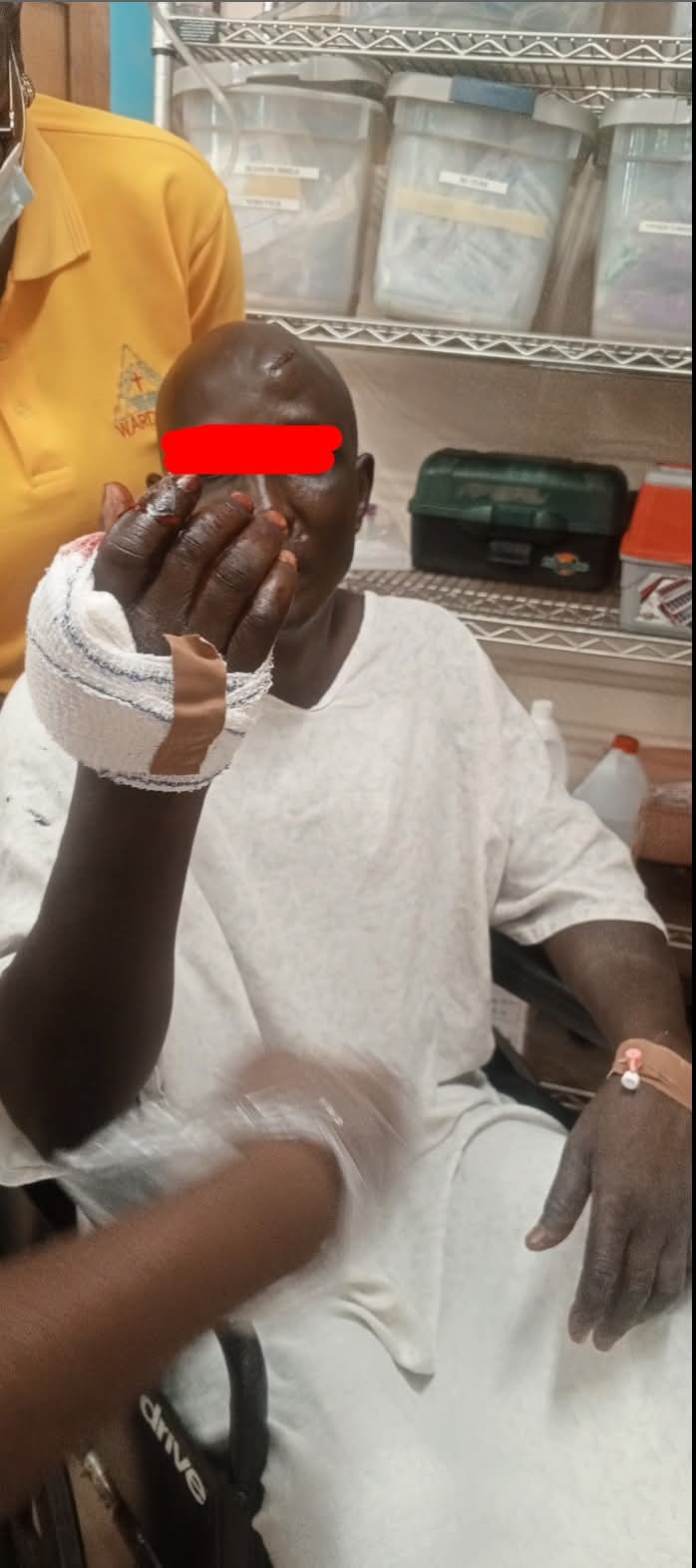
On his hospital bed, Ajawe’s right arm was tightly bandaged, while deep cuts lined his chest and back. His breathing was shallow, but his eyes showed defiance.
“I thought it was my last day. I prayed to God while they kept striking. If the community guards hadn’t found me, I would have been buried today,” he said.
His wife, Esther Ajawe, sat by his bedside clutching his bloodied shirt. “I thought I had lost my husband. When they carried him in, I screamed. He is alive, but our lives will never be the same,” she told TruthNigeria in a sobbing phone interview.
Dr. Michael Ojo, attending physician at Egbe General Hospital, said: “The farmer suffered multiple lacerations and heavy blood loss. He was lucky. If he had arrived ten minutes later, survival would have been unlikely.”
The attack came only hours after the community was mourning earlier violence. Fulani ethnic militia terrorists had invaded Egbe, killing six residents, including policemen and community guards. Ten others died in scattered ambushes before dawn.
“We cannot remain silent while our people are slaughtered in their farms,” said youth leader Samson Emmanuel, who called for protests.
“Our last protest lasted two days before the government sent emissaries. This time we will not leave the streets until action is taken.”
His Excellency, Usman Ododo, governor of Kogi State visited Egbe after the attacks, pledging government support.
“We will not fold our arms while criminal elements terrorize our people,” Ododo said during his condolence visit. “My administration remains fully committed to tackling insecurity across every corner of Kogi State.”
The Egbe attack also recalls the killing of Babangida Kachalla, a notorious terrorist commander, in nearby Kogi forests. Military forces and community guards neutralized him after he allegedly masterminded massacres in August.
Security experts warn the Egbe violence highlights deep failures in Nigeria’s counterterrorism strategy.
“The recurring attacks by Fulani militias show that state security forces cannot secure rural communities,” said Dr. Richard Akande, a defense analyst. “The government’s reactionary approach leaves villagers exposed and vulnerable.”
Abuja-based consultant Hauwa Danladi added the violence carries dangerous ethnic overtones.
“When Christian farmers are repeatedly targeted, it fosters religious divisions,” she said. “This is not just banditry. It is terrorism threatening Nigeria’s fragile unity.”
Community guard commander Matthew Olorunfemi said his men were overstretched.
“We caught some suspects last week, but we lack arms to stand against militias with military training,” he said. “If the state doesn’t reinforce us, we will keep burying villagers.”
A guard who rescued Ajawe recalled finding him unconscious in a pool of blood.
“He was bleeding heavily from his shoulder and chest,” said Tunde Alabi. “We tied cloth around his wounds and rushed him to the hospital on a motorcycle.”
The spate of violence has left Egbe residents shaken. Schools remain closed, and farmers are avoiding their fields despite harvest season. Community leaders warn hunger could follow if farms remain abandoned.
Local churches have organized prayer vigils, calling for divine protection. But residents insist prayers must be backed by security action.
“People want to see soldiers patrolling the forests, but we must also pray. God answers,” said Reverend Omolabi Zacchaeus of ECWA Church, Egbe.
The federal government has yet to make a strong statement on the killings. Analysts argue that silence at the national level emboldens terrorists to strike again.
“The pattern is familiar,” said Akande. “Communities protest, governors visit, promises are made, but little changes until the next attack.”
The Egbe tragedy underscores a widening crisis in Nigeria’s Northcentral region. Without stronger security presence, experts warn, rural farmers risk extinction from their ancestral lands.
As protests loom, Egbe’s fate may depend on whether promises of protection finally turn into action.
For Esther Ajawe, the battle is already personal. “My husband may survive,” she said, sobbing. “But every family in Egbe is wounded. We all live in fear, waiting for the next knock of death.”
Onibiyo Segun reports on conflicts and terrorism for TruthNigeria.