
Nigerian Clerics Say U.S. Intervention Needed as Killings Persist
By Ezinwanne Onwuka and Mike Odeh James
(Abuja) Senator Ted Cruz (R-Texas) has introduced a landmark bill targeting Nigerian officials accused of aiding Christian persecution, a move warmly welcomed by Nigerian clerics.
On Tuesday, September 9, 2025, Cruz introduced the Nigeria Religious Freedom Accountability Act of 2025, legislation that would penalize Nigerian officials who facilitate violence against Christians and other religious minorities—whether through Islamist jihadist groups or by enforcing Sharia and blasphemy laws.
“It is long past time to impose real costs on the Nigerian officials who facilitate these activities,” Cruz said, describing Nigerian Christians as being “targeted and executed for their faith by Islamist terrorist groups.”
Why the Bill?
Nigeria has endured more than two decades of religious and ethnic violence in its Northern and Middle Belt regions.
Communities in Benue, Plateau, Nasarawa, Taraba, and Southern Kaduna have been devastated by Fulani ethnic militias, with thousands killed and churches destroyed.
Speaking to TruthNigeria, David Onyilokwu Idah, Director of the International Human Rights Commission Abuja, said the legislation is urgent.
“Nigeria has remained the deadliest country in the world for Christians, according to Open Doors. Between October 2022 and September 2023, at least 4,118 Christians were killed here—82 percent of all Christians murdered globally in that period,” Idah said.
He added that in 2024, another 3,100 Christians were killed, with thousands kidnapped and churches attacked (Open Doors, cited by Catholic News Agency).
According to Idah, “These statistics underscore the persistent insecurity and targeted persecution facing Christian communities, particularly in Nigeria’s north and Middle Belt regions.”
Government Denials
Despite mounting figures, Nigeria’s federal government rejects claims of Christian persecution.
In March 2025, the Ministry of Foreign Affairs insisted insecurity “has no religious coloration,” dismissing U.S. reports of systematic killings as “misleading” attempts to tarnish the country’s image.
Officials frequently attribute Middle Belt violence to farmers-herders clashes, banditry, or communal conflict.
President Bola Tinubu’s spokesman, Bayo Onanuga, described the killings vaguely as “reprisal attacks,” with President Tinubu urging political leaders and community leaders in conflict areas to “stop fueling the crisis through unguarded utterances and statements that could further inflame tensions.”
Legal and Social Pressures
Beyond militia attacks, Christians face systemic discrimination under Sharia laws enforced in 12 northern states. Blasphemy provisions criminalize speech against Islam and have fueled mob violence.
One of the most notorious cases was that of Deborah Emmanuel, a Christian student in Sokoto who was lynched in 2022 after a WhatsApp post thanking Jesus for her academic success. She was accused of insulting Islam, then stoned and burned alive by a mob.
In another case documented by TruthNigeria, 16 Christian orphans in Kano were abducted, renamed, and converted to Islam by state officials.
Nigerian Leaders “Not Doing Enough”
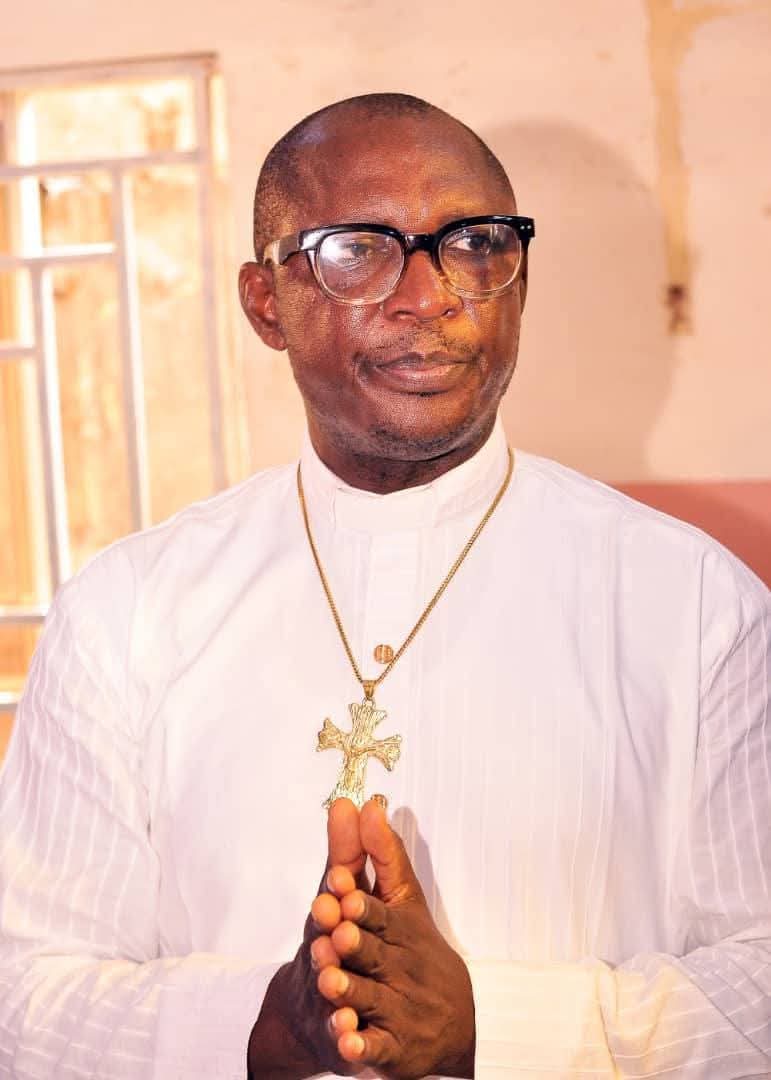
Rev. John Joseph Hayab, President of the Christian Association of Nigeria (CAN) for the 19 Northern States, welcomed Cruz’s bill, arguing Nigerian leaders have “not done enough to stop the killings.”
“How can you call the slaughter of pregnant women and children in their sleep a farmer–herder conflict?” Hayab asked.
He said extremist ideology drives much of the violence: “Many clerics preach that killing Christians is heroic, yet they are quick to take offense when Christians call it persecution. Religious extremism is the biggest driver of conflict, followed by poverty, ignorance, and poor governance.”
Hayab urged the government to treat Christians with dignity in education, employment, and the right to life. He also called on Washington and its allies to impose visa bans on officials under whose watch the atrocities unfold.
‘A Plan to Reduce Christian Population‘
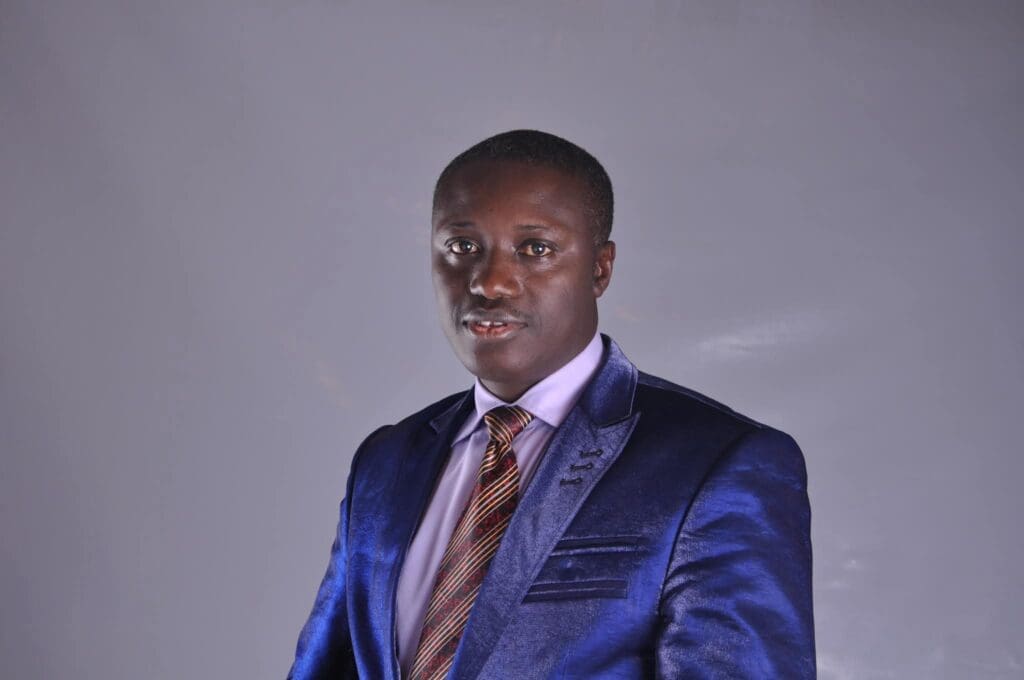
Dr. Sam Albert, the general overseer of Kings Worship Chapel and Ministry International, Sabo Kaduna, said the Middle Belt is under siege precisely because of its Christian majority.
“What is happening is ethnic and religious cleansing, not a farmers-herders clash,” he told TruthNigeria.
“Over 70 percent of the Middle Belt is Christian, and extremists, sometimes joined by fighters from neighboring countries, attack to decimate communities and reduce the Christian population. The Buhari administration was complicit by downplaying the crisis as ‘clashes,’ while Tinubu is making efforts but faces sabotage from within.”
What the Cruz Bill Proposes
Senator Cruz’s bill seeks to:
- Impose targeted U.S. sanctions on Nigerian officials accused of enabling jihadist or Islamist violence against Christians and other minorities;
- Sanction officials who enforce Sharia and blasphemy laws;
- Mandate the U.S. Secretary of State to designate Nigeria a Country of Particular Concern (CPC) for religious freedom;
- Keep Boko Haram and ISIS–West Africa on the list of Entities of Particular Concern.
The bill comes seven months after a Congressional Subcommittee on Africa reached consensus on labeling Nigeria a CPC as a form of reputational sanction for the atrocities committed against Christians.
At the hearing titled “Conflict and Persecution in Nigeria: The Case for a CPC Designation,” four experts testified in support: Nina Shea of the Hudson Institute, Tony Perkins of the U.S. Commission on International Religious Freedom, Bishop Wilfred Anagbe of Makurdi Diocese, and Oge Onubogu of the Wilson Center.
Dr. Albert welcomed the bill, saying “If Senator Cruz’s bill becomes law, many politicians, military officers, and lawmakers who enable persecution will face sanctions abroad. That kind of accountability can reduce persecution in Nigeria and across West Africa.”
Ezinwanne Onwuka and Mike Odeh James are conflict reporters for TruthNigeria.