
By Ebere Inyama
Faith leaders and human rights advocates are accusing the Nigerian government of “fueling violence against its citizens by failing to maintain neutrality in religious matters”
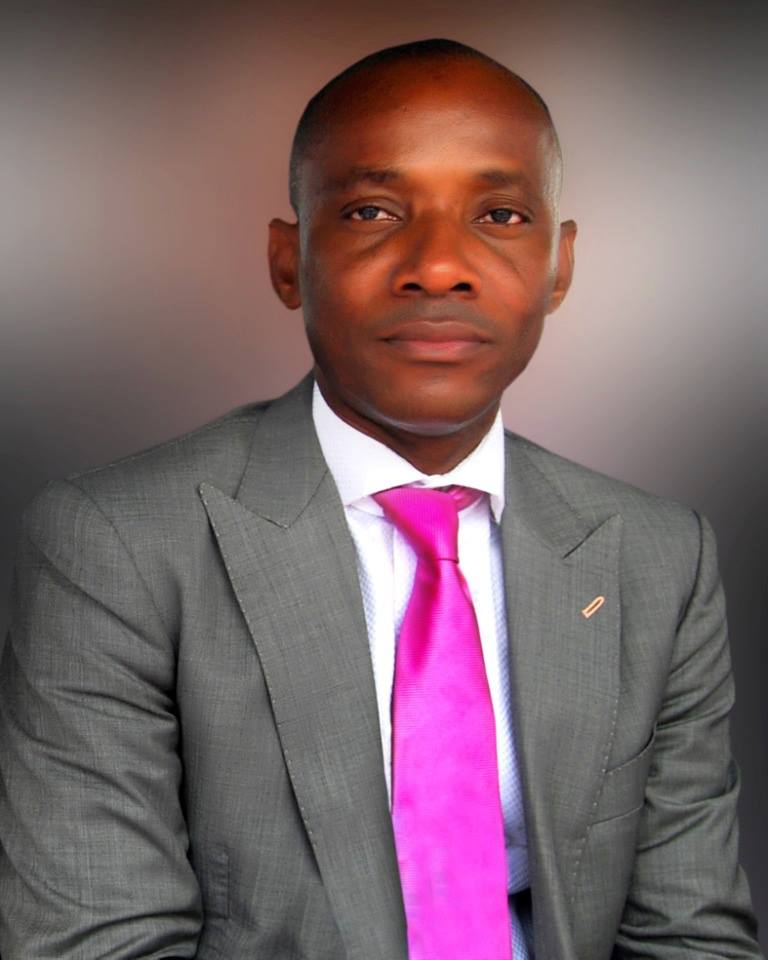
“The challenge is that the Nigerian state appears so beholden to religious and political interests that it struggles to protect its citizens impartially”, said the Director of the Abuja School of Social and Political Thoughts, Professor Sam Amadi at a meeting organized by the Christian Awareness Initiative of Nigeria (CHAIN) in Abuja on 22 October, 2025.
“Religion now influences the state, rather than the state remaining autonomous and neutral and when a state allows religion to dominate its operations, it risks infringing on the religious freedom of some citizens, whether Christian, Muslim, or atheist,” he added.
Speaking in support of the statement made by Professor Amadi, the C.E.O of Christian Awareness Initiative of Nigeria (CHAIN), Reverend Joseph Hayab, called for justice for the victims of religious violence in Nigeria.
“When victims and their families see that those who attack others are being prosecuted, confidence in the system will be restored,” said Hayab.
“Until the Nigerian state is structured to serve every citizen without bias, genuine freedom of religion or belief will remain a challenge,” he added.
Veterans, Journalists call for sanctions on Nigeria
“I am absolutely in support of the American Congress seeking for the president of the U.S to declare Nigeria as a Country of particular Concern,” said veteran journalist Everest Ezihe, to TruthNigeria.
“This is a country where we believe in freedom of association and freedom of worship but in reality, it is not being practiced”, he continued. “In Bayero University in Kano state, Christians are made to pay higher fees than the Moslems and this is quite unfair.
“There is a need to address this injustice and man’s inhumanity against man in the name of religion”, he added.
In August, 2025, a Diaspora group, the American Veterans of Igbo Descent (AVID), petitioned the U.S. President, Donald Trump, to impose Global Magnitsky sanctions on several Nigerian judges and former Attorney General Abubakar Malami.
AVID maintained that sanctions under the Global Magnitsky Act would hold accountable those who “enabled persecution” and send a global message that rights abuses carry consequences.
Fear of sanctions: Catholic bishop pleads with the U.S government
“Designating my country, Nigeria, a Country of Concern will only increase tensions, sow doubt, open windows of suspicion and fear and simply allow the criminals and perpetrators of violence to exploit”, said the Catholic bishop of the Sokoto diocese, Bishop Matthew Kukah on Tuesday 21 October, 2025 at the launch of the Aid to the Church in Need (ACIN) 2025 report on religious freedom in the world, held at the Augustinianum Hall in Vatican City.
“I believe that the Obama and Biden administrations were complicit in the way they handled the fight against Boko Haram under the presidency of Goodluck Jonathan”, he continued.
“The country was already making progress but the decision to block Nigeria’s access to the required weapons to end this violence by the Obama administration and their drive to impose President Buhari on Nigeria pushed back this fight.
“I therefore appeal to President Donald Trump, who is already working hard to show that a peaceful world is possible with his historic achievement in the Middle East, to lift the ban and allow Nigeria access to the military tools it requires to free our country from the stranglehold of these evil men,” he added.
A frantic move to change the narrative
In a desperate move to refute the widespread reports of genocide against Christians in Nigeria, the Federal Government of Nigeria has called on communication professionals and public relations practitioners to deploy communication strategies in countering the narrative of “genocide against Christians being peddled by some foreign interests.”
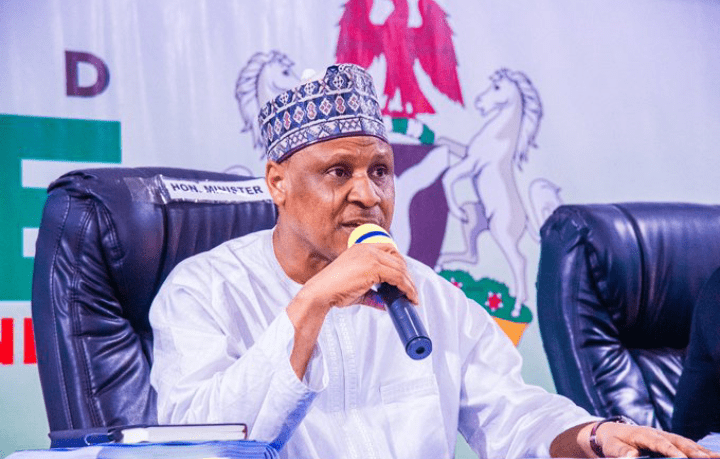
“I therefore urge us to use the instruments of public relations, crafted in truth and facts, to vehemently reject these despicable single narratives about Nigeria,” said Minister of Information and National Orientation, Mohammed Idris, at the National Unveiling of the World Public Relations Forum (WPRF 2026) held on Monday 20 October, 2025 in Abuja.
“We must come to terms with existential reputational threats to our national brand, in which external purveyors of untruth are mischaracterizing our nation as a destination for a so-called persecution of people based on their faith”, Idris added.
Meanwhile, top government officials, including federal lawmakers as well as senior military and security agency heads are reportedly preparing to travel to Washington D.C next week to engage the Congress over allegations of genocide against the Christian community in Nigeria.
The decision by the Nigerian government to send a delegation to the U.S Congress follows a motion introduced by Senator Ali Ndume which urged the United States to refrain from sanctioning Nigeria over the reports of Christian genocide in the country.
Earlier in September, 2025, U.S Senator Ted Cruz introduced what he called the Nigeria Religious Freedom Accountability Act of 2025, which, he said aims to hold officials who “facilitate Islamic Jihadist violence and the imposition of blasphemy laws” accountable.
The bill also seeks to designate Nigeria as a “country of particular concern” and Boko Haram as well as its splinter faction, the ISIL (ISIS) affiliate in West Africa Province (ISWAP), as “entities of particular concern”.
A mounting death toll
“Since 29 May 2023, at least 10,217 people have been killed in attacks by gunmen in Benue, Edo, Katsina, Kebbi, Plateau Sokoto and Zamfara state”, reported Amnesty International on its website.
“Hundreds of people have been killed in rural areas where, our research since 2020 shows, a total absence of governance has given gunmen and criminal groups a free hand to commit atrocities”, the report continued.
“New armed groups have emerged including Lakurawa in Sokoto and Kebbi state, and Mamuda in Kwara state, while hundreds of villages have been sacked by gunmen in Benue, Borno, Katsina, Sokoto, Plateau and Zamfara”, the report added.
Ebere Inyama reports on conflict for TruthNigeria.