
By Onibiyo Segun
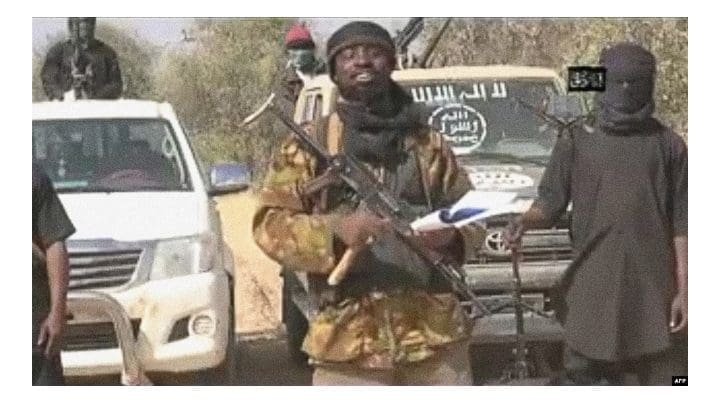
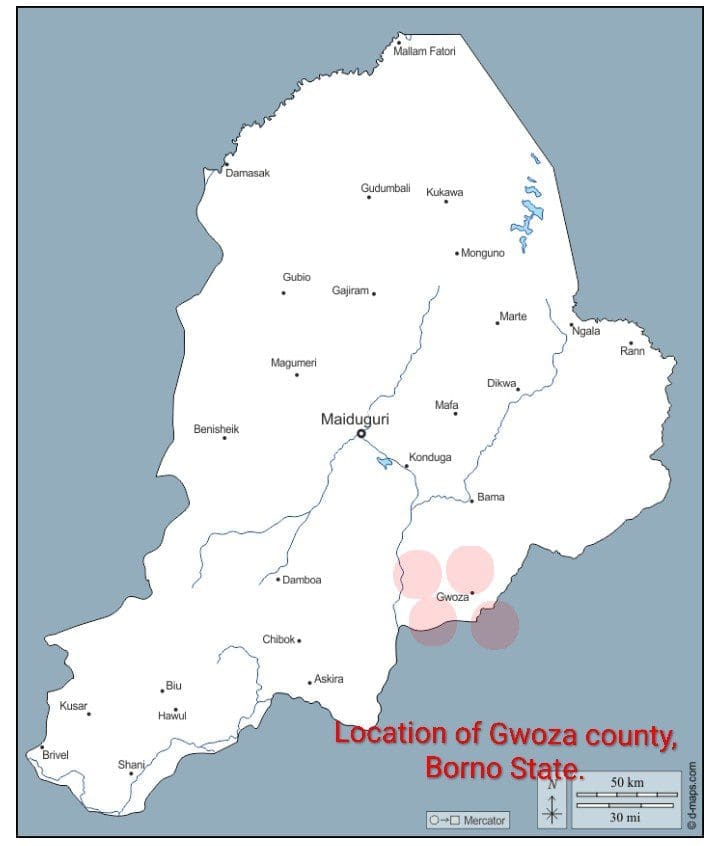
Kirawa, Borno State — Boko Haram terrorists, riding on motorcycles and pickup trucks, stormed the border town in Gwoza County, Northeast Borno, firing into the air as residents scattered in panic.
Within minutes, the palace walls—symbols that had stood for generations as guardians of tradition and history—were engulfed in fire. District Head Alhaji Abdulrahman Abubakar fled under armed escort, forced to abandon the throne passed down through his forefathers.
“I saw His Highness running barefoot with only a wrapper tied around his waist,” said a resident quoted by Daily Trust, who escaped across the Cameroon border with dozens of others. “If a king can’t stay in his own house, then none of us are safe.”
Across Northern Nigeria, palaces are more than brick and mortar. They serve as customary courts, conflict-resolution centers, and sanctuaries in times of crisis. When insurgents burn them, they are not merely waging war on buildings; they are attacking identity, memory, and the very soul of a people.
Security experts say the symbolism is intentional. “When the palace falls, the people scatter,” explained Dr. Kabiru Adamu, a renowned security analyst with Beacon Consulting. “Insurgents understand symbolism. They know that burning a palace fractures civilian confidence far more than just killing a few people.”
Bulama Bukarti, a senior fellow at the Tony Blair Institute, agrees. “They don’t just fight soldiers; they fight meaning. By sacking monarchs, they suggest that neither the state nor culture can protect you. That message is more powerful than bullets,” he told TruthNigeria.
Eyewitness Accounts
In a telephone interview with TruthNigeria, Bawa Alkali, a Sarki (chief) from Kirawa, described the chaos of that night:
“We heard the first shots from the eastern gate. They were chanting ‘Allahu Akbar’ and firing into the air. We thought they were soldiers at first, until they started setting fire to houses. The attack has the footprint of Boko Haram. They went straight for the palace. They filmed themselves burning it. They wanted us to see that no authority remains here except theirs.”
Another witness, Bukar, a palace guard, added, “The monarch’s guards tried to resist, but their guns were no match for the terrorists. Everyone ran. Even the dogs stopped barking. Only the fire was making noise.”
A 30-second video, believed to have been recorded by the attackers and circulated on Telegram and WhatsApp, shows armed men laughing as they kicked down palace doors and set the courtyard ablaze. One voice can be heard yelling in Kanuri: “Your king has fled! This land belongs to the soldiers of Allah!”
A Deepening Crisis
The flight of a traditional ruler is not just a personal displacement—it is a psychological earthquake. For centuries, traditional leaders in Borno have stood firm even in wartime. Now, under the assault of asymmetric terror, they are becoming refugees alongside their people.
This is not an isolated case. Borno has seen multiple palace attacks over the years. In 2023, ISWAP militants razed the home of a ward head in Kukawa, accusing him of collaborating with the army. Similar invasions have occurred in Yobe and Adamawa, where militants use palace raids to collect “taxes” under threat of arson. From Zamfara to Benue, the palace is no longer sacred.
The Nigerian military issued a brief statement claiming that forces had been “mobilized” to the area. But residents insist soldiers arrived hours after the attack, when most homes were already reduced to ashes.
“We called the army as soon as we heard gunfire, but nobody came until morning,” said Abubakar Mhundi, a resident. “They only come after the dead are counted.”
Dr. Adamu argues the problem is systemic, “The military is overextended. They hold major roads but leave interior communities exposed. See the reports from Oke Odẹ in Ifelodun County, Kwara State. Boko Haram knows this and strikes where visibility is lowest.”
Fractured Trust
As of this writing, Alhaji Abdulrahman Abubakar is sheltering in Mubi, Adamawa State, awaiting security clearance to return. His palace stands in ruins; his people are scattered between Cameroon refugee camps and roadside settlements.
“In Kirawa today, children ask their parents why their king ran away,” said Issah Gobir, a public analyst based in Yobe. “Elders have no answers. Some whisper that Boko Haram now owns the town, even if no flag flies there.”
Dr. Adamu concludes, “In the logic of terror, victory is not declared—it is believed. And when kings become fugitives, belief shifts.”
Onibiyo Segun reports on terrorism and conflicts for TruthNigeria.