
By Mike Odeh James
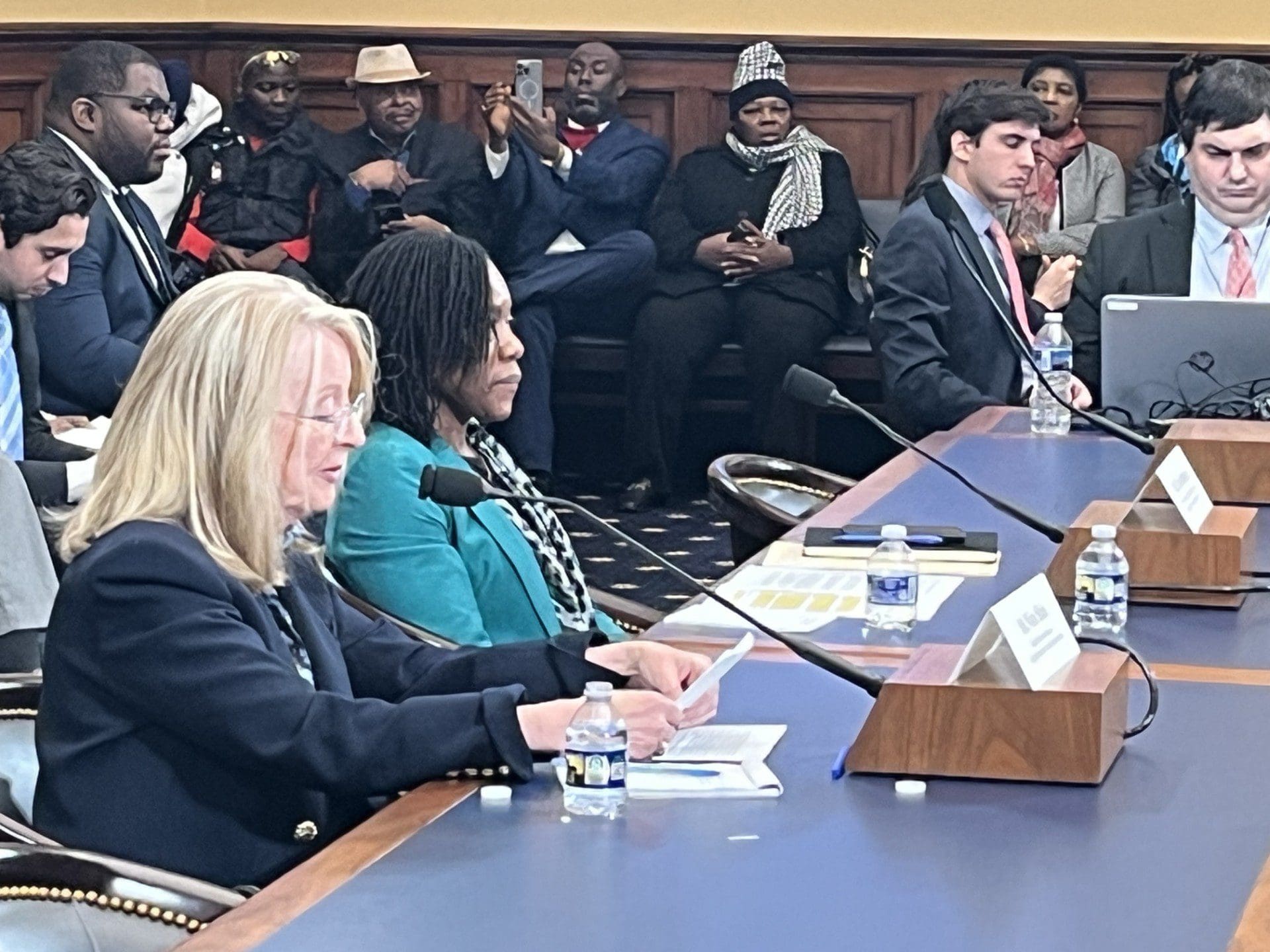
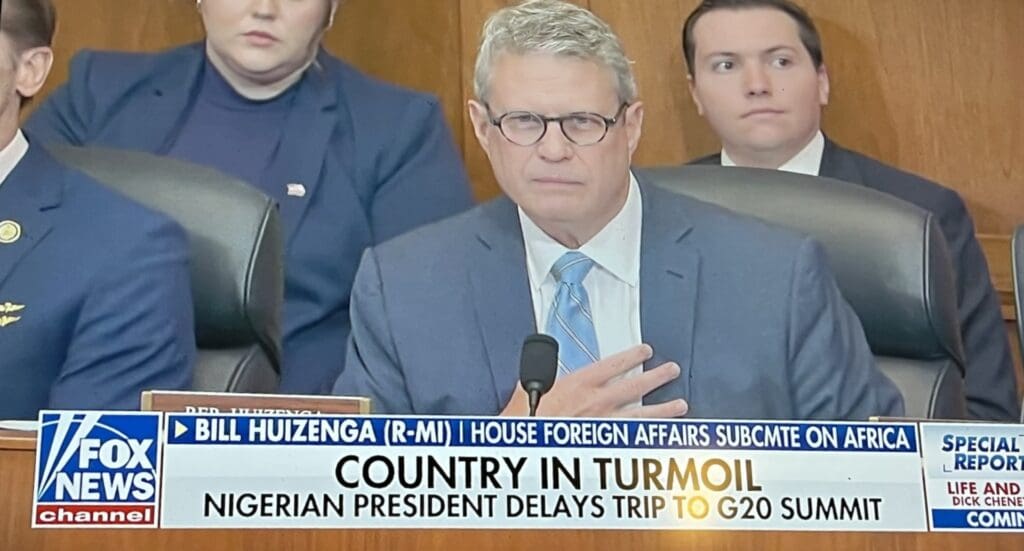
(Abuja) It seemed like a routine Africa Subcommittee hearing on Nigeria at first: polite but sharply divided along party lines – until an expert witness caught readers of TruthNigeria by surprise.
Nina Shea, top religious freedom expert at Washington’s Hudson Institute, repeatedly cited TruthNigeria’s field reports from Nigeria’s killing fields to document her brief for a dramatically revised U.S.- Nigeria alliance.
Shea, a regular contributor to National Review about Nigeria, cited TruthNigeria’s fact-studded account of the massacre at Yelewata in Benue State on June 13, and the same source for on-the-ground interviews with survivors, clergy, and local monitors who described TruthNigeria’s unprecedent exposure of mass ethnic cleansing in Nigeria’s remote Taraba State.
Describing the November 2025 attacks in Wukari Local Government Area of Taraba, she told lawmakers: “Catholic priest Father George Dogo told the outlet TruthNigeria… that between November 9 and 11, Fulani militants stormed through Taraba’s Wukari Local Government Area, indiscriminately killing 20 people and burning and damaging homes and churches.” Such an incident in the United States would have sparked wall-to-wall coverage for a week, whereas in Nigeria it has been barely noticed.
Shea recapitulated survivor statements gathered by TruthNigeria in the immediate aftermath of the killings—accounts rarely captured in mainstream international coverage.
Among the powerful anecdotes were TruthNigeria interviews with survivors still burying their dead the day after an attack.
Shea highlighted Christiana Joseph’s testimony: “As she was preparing to go to early morning Mass, a Fulani militia arrived on motorcycles and shot into her house… ‘They fired for about five minutes, shouting Allahu Akbar… I found my husband already dead.’”
Another TruthNigeria-sourced witness statement also entered the official record: “Survivor Samson Haruna… said, ‘My neighbors lost five family members between them. My house was riddled with bullets.’” These testimonies contradicted sanitized government narratives that describe attacks as “communal clashes” or “farmer-herder disputes.”
Naming the Militias — and Their Base of Operations
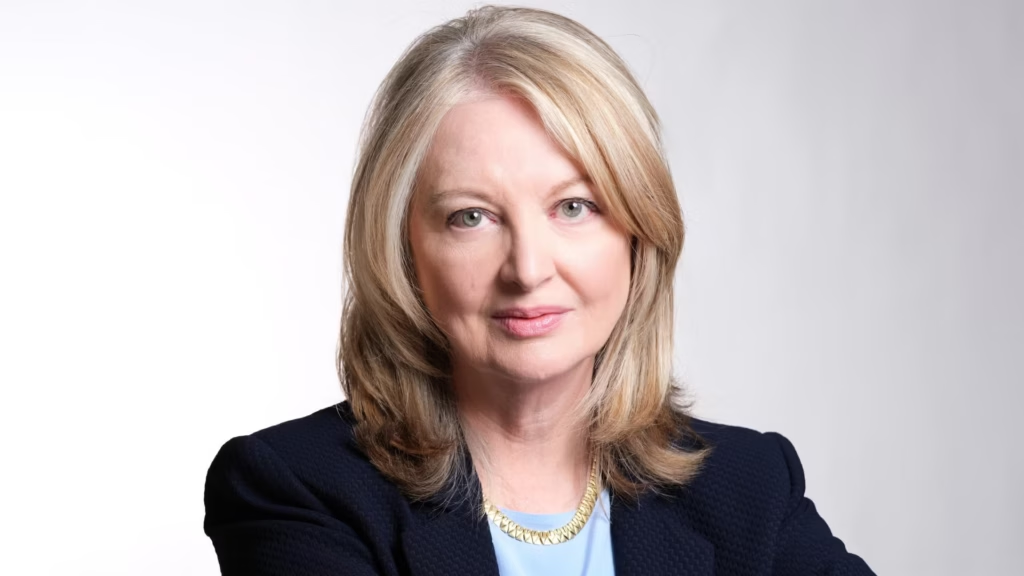
Crucially, Shea emphasized TruthNigeria’s documentation of the attackers’ command structure—details rarely available to U.S. policymakers. She told Congress: “According to the TruthNigeria report [about Taraba] the Fulani militants that attacked are led by warlord Alhaji Tukur, according to community leader Mallam Zubair Ussa,” Shea reported.
Continuing, she added: “According to another priest and Adakole Adah, who heads the local Adakson Security Consultancy, the Fulani militants plan and stage their attacks from an abandoned resort called Danjuma Farm. The government must clear out the terrorists from Danjuma Farms,” Shea said.
This kind of granular reporting—naming militia leaders, identifying staging grounds, recording local pleas—formed the foundation of Shea’s claim that Nigeria meets the Country of Particular Concern (CPC) threshold of egregious, ongoing, and systematic persecution.
Documenting Widespread Destruction of Christian Communities
Shea also cited broader TruthNigeria data documenting the destruction across Taraba State: “Wukari diocese Bishop Mark Maigida Nzukwein called the crisis ‘overwhelming’ and said that 335 of his churches have been destroyed and more than 300,000 Catholics and other churches displaced, beginning in 2015. These figures, compiled through partnerships with clergy, community monitors, and displacement camps, directly contradict Abuja’s claims that violence is isolated or diminishing,” Shea said, contradicting the Nigerian government’s systematic denial of a Christian Genocide on its watch.
Why Local Reporting Matters to the West
Shea’s dependence on TruthNigeria investigations signals a major shift in how Washington understands Nigeria’s religious persecution crisis. For years, U.S. policymakers leaned on diplomatic cables and international wire reports—sources often reflecting pro-government messaging or devoid of primary sources. TruthNigeria has provided to independent researchers what those sources lacked:
· Names of perpetrators.
· Direct survivor testimony.
· Identification of militia leaders’ terrorist bases.
· Verified casualty lists.
· Geolocated attack sites.
· Documentation of security failures.
As one Nigerian government officials in Abuja privately told TruthNigeria, this was “the granular evidence the U.S. Government was missing.”
Redesignating Nigeria
President Trump’s October 31 CPC redesignation is the most significant U.S. policy shift on Nigerian religious persecution in years. For the first time, the U.S. government officially acknowledged what independent Nigerian journalists have long documented: that Fulani militias are systematically targeting Christian communities, and that the Nigerian government has failed to stop them.
The CPC designation triggers mandatory policy reviews and potential sanctions. Shea’s testimony made clear that this decision was anchored not in partisan bias, but in on-the-ground evidence—much of it gathered at personal risk by Nigerian reporters.
Shea gave prescriptions to Abuja and to the White House:
· Disarm Fulani militias.
· Engage directly with Middle Belt governors.
· Neutralize known militia bases such as Danjuma Farms
· Hold perpetrators accountable for years of unprosecuted massacres.
Her testimony sends two unmistakable messages: To Nigeria’s government: The world is no longer buying the narrative of “farmer-herder clashes.” The evidence of targeted Christian persecution is now part of the official Congressional record. To Nigerian journalists Shea sent the message that their work is consequential—not just at home, but globally.
‘The World Must Know What Is Happening to Us’
As Father George Dogo told TruthNigeria after the Wukari massacres in Taraba —words now preserved in the U.S. Congressional record: “The world must know what is happening to us.”
TruthNigeria is an independent news platform founded by Iowan Film maker Judd Saul and covering governance, security, and human rights across Nigeria. This report is part of our ongoing coverage of religious persecution and communal violence in the Middle Belt.
Mike Odeh James is a Conflict Reporter for TruthNigeria and author of a 10-part investigative project documenting vast terrorist hostage holding camps in Nigeria.