
Kidnappers Alleged to be Fulani Ethnic Militia
By Onibiyo Segun
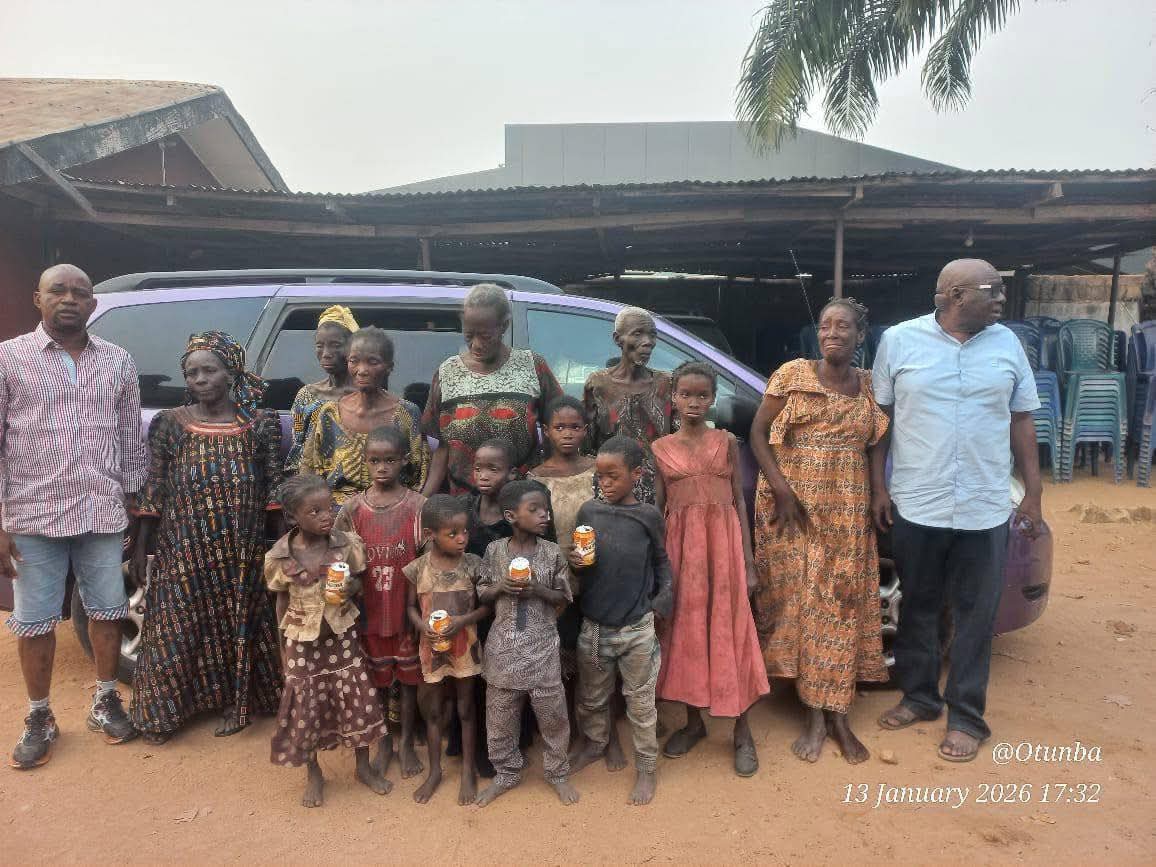
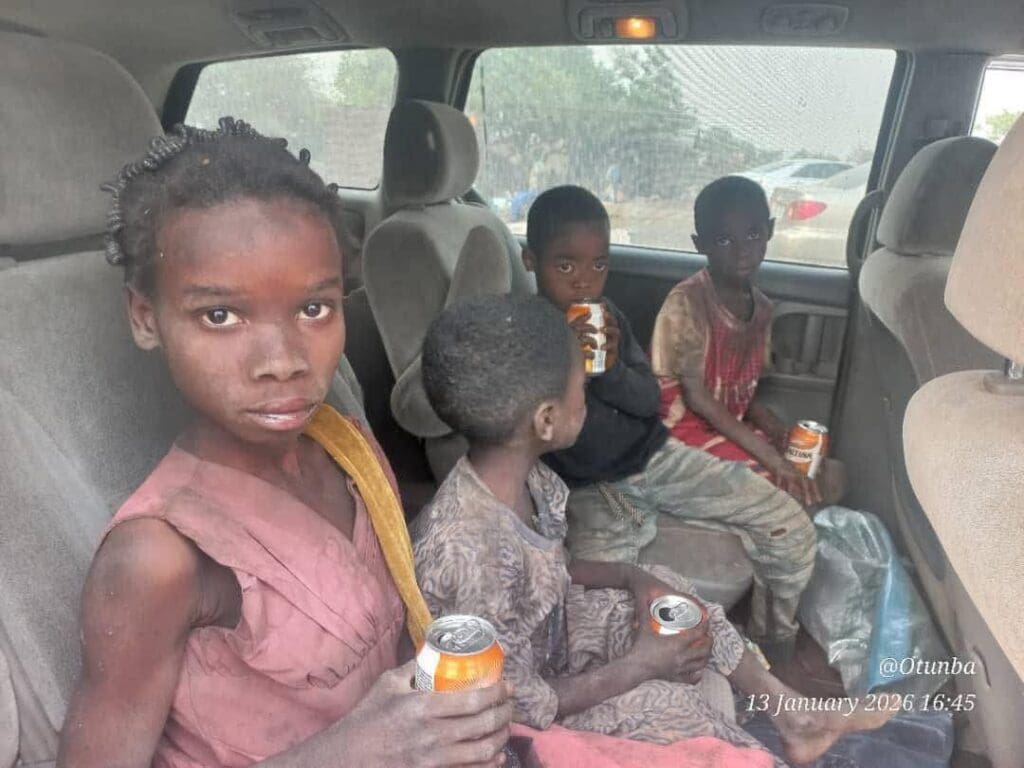
(Aiyetoro Kiri, Bunu county, Kogi State) Seventeen Christians abducted from a church in Aiyetoro Kiri, Bunu county, Kogi State have been released, TruthNigeria has learned. All show signs of torture for one month in a terrorist den which may be a mirror image of the infamous hostage holding camp in Kaduna’s Rijana Forest.
The release, secured through sustained negotiations and ransom payment led by a group called the Aiyetoro Kiri Bunu Development Association (AKBDA) and families of the victims, raises the total number of freed captives to 24, while at least 13 worshippers remain in captivity, community leaders confirmed to Egbe Mekun Media.
Aiyetoro Kiri Bunu sits deep inside Okunland, about 40 kilometers from Kabba, the nearest major town, and roughly 150 kilometers southwest of Lokoja, Kogi State’s capital in North Central of Nigeria.
The community is accessible only through narrow roads flanked by cassava farms, rocky outcrops, and dense savannah forest that stretches uninterrupted toward Kwara and Niger States in the North Central of Nigeria. Security analysts describe the area as part of a “forest belt of vulnerability,” where limited state presence allows armed groups to operate with ease.
Attack During Morning Worship
On Sunday, December 14, 2025, armed Fulani Ethnic Militia terrorists stormed the Evangelical Church Winning All (ECWA) during a morning worship service.
Witnesses said the gunmen emerged from the forest less than 500 meters behind the church, firing gunshots into the air to trigger panic.
Men, women, and elderly congregants were forced onto motorcycles, while others were marched barefoot through bush paths leading toward the Bunu–Kabba forest axis, a sparsely monitored corridor that links Kogi with parts of Kwara and Niger States in the North Central of Nigeria.
One worshipper was killed during the raid, residents said, while dozens were taken hostage.
Terror Network Identified
Security sources and community leaders identified the attackers as Fulani Ethnic Militia terrorists, operating within loosely coordinated kidnapping networks that have steadily expanded southward from Nigeria’s northwest and north-central regions.
Although no group formally claimed responsibility, analysts told TruthNigeria that the targeting of a church, the scale of the abduction, forest withdrawal, and prolonged ransom negotiations mirror the tactics of organized Fulani terror cells active across the Northcentral region of Nigeria.
“This was not random criminality,” said Colonel Hassan Adekeye (retired.), a former military intelligence officer.
“It shows planning, logistics, and familiarity with the forest terrain. That is the hallmark of established bandit-terror networks.” Colonel Hassan said.
Ransom Negotiations and Human Cost

Negotiations with the captors began soon after the attack. On January 1, 2026, seven abductees were released after families raised ₦15 million, approximately $10,500, to meet part of the ransom demand.
Only four of the seven were released alive. Two died in captivity, while another died after being rushed to hospital, according to community officials – losses that plunged the village into mourning, according to Sahara Reporters.
Breakthrough and Latest Releases
Negotiations continued quietly into mid-January. Three worshippers were freed on Monday, January 12, followed by the release of 14 more on Tuesday, January 13, 2026, according to Aiyetoro Kiri Bunu Development Association – AKBDA officials.
Families described selling livestock, farm produce, and personal belongings to raise funds.
“We sold everything we could,” said Daniel Ajayi, whose sister was among those freed.
“Seeing her walk out of the forest alive was worth the sacrifice but we cannot abandon those still inside.”
Another relative, Mrs. Comfort Ojo, said the released victims were weak and traumatized after weeks in the bush.
“They still jump at loud sounds,” she said.
“This experience will stay with them forever.”
Government Reaction
The Kogi State Government confirmed the return of the abducted Christians.
Commissioner for Information Kingsley Fanwo said the government was collaborating with the police, military, and local vigilantes to rescue the remaining captives and prevent further attacks.
However, residents told TruthNigeria that the state government was not directly involved in ransom negotiations, leaving families and community leaders to shoulder the burden.
“We raised additional 6 million Naira ($3,870) besides the first 15 million Naira ($9,680) initially paid to the terrorists to get our people out”, Ajayi Omolehin told TruthNigeria.
“We are expected to raise more money. I don’t know how much now, to free our remaining family members,”Omolehin said.
Experts Warn of Growing Middle Belt Crisis
Security experts say the attack highlights the rapid expansion of bandit-terror operations into Kogi State.
“Forest corridors linking Niger, Kwara, and Kogi in the North Central of Nigeria are now functioning as permanent kidnapping zones,” said Dr. Michelle Okoh, a Lagos-based security analyst, adding: “Without sustained military presence, these attacks will continue.”
She warned that faith communities are increasingly targeted due to predictable gathering times and minimal protection.
U.S. Military Support Context
The releases come as Nigeria receives renewed foreign security assistance. On January 13, 2026, the United States delivered military equipment to Nigeria, aimed at improving surveillance, intelligence sharing, and counterterrorism capacity.
“The support could help disrupt terror logistics if deployed to vulnerable interior regions like Kogi”, Dr. Michelle Okoh, a Lagos-based security analyst said.
TruthNigeria previously reported that local hunters and community guards played a key role in tracking forest routes used by the kidnappers, contributing to early releases and exposing the absence of permanent security outposts in the area.
Despite relief over the latest releases, fear hangs over Aiyetoro Kiri Bunu in Kabba-Bunu county of Kogi state.
Evening movement has slowed, farms near the forest edge are abandoned, and church attendance has dropped sharply.
“Once the sun sets, everywhere goes quiet. The forest feels closer now,” said Samuel Olorunfemi, a community elder.
With 13 worshippers still in captivity, negotiations continue as residents appeal for urgent security intervention to prevent future attacks.
Onibiyo Segun reports on terrorism and conflicts for TruthNigeria.