
Islamic Terrorists burned schools, killed teachers, abducted students, and forced mass closures
Analysts warn school collapse is accelerating recruitment risks and instability
By Mary Kiara
(Borno State, Nigeria) – Boko Haram’s 15-year insurgency in northern Nigeria is producing one of its most consequential outcomes yet: a generation of children growing up without education.
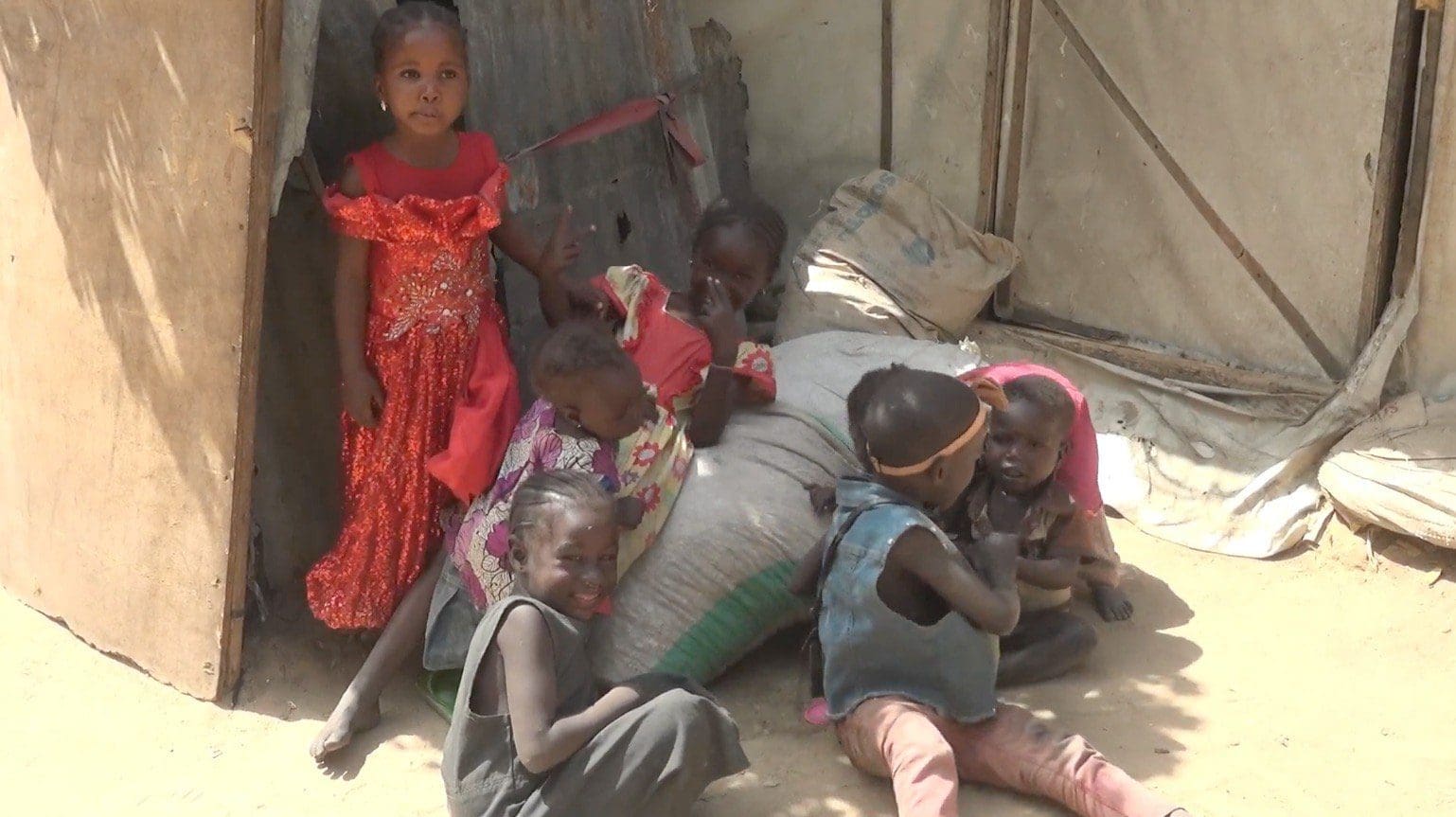
Across Northeastern Nigeria, hundreds of thousands of children, many from Christian families targeted in the jihadist group’s raids are growing up without formal schooling; a development experts warn could accelerate militant recruitment, and produce a destabilized generation.
Security researchers warn the outcome is not accidental, it is strategic.
A Childhood Defined by Insurgency
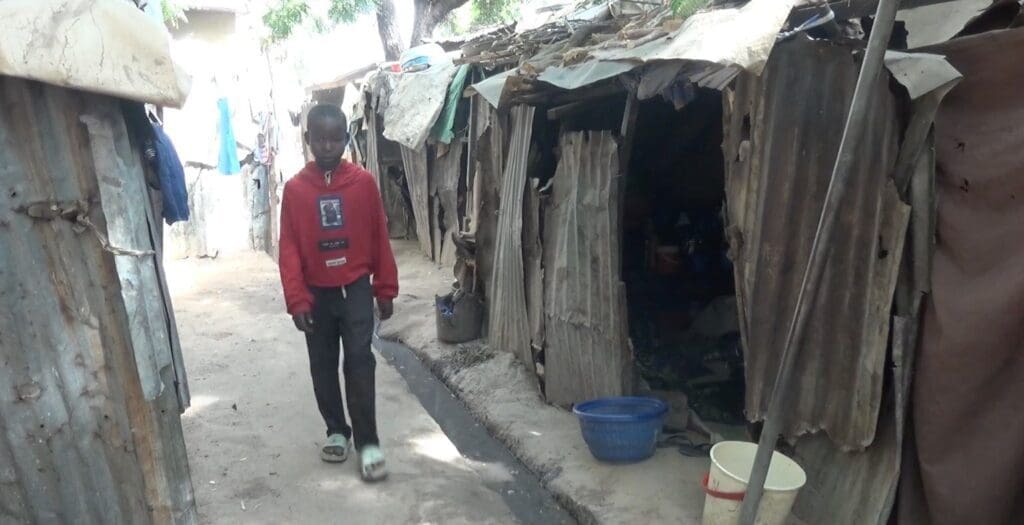
Thirteen-year-old Yohanna Emmanuel represents the human face of that strategy.
Born in Gwoza County near Nigeria’s border with Cameroon at the height of Boko Haram’s uprising, Yohanna has never experienced sustained education.
“I only attended school for one year in my entire life,” he told TruthNigeria. “Whenever I think of other children going to school, I feel deeply sad. I want to learn.”
His father was killed in a militant attack. His mother later died during displacement. He now lives with an uncle who struggles to provide food, let alone tuition or books.
“Since his father was killed by Boko Haram, survival has been our focus,” Samaila Ishaya, his guardian told TruthNigeria. “Feeding the family comes before school.”
Across displacement camps and militant-exposed rural settlements, aid workers say Yohanna’s story is not unusual, it is systemic.
Education as an Ideological Target
Boko Haram’s name is widely translated as “Western education is forbidden.” Since launching its insurgency in 2009, the group has burned schools, killed teachers, abducted students, and forced mass closures in what analysts describe as a deliberate strategy to dismantle Western-style and Christian education in the region.
UNESCO-referenced conflict data indicate that more than 1,400 schools have been destroyed across northeastern Nigeria, with hundreds more damaged or abandoned. Millions of children have lost access to formal education.
“Schools have become frontline casualties of violence,” said Moses Ogunniran, a conflict-education researcher who studies insurgency impacts on learning systems.
“As Nigeria confronts one of the most protracted terror crises in its history, classrooms have become symbols of national vulnerability,” Ogunniran told TruthNigeria.
The United Nations estimates the insurgency has killed roughly 35,000 civilians and displaced more than 3 million people across the Lake Chad Basin, a region spanning Nigeria, Niger, Chad, and Cameroon.
For displaced families living in overcrowded camps, education has become secondary to survival.
UNICEF estimates that as of 2025, 69% of school-aged children in displacement camps across Borno, Yobe, and Adamawa States lack access to any schooling.
Girls face the steepest barriers.
“In conflict zones, families often withdraw daughters first due to fears of abduction and sexual violence,” Ogunniran said. “That entrenches gender inequality for generations.”
A Recruitment Pipeline Risk
Security researchers warn that prolonged educational collapse creates conditions extremist groups exploit.
“Recruitment is often driven by economic desperation, protection needs, and coercion,” said Malik Samuel, Senior Researcher at Good Governance Africa. “Abduction and forced enlistment remain common pathways.”
Taiwo Adebayo, a Boko Haram researcher at the Institute for Security Studies in a report noted that “Jihadist groups recruit by exploiting socio-economic and security vulnerabilities, offering money, farm inputs, and livelihood support in exchange for allegiance, allowing militant influence to deepen.”
Nigeria already has one of the largest out-of-school populations in the world.
According to Ibrahim Sonoma, a child-rights advocate, “roughly one in five out-of-school children globally are Nigerian. These are futures being erased,” he told TruthNigeria.
Development economists warn that education loss on this scale reduces long-term earning potential, shrinks tax bases, and suppresses national GDP growth, compounding instability in a country that is already battling inflation, unemployment, and food insecurity.
Military Gains, Civilian Gaps
Nigeria’s armed forces say recent operations have degraded insurgent leadership and logistics operatives.
Military Spokesperson Major General Warra Idris told TruthNigeria that intelligence operations recently led to the arrest of three major logistics suppliers.
“Through human intelligence and available technology available to us, we arrested three major logistics suppliers,” he said. “They are being processed and are providing valuable information.”
But analysts caution that battlefield gains do not automatically translate into civilian recovery.
“Security operations can clear territory,” Ogunniran said. “Rebuilding education systems requires governance capacity, funding, and long-term planning.”
Reconstruction efforts in the northeast have lagged behind military offensives. Even where understaffed and under-resourced classrooms exist, poverty keeps children out.
Caroline Mwai, UNICEF’s education manager in Borno State, said alternative delivery models are essential.
“We must ensure children can access education whether formal or informal,” she told TruthNigeria. “Foundational literacy is critical if they are to progress later.”
Strategic Consequences Beyond Classrooms
Experts say Boko Haram’s war on education was never solely about destroying buildings. It was about reshaping the ideological, religious, and economic future of northeastern Nigeria.
An uneducated generation emerging from prolonged conflict zones faces higher risks of unemployment, militant recruitment, and long-term dependency; trends that can entrench instability for decades.
Mary Kiara reports on Terrorism for TruthNigeria.