
By Onibiyo Segun
Lokoja, Kogi state – The Kogi State Government in North-Central Nigeria on Wednesday, February 4, 2026, ordered immediate closure of all public and private primary and secondary schools statewide for two weeks, citing credible security threats and imminent operational risks.
The directive, which took effect immediately, was confirmed by the Ministry of Education following internal security advisories warning of possible attacks on soft targets, including schools, across several county (local government areas.)
In a statement issued in Lokoja on February 3, Kingsley Femi Fanwo, Kogi State Commissioner for Information and Communications, said the decision was preventive rather than reactive, stressing that the safety of pupils, students, and teachers outweighed temporary academic disruptions.
“This is not a panic response. It is a calculated step to protect lives based on intelligence available to the state,” Fanwo said, adding that security agencies had been mobilized to address emerging threats.
The order applies to all public and private primary and secondary schools, with authorities warning that non-compliant institutions risk sanctions, including withdrawal of operating approvals.
A State Under Strain
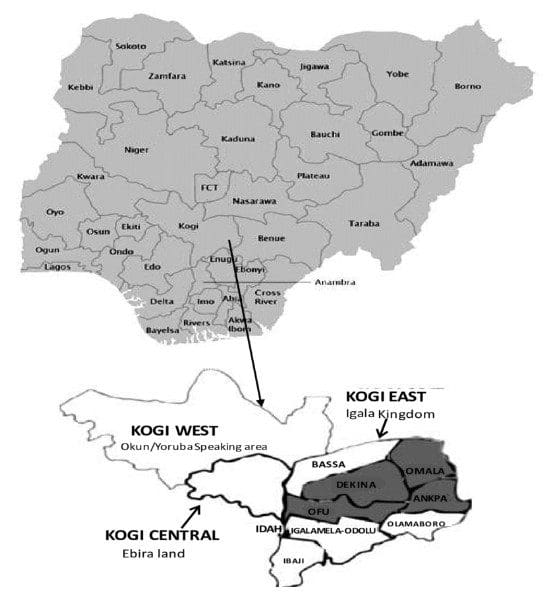
The shutdown comes amid a deteriorating security environment in Kogi State, where rural Christian communities have faced repeated attacks linked to Fulani ethnic militia groups, operating within wider terrorist-jihadist networks spreading southward from Nigeria’s traditional Northern conflict zones.
Kogi’s Many Terror Attacks
In December 2025, armed assailants attacked Christian communities in Mopamuro and Kabba-Bunu county local government areas, killing residents and abducting worshippers during church services, according to multiple TruthNigeria investigations.
In one incident, gunmen stormed a church service, killing a worshipper and kidnapping several congregants, reinforcing fears that religious centers and schools were becoming deliberate targets.
Weeks later, local vigilantes and community guards rescued seven abducted Christians after trailing kidnappers through forest routes in western Kogi.
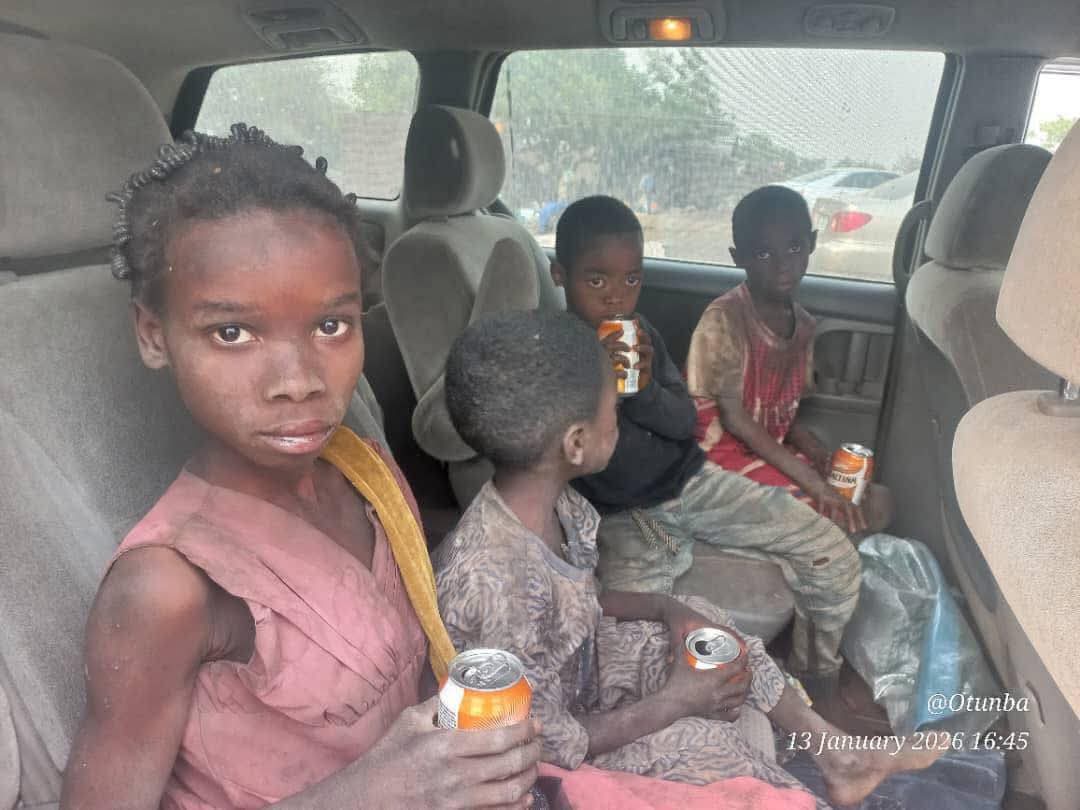
By late January, at least 17 hostages seized in separate attacks across the state regained freedom after paying ransoms in millions.
Security analysts say these attacks mirror tactics long associated with Boko Haram and Islamic State West Africa Province (ISWAP) affiliates, even where direct organizational links remain fluid or unconfirmed.
Foreign Forces, Local Fear
The school closure coincides with confirmation by the United States military that a small number of American troops have been dispatched to Nigeria to support counterterrorism cooperation with Nigerian forces.
According to U.S. Africa Command, the deployment is intended to enhance intelligence sharing and advisory support as Nigeria confronts escalating extremist threats, including Boko Haram and ISWAP.
Nigeria’s Defense Minister and former Chief of Defense Staff, General Christopher Musa (rtd.), confirmed the presence of U.S. personnel but declined to disclose operational details, citing security sensitivity.
While the deployment is not directly linked to Kogi State, analysts say it underscores the seriousness of Nigeria’s nationwide security crisis and the spillover of insurgent tactics into previously less-affected regions.
Impact on Families and Schools
For many parents, the closure brought relief mixed with anxiety.
“I would rather lose two weeks of school than lose my child,” said Mrs. Eunice Obaje, a mother of three in Kabba-Bunu local government area in Kogi state.
School proprietors, however, warned of academic and financial consequences.
Pastor Reuben Jimoh, Chairman of the National Association of Proprietors of Private Schools in Kogi State, said the decision was understandable but costly.
“Private schools will struggle with disrupted calendars, lost tuition revenue, and rescheduled examinations,” Jimoh said, National Association of Proprietors of Private Schools (NAPPS) Chairman.
Education experts offered cautious support. Dr. Lucy Bello, an education specialist in Lokoja, said the shutdown reflects a harsh reality confronting educators nationwide.
“When insecurity reaches classrooms, learning must pause. But repeated closures risk long-term educational regression,” she said.
Security Calculus
Defense analysts view the move as tactically sound but strategically troubling. Dr. Emmanuel Okoro, a defense analyst at the University of Abuja, said schools have become symbolic targets for armed groups seeking attention and leverage.
“Closing schools buys time, but it also signals how deeply insecurity has penetrated civilian life,” Okoro said.
He warned that without sustained military pressure and community-based intelligence, temporary closures risk becoming routine rather than exceptional.
What Comes Next?
The Kogi State Government said schools could reopen after the two-week period, subject to improved security assessments and operational gains by security agencies.
Yet for many residents, the closure highlights a deeper concern: how long education, worship, and ordinary life must pause to accommodate a war citizens never chose.
As Daniel Adamu, a farmer in Mopamuro local government area, put it, “When schools close, it means fear has won that day. The real victory is when children return safely”.
Until then, classrooms in Kogi remain silent not for holidays or labor disputes, but because terror has again dictated the rhythm of civilian life – a stark measure of how insecurity now shapes governance decisions across Nigeria.
Onibiyo Segun reports on terrorism and conflicts for TruthNigeria.