
By Mike Odeh James and Izhi Bitrus Adamu
TAKUM, Nigeria–In Nigeria’s Middle Belt, where the country’s Muslim north meets its largely Christian south, Taraba State has become the latest front line in a slow-burning war over land, identity, and survival.
In just four months, Fulani ethnic militias have killed at least 87 Christians in Taraba, razing more than 30 farming communities while security forces remain conspicuously distant.
The violence, local leaders say, is no longer sporadic clashes but a coordinated campaign to empty Christian villages and seize fertile land.
The most recent massacre occurred before dawn on February 1, when gunmen stormed Chanchanji electoral ward in Takum Local Government Area, killing at least 15 people and forcing hundreds to flee.
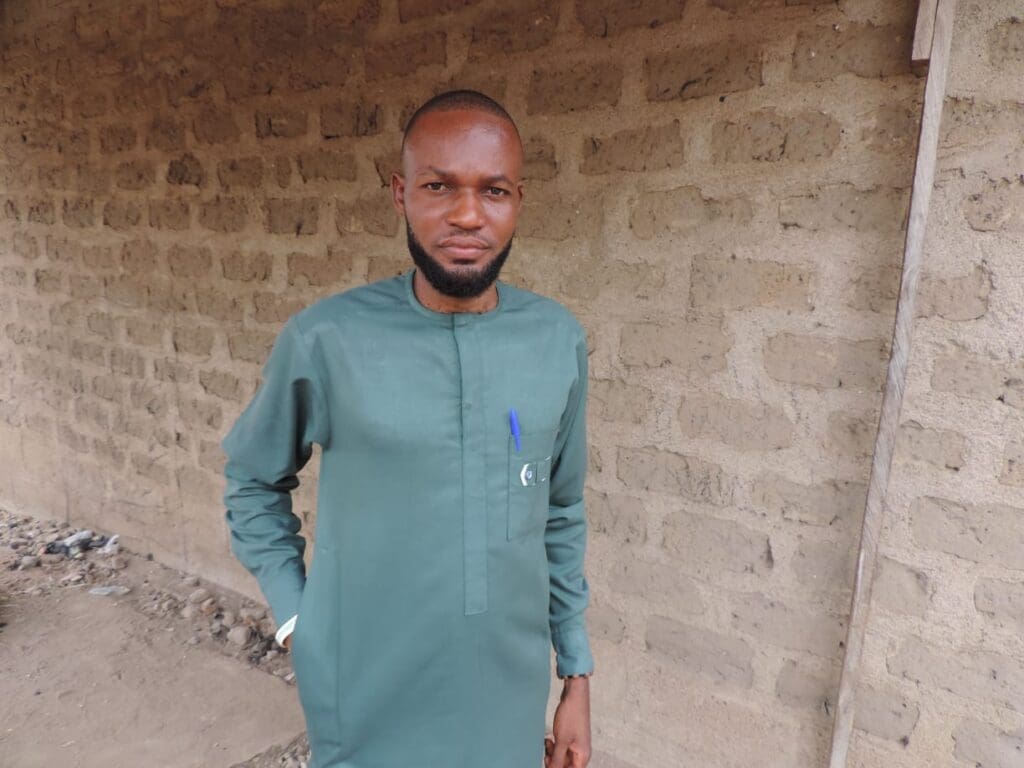
Comrade Torkuma Luper Moses, president of the Taraba Tiv Youth Development and Progressive Forum, confirmed to TruthNigeria the attack and listed displaced communities including Abokpa, Abeda, Tse Paveun, Gbundu, Mbayevkyaior, and Tse Shile.
“This is not random violence,” Moses said. “Our people are being pushed off their ancestral land.”
The Middle Belt Fault Line
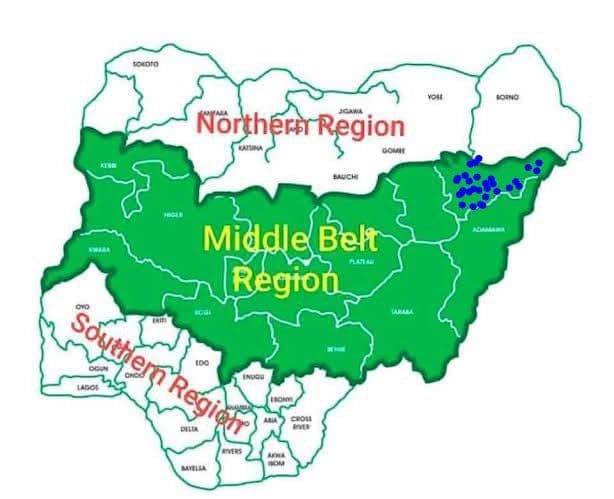
Nigeria’s Middle Belt has long been a zone of tension—ethnically diverse, religiously mixed, and agriculturally rich. For years, conflicts between nomadic Fulani herders and settled farming communities have been framed by authorities as “farmer-herder clashes.”
But in Taraba, Christian leaders say that narrative no longer fits reality. Tribal and political leaders today cite Fulani ethnic militia as the force driving Christian farmers off their lands.
“More than 60 of our people were killed from September 2025 to this day,” said Zaki T. M. Gbise, a Christian traditional leader who hosted displaced villagers in Amadu community. “Many bodies are still missing. We cannot go into the bushes to search because it is too dangerous. Our people are denied even proper burial.”
Entire Christian villages—Unom, Peeki, Uvande, New Gboko—now lie abandoned. Homes have been burned, crops destroyed, and farmlands overtaken. Survivors say attackers often return days later to occupy the land.
Local officials increasingly describe the violence as land-grabbing under the cover of insecurity.
“This is madness of the highest order,” said Hon. Benjamin Bako, political head of Takum county.
Ambushed While Gathering Firewood
The danger extends beyond organized raids.
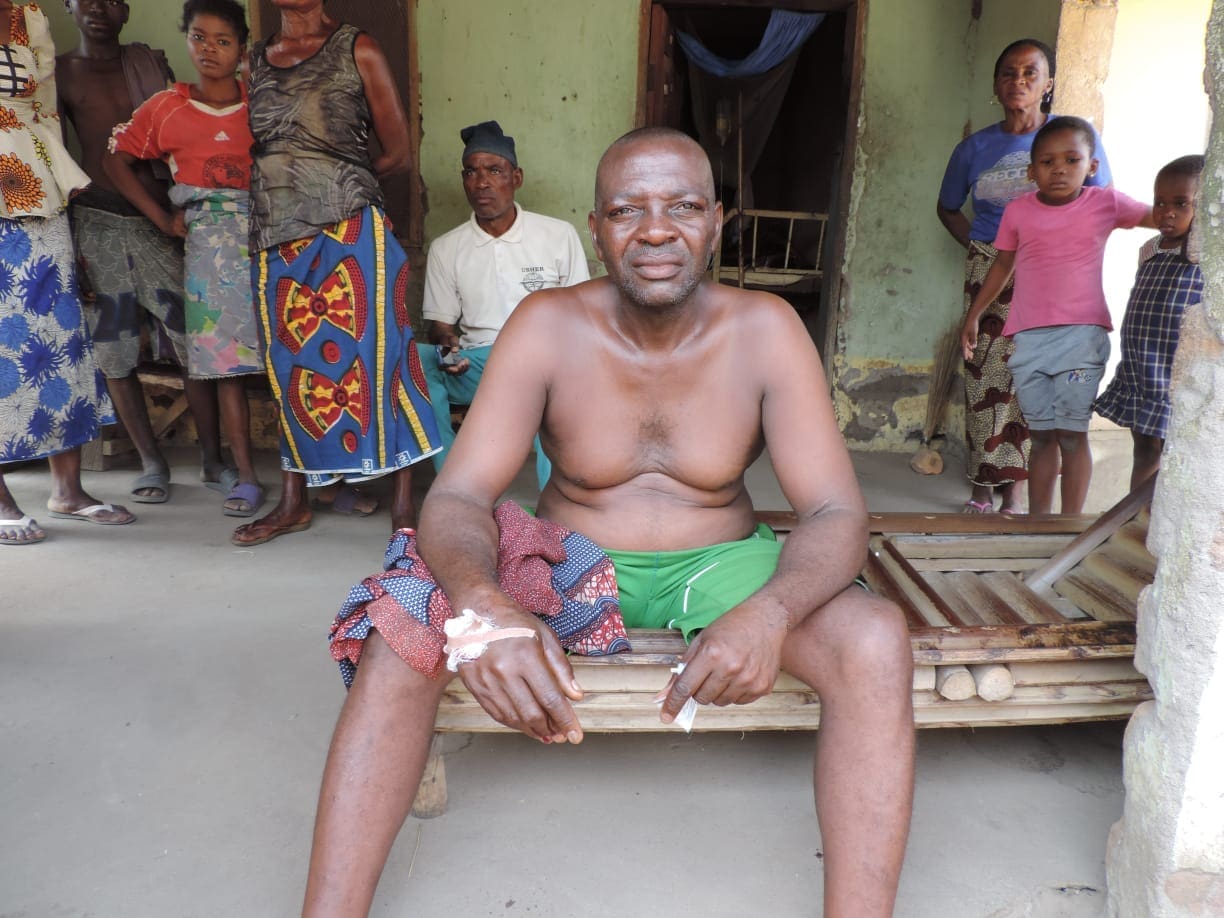
On February 3, as community leaders met journalists to discuss the crisis, news broke of another attack. Terwua Hirekaan, a farmer in his early 50s, staggered into town with deep machete wounds to his arm.
He had been gathering firewood when three women ran past him screaming warnings. Moments later, armed men surrounded him.
“The fight lasted a few minutes,” Hirekaan said outside Imande Health Clinic. “I struck one of them on the head. Blood was gushing. That was what distracted them, and I ran.”
The three women were not seen again.
Life in Displacement Camps
Thousands of displaced Christians now shelter in makeshift camps, including an unfinished school building at Prince Model Nursery and Primary School in Amadu. There are no doors, no windows, no sanitation.
Mrs. Mercy Achi has lived there for six years. Her husband was killed in 2021 while harvesting groundnuts.
“Our women cannot go out to get firewood,” she said. “Fulani will catch us, take us into the bush, and rape us. Just 30 minutes ago they chased us. I ran and left other women behind.”
Two children under five died in the camp on January 31, reportedly from a diarrhea disease. Others were visibly ill when journalists visited days later.
Daily Killings, Official Silence
Catholic priests in Takum document attacks in real time.
“Fulani ethnic militias killed three today between 12 noon and 1pm,” Father George Dogo of Holy Family Cathedral wrote on January 30, naming the victims. Four days later, he reported another assault that left at least 12 Christians dead in Usoh community.
Father Moses Angean captured the growing frustration: “People are killed daily, yet the government goes about normal business. For months this has continued, and the Taraba State governor has not addressed it.”
Requests for official comment from state authorities went unanswered.
Broken Promises, Growing Impunity
On November 6, 2025, the Takum traditional council brokered a peace agreement between Tiv farmers and Fulani leaders. Both sides pledged coexistence.
The killings continued.
On December 15, Fulani militias ambushed a military patrol in Vande area of Kofi Amadu community, killing one soldier and leaving three others missing—raising further questions about control on the ground.
In response to complaints, Nigeria’s Defence Headquarters said Joint Task Force Operation Whirl Stroke was conducting intelligence-led operations to deny militias freedom of movement.
Local leaders say the reality on the ground tells a different story.
“Initially, men were the targets,” Gbise said. “Now women and children are slaughtered. This is extermination.”
Why Taraba Matters Beyond Nigeria
The crisis in Taraba has implications far beyond the Middle Belt. Nigeria is a strategic U.S. partner in counterterrorism, regional stability, and energy security. Yet persistent allegations of ethnic cleansing and religious persecution increasingly strain that relationship.
According to Fr. Dogo , “Christians of Tiv, Kuteb and other ethnicities are gradually being exterminated and the US is watching
U.S. lawmakers, faith-based organizations, and human rights advocates have repeatedly questioned Nigeria’s ability—or willingness—to protect vulnerable Christian communities. Continued inaction in Taraba risks reinforcing perceptions of state complicity or indifference, complicating military cooperation and diplomatic trust.
For villagers now sleeping on concrete floors and burying children without medicine, the geopolitics matter less than survival.
But for Nigeria, Taraba is no longer a forgotten conflict. It is a test—of citizenship, justice, and whether the state still claims every community as its own.
Mike Odeh James and Izhi Bitrus Adamu are conflict reporters, they write for TruthNigeria.