
Three Christians Who Helped Soldiers Rescue Kidnap Victim Remain Jailed but Uncharged
By Mike Odeh James
(Kaduna) Three volunteer community guards in Kaduna State remain locked up more than a month after helping soldiers rescue a kidnapped woman from armed Fulani terrorists.
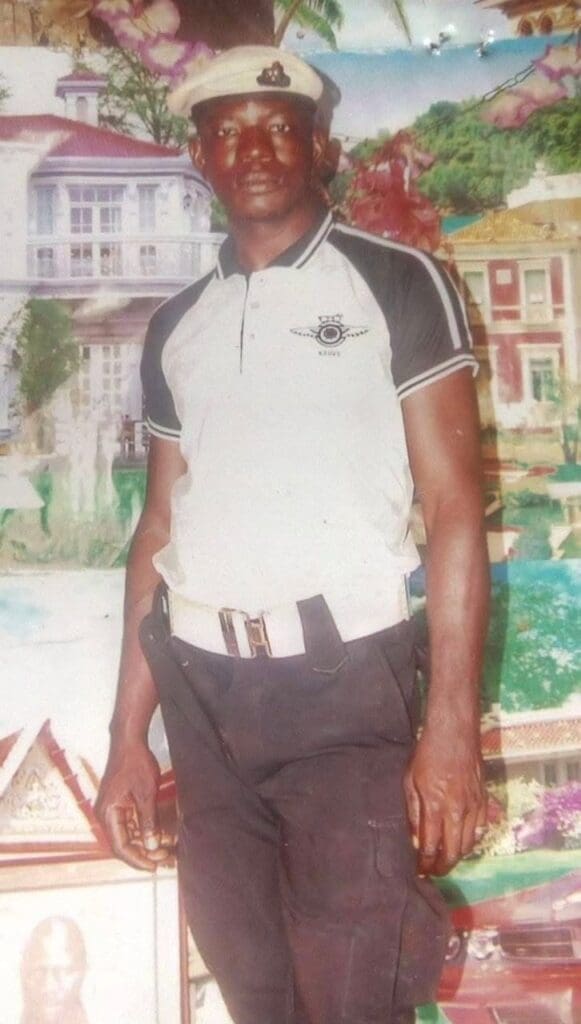
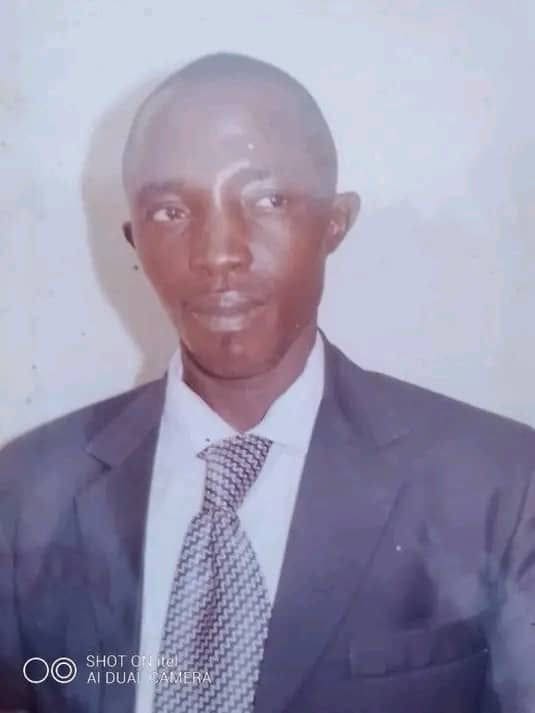
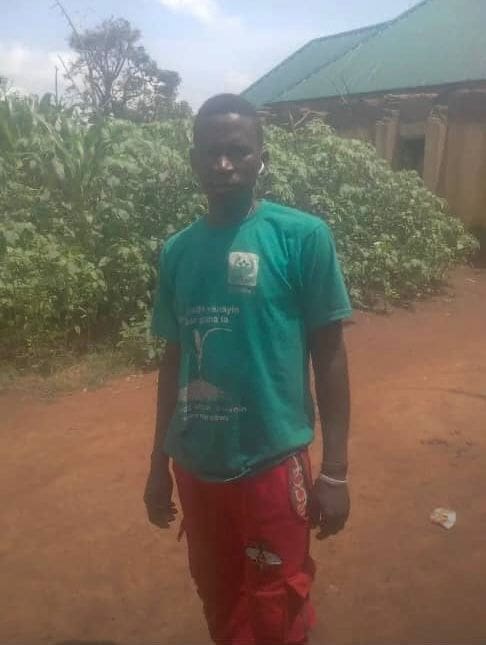
Habila Yaro Umaru, Philibus Ninyioh, and Augustine Tinat are being held inside the Criminal Investigation Department (CID) facility in Kaduna State. They have not been formally charged with any crime. Their families insist they are being punished for assisting the military in saving a victim.
Community leaders and rights advocates fear the detention reflects a pattern of religious discrimination in northern Nigeria.
A Highway Ambush — and a Rescue
On January 13, 2026, armed Fulani terrorists ambushed travelers along the Jos–Kaduna highway between Manchok and Jankasa in southern Kaduna. The attackers blocked the road, abducted several commuters and sexually assaulted a young woman from Kajim village.
Troops under the Nigerian Army’s Joint Task Force, Operation Enduring Peace, responded. In a firefight, soldiers killed three of the attackers and rescued the victim.
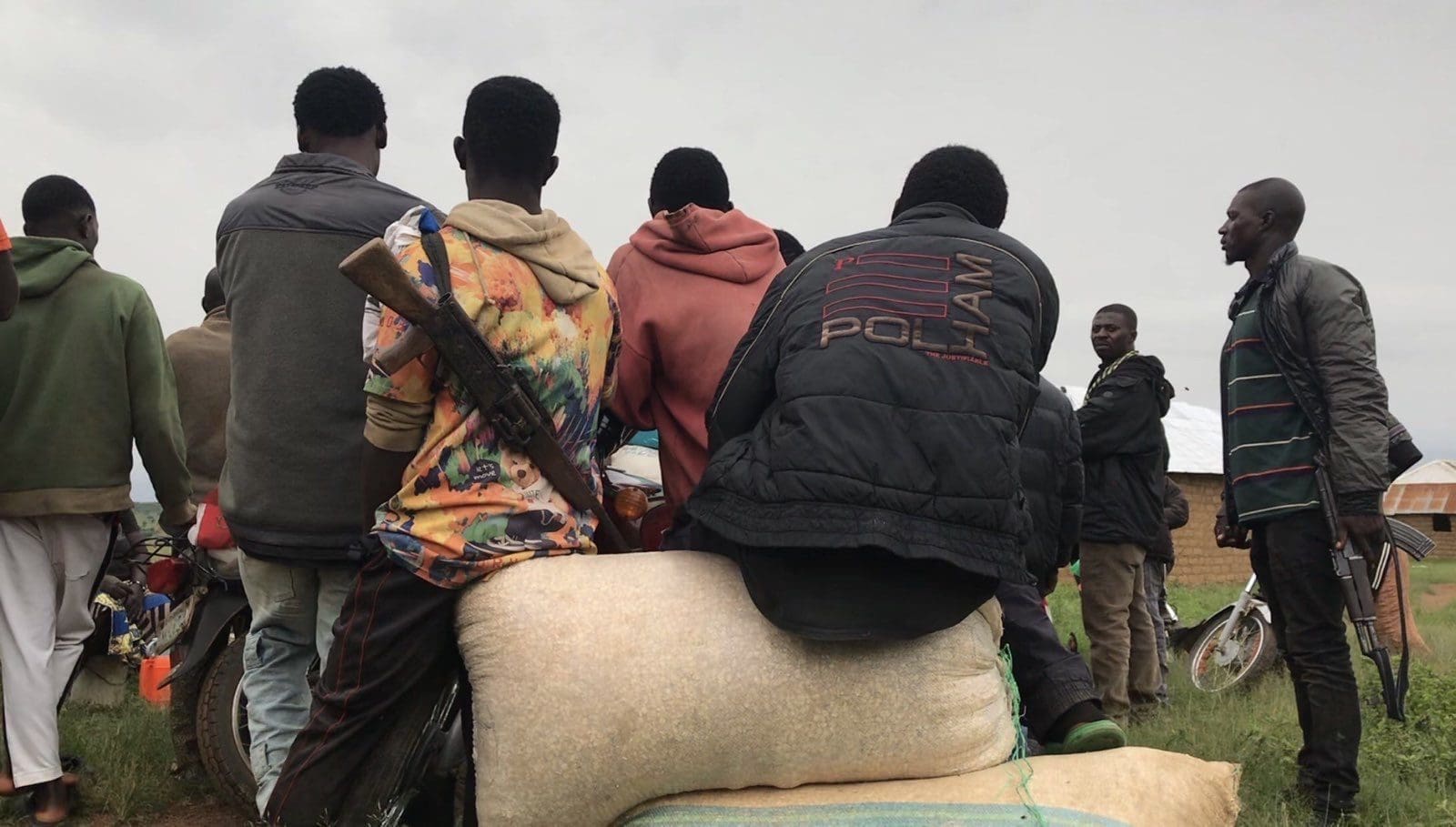
Local volunteer guards, known colloquially as “vigilantes,” from the Christian community assisted the troops, guiding them through the terrain and providing intelligence. A military statement confirmed the rescue the following day.
Weeks later, the three vigilantes who assisted the army were arrested, according to UTVAfrica. The soldiers involved in the operation were not detained.
Controversial Petition from Miyetti Allah
The arrests were carried out on February 16, 2026, following a formal petition allegedly filed by a local leader of Miyetti Allah Cattle Breeders Association of Nigeria (MACBAN), according to Bobbai Dauda Johnson, village head of Kajim. MACBAN is a powerful Fulani cattle herders’ organization.
Johnson identified the petitioner as Ardo Hari Salisu, who chairs the local chapter of MACBAN in Manchok.
“They filed a petition against our heroes,” Johnson said.
Myetti Allah repeatedly has denied allegations that it shields or enables militia violence. However, critics argue that petitions from cattle barons spark police action in volatile areas.
As of press time, neither the Kaduna State Government nor the Nigeria Police Force has explained why the three vigilantes remain uncharged but in detention after 30 days.
Moroa Kingdom: A Christian Homeland Under Pressure
Kajim lies within the Moroa Kingdom — the ancestral homeland of the Asholyio people in southern Kaduna. The kingdom is located approximately 125 miles southeast of Kaduna city, in the corridor to Kafanchan and the Jos Plateau corridor.
For more than a century Moroa has been a hub of Christian faith where congregations of Baptists, ECWA (Evangelical Church Winning All), and Catholics have prospered. Agriculture is the backbone of the local economy, with generations of families cultivating ancestral lands.
Local elders argue that tensions escalated after implementation of policies introduced under former Kaduna State Governor Nasir El-Rufai, an outspoken champion of the Fulani tribe.
They allege that as governor El-Rufai deliberately enforced grazing policies that permitted Fulani herders to graze freely across the Kingdom, including predominantly Christian communities such as Kajim.
During the governorship of El-Rufai, Kaura Local Governance Area (County) witnessed an influx of armed men who embedded within herding populations, according to community leaders who spoke to TruthNigeria.
“El-Rufai opened the grazing corridors into our lands,” one Moroa elder said. “After that, armed Fulani terrorists began appearing in our forests. Since then, we have known no peace.”
The governor of Kaduna State from 2015 to 2023 argued that his livestock reforms meant economic modernization that would reduce farmer-herder clashes. But the implementation of these policies weakened legal protections of native, small-plot farmers and altered demographic balances in fragile areas, according to Moroa critics.
Communities Under Siege
Residents of Kajim, Manchok, and surrounding villages describe ongoing attacks.
Southern Kaduna forms part of Nigeria’s Middle Belt, a region long marked by land disputes, identity tensions, and cycles of reprisal violence. In recent years, attacks attributed locally to armed Fulani militias have intensified, according to residents.
Jerome Dalam, a farmer from Manchok, said his access to farmland puts him in danger.
“If we dare go to farm, they ambush or kill you,” he said. “They kill men and assault women who go to the farms.”
Danbaba David, another Kajim resident, described movement restrictions.
“You can’t travel out of Kajim without fear of kidnapping,” he said. “Our young ladies are not safe anymore.”
Residents report abandoned farmlands, destroyed crops, and multiple displacements. In July 2024, community elder Takai Agang Shemang was kidnapped and later rescued by the military after eight days in captivity. On Christmas Day 2025, Istifanus Stephen was killed while attempting to prevent the abduction of a young woman near First Baptist Church Kwarga.
Community leaders warn that detaining vigilantes who assisted soldiers risks discouraging local cooperation with security forces in future operations.
International Scrutiny
The case unfolds amid growing international concern about religious violence in Nigeria.
U.S. lawmakers are currently considering the Nigeria Religious Freedom and Accountability Act of 2026 (HR 7457), which proposes stronger responses to sectarian violence. A recent congressional report described Nigeria as one of the most dangerous countries globally for Christians and recommended targeted sanctions against armed militias.
Security analyst Friday Agbo of Alterconsult, a think tank in Kaduna, argues that President Donald Trump has largely concentrated on jihadist organizations such as Boko Haram but showed too little attention to Fulani militias in the Middle Belt.
He maintains that without accountability across all armed actors, instability will persist.
For families in Kajim, the issue is immediate: three men who aided a military rescue remain detained without formal charges.
Whether this case reflects isolated procedural caution or selective enforcement remains uncertain. But in Moroa Kingdom residents believe the message is unmistakable: cooperate with security forces at your own risk.
Mike Odeh James is a Conflict Reporter for TruthNigeria.