
Residents Accuse Security Forces of Standing Down
By Ekani Olikita
(Makurdi)— Lubem Chia did not follow the war against Islamist terror in the Persian Gulf last week, because his own war with Islamist terror was at his doorstep.
On Thursday, his younger brother, Abum Chia Igbe, was killed in a brutal attack by Fulani Ethnic Militia (FEM) fighters in Nigeria’s Benue State, one of at least 22 Christians killed in coordinated assaults across several Christian farming communities.
“My younger brother had just returned from his farm when they attacked him,” Chia told TruthNigeria. “They cut him several times. I heard them speaking Fulfulde and shouting ‘Allahu Akbar.’ Seven other bodies were recovered nearby.”
The killings occurred on March 5, 2026, when heavily armed Fulani Jihadists attacked Mbaav village in Mbadura Precinct (Council Ward) and Mbachom community along the Ayaga–Tyungun–Jam road in Yaav Precinct, all in Turan District of Kwande County
The attacks are the latest in a series of violent assaults targeting predominantly Christian farming communities in Nigeria’s Middle Belt.
Pattern of Violence in Nigeria’s Middle Belt
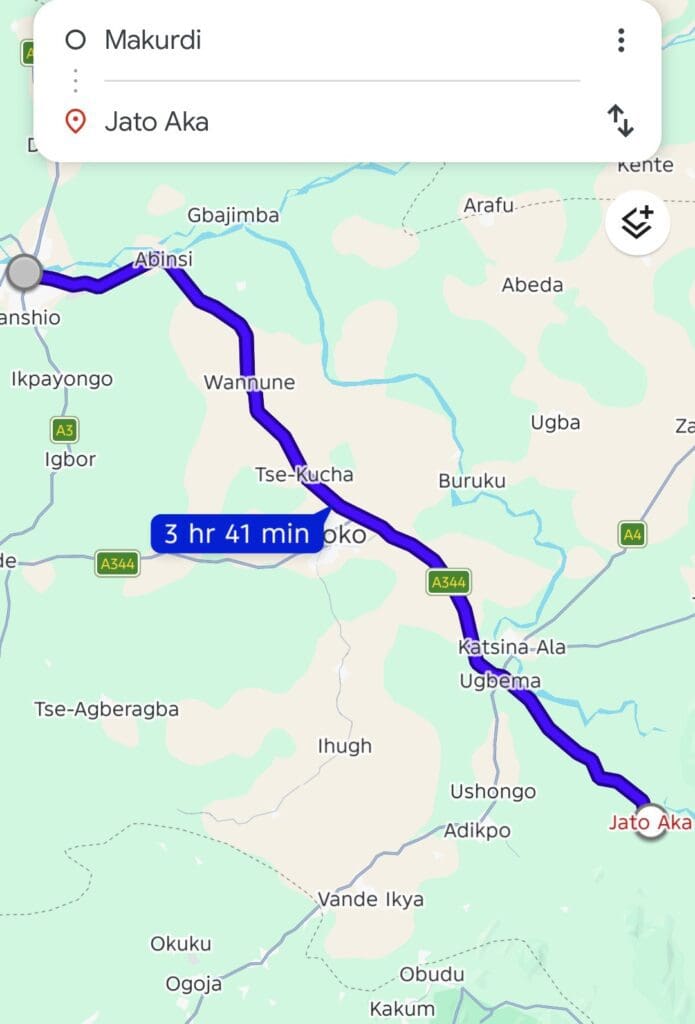
Kwande County, whose administrative center is Jato-Aka, lies about 100 miles southeast of Makurdi, the capital of Benue State. The region is overwhelmingly Christian (98%, mostly Catholics) and heavily dependent on farming.
Local residents say the area has increasingly become a target for armed Fulani militia groups believed to operate from remote mountainous areas along the Benue–Taraba border and neighboring Cameroon.
According to the Observatory for Religious Freedom in Africa (ORFA), armed Fulani militants were responsible for the deaths of nearly 24,000 civilians between 2019 and 2023, making the conflict one of the deadliest but least internationally recognized crises in Africa.
The latest killings follow another wave of attacks in February in which 31 Christians were reportedly killed within 72 hours in the same Turan District.
The March 5 Attacks
Residents say about 50-armed Fulani fighters riding roughly 25 motorcycles stormed rural farming areas in the late afternoon.
“They came from the hills along the Cameroon and Benue–Taraba border,” said Akough Orduen, a resident of Mbaav village.
“They were heavily armed and opened fire on our people working on their farms”, he told TruthNigeria.
Witnesses reported that 12 farmers were killed in Mbaav, while eight more residents were killed in nearby Mbachom community.
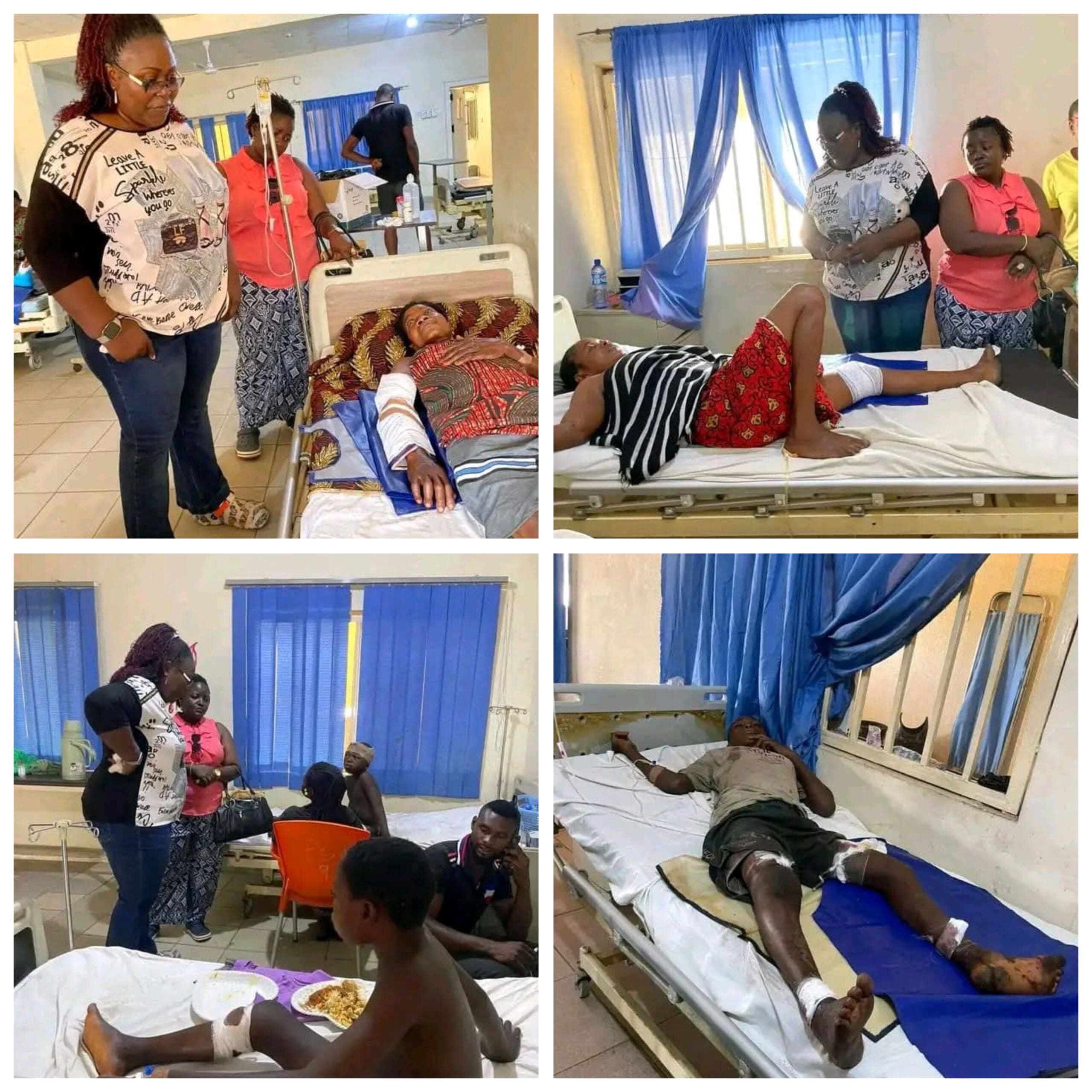
Several villagers remain missing and those wounded in the attacks are receiving treatment at Benue State University Teaching Hospital in Makurdi.
Residents Accuse Security Forces of Inaction
Community members say the attacks occurred despite a large security presence in the region.
Orduen said more than 400 military personnel have been deployed across Turan District in recent months to address the violence.
“It is shocking that such a deadly attack could happen with so many soldiers nearby,” he said.
Residents also claim that local self-defense groups have been disarmed by security forces, leaving communities vulnerable to attacks.
“The military collected weapons from the youths protecting our villages, but the Fulani terrorists still carry weapons,” Orduen told TruthNigeria.
Community leaders say four of the five council wards in Turan District have already been abandoned, with villagers fleeing their homes after repeated attacks.
Fisherwoman Killed in Separate Attack
Violence has also spread to other parts of Benue State.
On February 28, Deborah Ochowechi, 37, was killed while fishing near Obagaji, the headquarters of Agatu Local Government Area.
Her brother, Jibrin Enogela, a local councilor, said armed Fulani militants chased and hacked her to death.
“She saw them and tried to run home, but they pursued her and killed her,” Enogela told TruthNigeria.
The killing occurred despite the presence of a Forward Operating Base of Operation Whirl Stroke, a joint Nigerian military task force established to combat militia violence in the region.
Youth Volunteer Commander Killed in Apa
In Apa County (Local Government Area), another attack on March 5 targeted the community of Ikobi.
Local volunteer guards attempted to repel the assault, but Atungwu Angel, a Youth Volunteer commander, was shot and killed during the confrontation.
Another volunteer, Ample Maigida, was critically wounded and is receiving treatment in Ugbokpo, the headquarters of Apa County.
“Our community might have been completely overrun if not for him,” said Emmanuel Ochekwu, Ikobi Community Youth Leader in a phone interview with TruthNigeria.
“He defended our people in many attacks before this one.”
Ochekwu also questioned how militants continue to operate despite nearby security installations.
“We have a Mobile Police base in Odugbo and a military base in Opaha,” he said. “We do not understand how these attackers continue to operate.”
Government Response
Benue State Governor Rev. Fr. Hyacinth Alia condemned the attacks and described the killings as tragic.
In a statement Friday, the governor said approximately 400 security personnel had already been deployed to Turan communities to contain the violence
He expressed hope that the deployment would help prevent further attacks.
Security Experts Warn of Escalation
Security analyst John Anthony Ikwulono, who studies rural conflict in Nigeria’s Middle Belt, said the attacks reveal serious weaknesses in Nigeria’s security response.
“When armed groups can travel across rural border regions on motorcycles, attack villages and withdraw without interception, it shows serious weaknesses in intelligence gathering and rapid-response systems,” he told TruthNigeria.
Ikwulono warned that without stronger coordination among security agencies and improved intelligence networks in rural communities, such attacks are likely to continue.
Growing Fear in Farming Communities
The violence has heightened fear among farmers and fishermen who rely on daily agricultural work to survive.
Community leaders say many villagers are abandoning their homes and farmlands, which they claim are being taken over by armed militias.
With Nigeria’s planting season approaching, local officials warn that continued insecurity could threaten food production and deepen displacement in the region.
For families mourning their loved ones, however, the consequences are already devastating.
“We just want to live in peace on our land,” one resident said.
Ekani Olikita is a Conflict Reporter for TruthNigeria.