
By Ezinwanne Onwuka
In Benue, a state in northcentral Nigeria where thousands of Christians have been slaughtered in targeted attacks, the government is planning to rehabilitate the Fulani-linked bandits who turned their villages into mass graves—while those who survived remain in squalid camps, living on rationed meals and still hoping that their government will someday come to their aid.
A Pattern of Mass Killings
Benue has been one of the hardest-hit states in Nigeria’s long-running cycle of violence involving armed Fulani militia groups, with repeated large-scale attacks on rural farming communities.
Between January 2023 and February 2024 alone, investigations by Amnesty International documented over 2,600 people killed across about 50 communities in the state. In April 2023, at least 50 people were killed when armed herders attacked mourners at a funeral in Umogidi community.
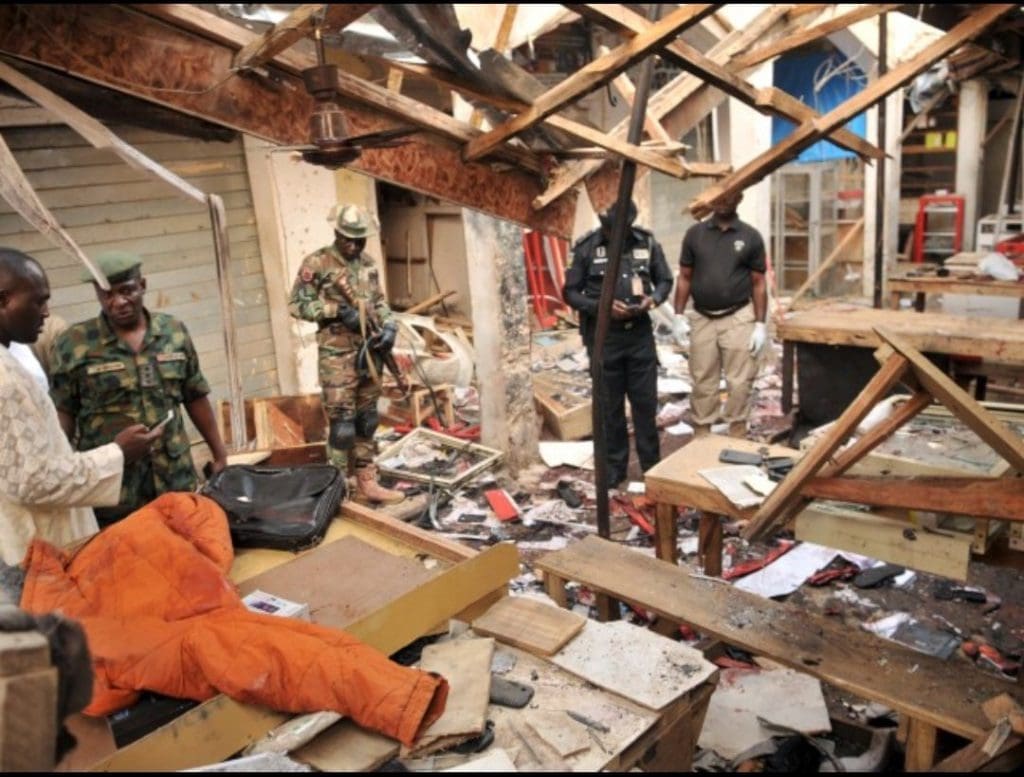
In 2025, one of the deadliest incidents in recent years unfolded in Yelwata, where gunmen killed between 100 and 150 people in a single attack. Victims were reportedly burned inside their homes, and thousands were displaced. In May, at least 42 people were killed across multiple communities, including women and children as young as two years old.
The violence has continued into 2026. TruthNigeria documented 32 people killed in coordinated attacks across Kwande, Gwer-West, Apa, Agatu, and other local government areas. Eyewitnesses described heavily armed fighters shouting “Allahu Akbar” as they opened fire on farmers.
Just last two weeks, another TruthNigeria report detailed the killing of 22 Christians in two villages in Kwande, with survivors accusing local security forces of standing down while the attackers fled.
Rehabilitation for ‘Repentant’ Fighters
Despite the continued violence, Benue authorities are moving forward with plans for a Disarmament, Demobilization, and Reintegration (DDR) program, seeking federal approval to establish a rehabilitation center for about 400 “repentant” local bandits.
Under the proposal, participants would undergo between six months and one year of training, receive certification, and be provided with livelihood support, housing, and psychological counselling as part of efforts to reintegrate them into society.
Officials argue that many of the recruits were forced into armed groups, and that offering them a pathway out could help reduce future attacks.
“These persons are not necessarily criminals but were taken in to do dirty jobs for those in the forest because they know that if they (the local bandits) come out, they would be recognized, so they needed foot soldiers,” said Josephine Habba, Director-General of the Commission for Peace and Reconciliation.
“Even pregnant women were abducted and turned into their cooks. The number of people from the biometrics we have done is over 1,800, but 400 are willing to be rehabilitated.”
Habba added that the proposed DDR center is certified and funded by the United Nations, noting that its establishment could attract global attention to the crisis in Benue. She also said the initiative could lead to increased military presence in the state to support its implementation.
According to her, the center is expected to be located in Logo Local Government Area and would require millions of naira to establish.
Victims Left Behind
Benue is referred to as Nigeria’s “food basket” for producing large quantities of staple crops such as yams, maize, and soybeans. But years of violence have crippled farming and displaced thousands of residents.
Tens of thousands of survivors—mostly Christians—remain in internally displaced persons (IDP) camps after their homes were burned, their churches destroyed, and their families torn apart.
Many have spent years in overcrowded makeshift IDP camps with little hope of returning home, even as state authorities advance plans to reintegrate the very people responsible for their displacement.
“How do you forgive people who have not faced justice?” asked Idoko George, a public affairs commentator based in Abuja. “What about the victims of these criminals who are rotting away in IDP camps? Have you relocated them to their ancestral homes, rebuilt their homes?”
“This is not reconciliation, it is the erasure of pain. You cannot reward violence and expect justice to thrive. Rehabilitation without accountability creates a dangerous precedent. It tells victims their suffering is negotiable.”
Speaking to TruthNigeria, George added, “All the government wants to do is equip criminals in the name of rehabilitation. Through this same process, our military and other security agencies have been infiltrated by these terrorists.”
Calls for ‘Equal Justice’
As debate over the proposal intensifies, some voices are calling for a parallel approach, arguing that any plan to reintegrate repentant fighters must be matched with concrete support for victims.
“If the government wants to resettle one repentant terrorist,” Abuja-based civil society advocate Owoicho Mercy told TruthNigeria, “then let them also resettle one displaced Christian family. Let there be equity. Let the victims see that they matter too.”
“It’s about fairness. You cannot rebuild a society by ignoring those who have lost everything. If the state is willing to spend millions rehabilitating killers, it should also be willing to spend at least the same saving the lives of the survivors they abandoned,” she added.
Ezinwanne Onwuka writes special features for TruthNigeria.