

Residents of Apa, Agatu and Gwer-West Counties Demand Right to Self-Defense
By Ekani Olikita
(Makurdi) Residents of Apa, Agatu and Gwer-West counties [Local Government Areas] in Nigeria’s Benue State say they are being driven from their ancestral homes by armed militias.
They describe the attackers as heavily armed Muslim Fulani Ethnic Militia (FEM), alleging a sustained campaign of violence, displacement and territorial control across their communities. (The Fulani people are one of Nigeria’s largest ethnicities, claiming 10 million members. The tribe is famous for cattle herding and many of its leaders are known for expounding Islamist teachings.)
Despite repeated Exit Orders for Fulani to leave, the Ethnic Militia have stayed put, destroying crops, attacking, kidnapping and killing local residents of the counties
Benue, a predominantly Christian State (98 percent Christian, chiefly Catholics), often referred to as Nigeria’s “food basket” due to its agricultural output, has been one of the hardest-hit regions in the country’s complex civil conflict. Repeated attacks have not only displaced thousands but also disrupted farming activities, threatening livelihoods and regional food supply.
Fulani Militia Camps at Apa/Agatu/Gwer-West Borders
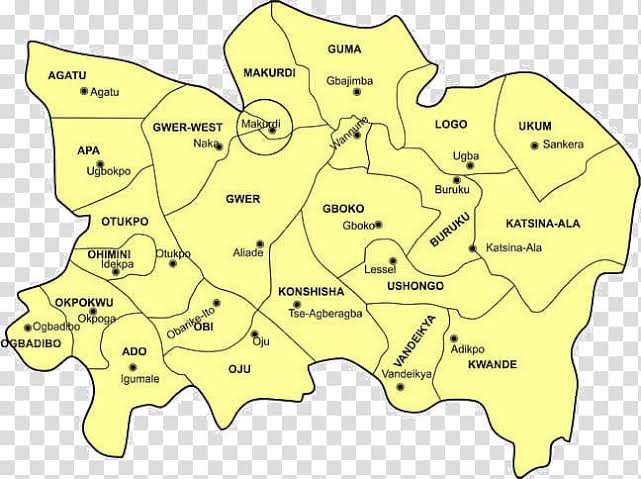
Likened by some to the Bermuda Triangle, also known as the “Devil’s Triangle,” a loosely defined region in the western North Atlantic Ocean, roughly bounded by Miami, Bermuda and Puerto Rico, where numerous ships and aircrafts have reportedly disappeared under mysterious circumstances, Fulani Militia have established a Terrorist Triangle in rural communities bordering Apa, Agatu and Gwer-West Counties. In this sanctuary for criminality, they plan ethnic-cleansing missions, torture and murder their victims, according to residents who spoke to TruthNigeria on background for fear of reprisal.
The communities include Imana, Okwuji, Ikobi, Inyapu, Olegogba, Asaba and Akpete in Apa County, Ogbaulu and Odejo in Agatu County and Sengev-Gbaji Forest in Gwer-West County.
Across the three counties, survivors recount a pattern of attacks on predominantly Christian farming communities, alleging that assailants arrive in large numbers, often at night, burning homes, killing civilians and forcing families to flee.
Apa County

In Apa County, Oche Ada, a lawyer and community Leader in Ikobi, described the scale of displacement in stark terms:
“Our people have been sent away from their ancestral homes by Fulani jihadists who usually speak Hausa or Fulfulde and chant Allahu Akbar (“God is great”) in every attack. Entire villages are now empty. Those who escaped are scattered in Ugbokpo, Apa Local Government (County) Headquarters, the only safe town with nothing left.”
“They have camps in some of our deserted villages bordering Agatu and Gwer-West Local Government (Counties) where they execute their plans”
“The solution to this lingering insecurity is to arm our local youths since the military and other security agencies have failed to protect us”, Oche told TruthNigeria.
He added that farmlands have been abandoned at the height of the planting season, raising fears of worsening food insecurity in a region already vulnerable to economic hardship.
Agatu County

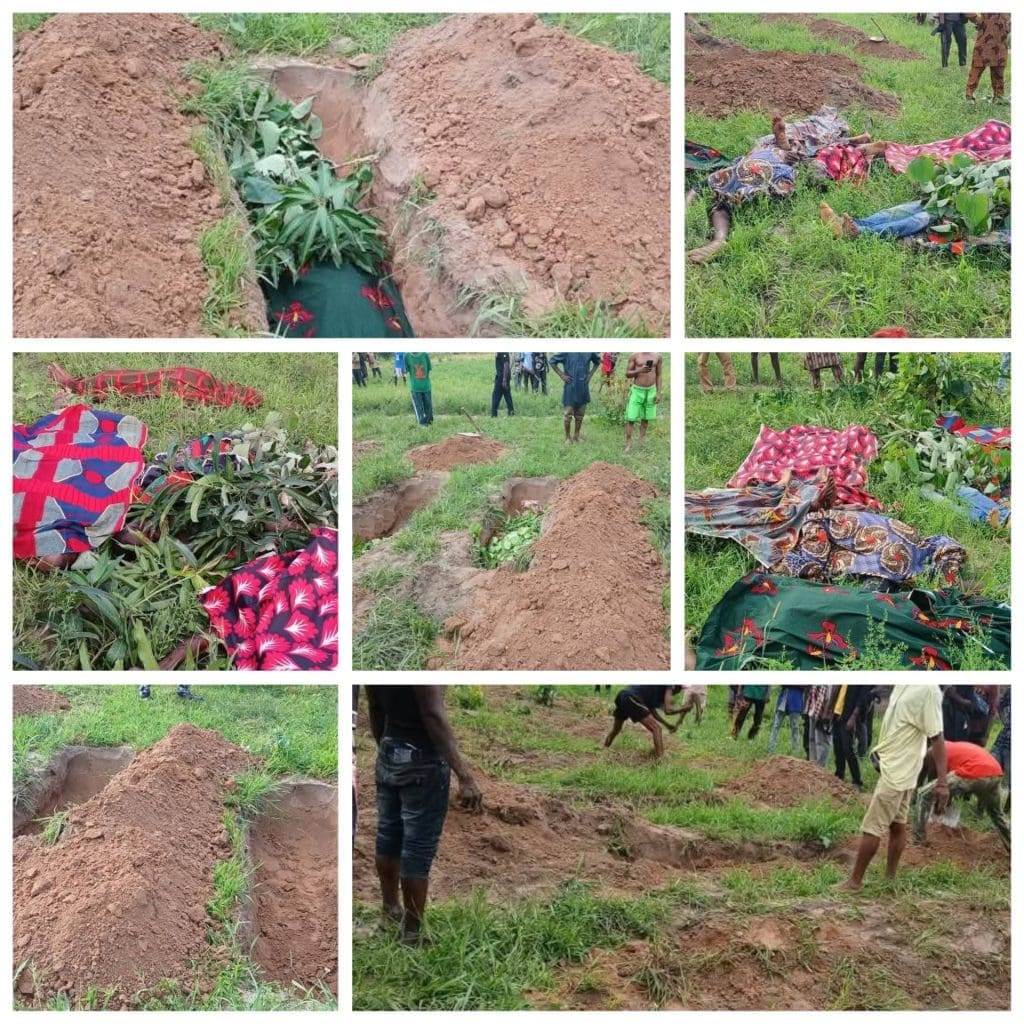
Credit: Ekani Olikita.
In neighboring Agatu, a County that has experienced repeated waves of violence since 2013—residents claim the attacks are not random but part of a broader Islamic agenda.
A community member in Okokolo village and former deputy chairman of Agatu LGA in an interview with TruthNigeria on Monday said, the terrorists are in Agatu for land grabbing and Islamization.
“They are here for land grabbing and Islamization. This is not just about clashes; it is organized and deliberate. People are afraid to return because the attackers often stay behind, occupy the land and hoist their Islamic flag after attacking and displacing Christian inhabitants”, Ikwulono told TruthNigeria
Local leaders and humanitarian workers report that many displaced families are now living in overcrowded camps or with relatives, relying heavily on aid for survival.
Gwer-West Residents Paint Heart-touching Pictures

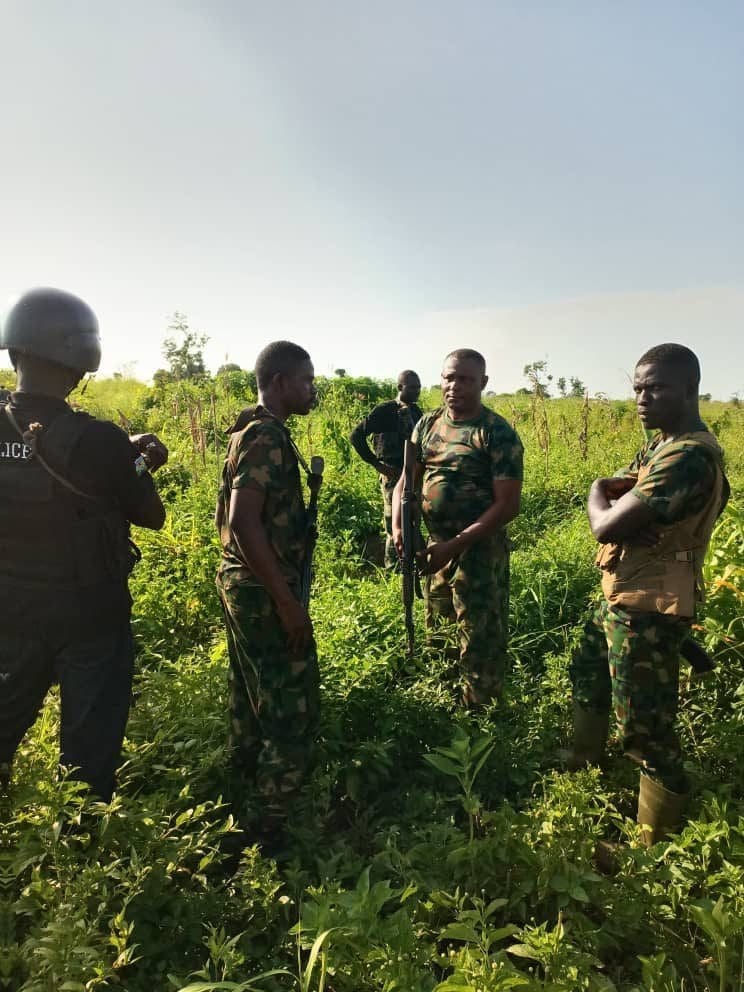
“The military is not doing enough,” says Damian Attah, a doctorate Student at the Benue State University and a native of Gwer-West.
We call for help during attacks, but response is either delayed or doesn’t come at all. Unfortunately, the same military will disarm our local youths the very first days they are deployed to our various communities but ignore the Jihadists.”
The resident added that the continued insecurity has eroded public confidence in authorities, leaving communities to organize informal self-defense measures despite limited resources.
“Our local youth volunteers can protect us, if allowed to carry automatic weapons. Let government do the needful”, Damian told TruthNigeria
Security Analysts warn that the crisis in Benue reflects a complex mix of factors: ethno-religious cleansing, competition over land, and climate pressures. However, they also acknowledge that the scale and coordination of recent attacks suggest a troubling escalation.
“What we are seeing in parts of Benue State goes beyond farmer-herder clashes,” according to Ukan Kurugh, a Nigeria-based security Analyst and Human Rights Advocate.
“There are clear indications of organized armed Fulani Jihadists exploiting weak security presence to assert control over rural territories. Without a sustained and strategic response, these areas risk becoming permanently destabilized and safe havens for terrorists,” Kurugh told TruthNigeria.
The analyst emphasized the need for improved intelligence gathering, rapid-response security deployment, and stronger collaboration between federal and local authorities.
For many residents, however, the crisis is deeply personal, measured not in statistics but in lost homes, fractured communities and an uncertain future.
As one displaced resident put it, “We don’t just want to survive. We want to go back home.”
Ekani Olikita is a conflict reporter for TruthNigeria.