
In-depth Investigation Needed: Expert
By Masara Kim and Luka Binniyat
(Jos) A devastating ambush in Plateau State has embarrassed officials and sparked calls for investigation after 14 soldiers and eight civilian guards were killed near the Bauchi–Taraba border.
As of March 20, the Nigerian Army headquarters in Jos has yet to issue any statement on the March 13 attack in Kanam County. Military analysts say the incident, carried out by an estimated 200 armed criminals from the Sahel, exposes deep flaws in Nigeria’s counter-terrorism operations and highlights systemic lapses in military judgement, according to experts consulted by TruthNigeria.
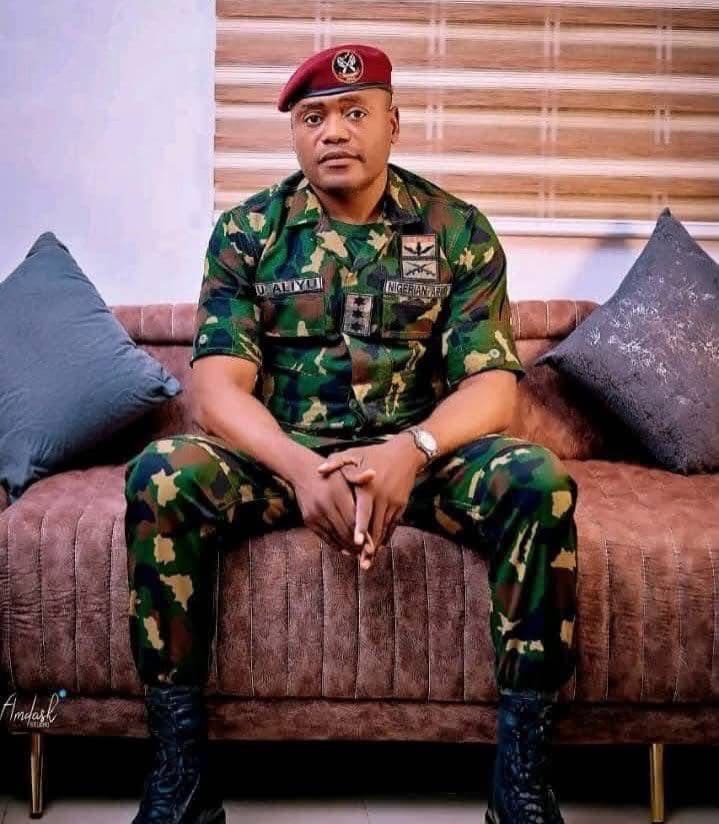
“I expect an in-depth investigation into that very terrible incident,” said retired Colonel Aliyu Danbaba, Managing Director of SignWell Consult in Abuja. “What’s more concerning is the failure of reinforcement. Given the proximity of air assets in Jos and Bauchi, delayed or absent close air support suggests either degraded communication links, lack of real-time intelligence feeds, or bureaucratic delays in authorization protocols.”
The ambush site is 65 miles southeast of Jos, near a forest belt that facilitates the movement of armed groups from the Sahel and other northern regions where U.S.-backed military operations are ongoing. Communities in this corridor have endured repeated attacks and kidnappings by militants who operate with “alarming freedom,” according to the Kanam Development Association. The attackers belong to a lethal ethnic force labeled “Fulani ethnic militia” by analysts with TruthNigeria.
In one of the latest instances on March 19th, terrorists armed with assault rifles stormed a village of 20-30 brick houses in the east of Kanam and kidnapped two women. Local sources say the attack at midnight was carried out by an estimated 10 terrorists on motorcycles who fired automatic rifles for several minutes to intimidate residents during their entry and exit.
The attack in the village of Dadin Kowa, located in the northeastern part of Garga district followed six days after a devastating ambush that killed 14 soldiers and eight civilian guards just 3 miles away. The terrorists swarmed the team of 30 soldiers and civilian guard volunteers during a routine patrol.
Civilian guard leader Suleiman Ayuba Dandak recounted joining the patrol reluctantly after a call from the army base in his town Garga. His team of 14 guards on seven motorcycles – two on each, accompanied 16 soldiers on two trucks and four motorcycles through several villages before being ambushed near an isolated village known as Wanka.
Dandak described being swarmed by more than 200 terrorists armed with assault rifles and riding 100 motorcycles.
“It was a miracle that some of us made it out alive,” Dandak told TruthNigeria. “We saw motorbikes—at least 50 from the south, another 50 from the north—each carrying two armed men. They trapped us in the center. They were shooting, and we were shooting,” Dandak said.

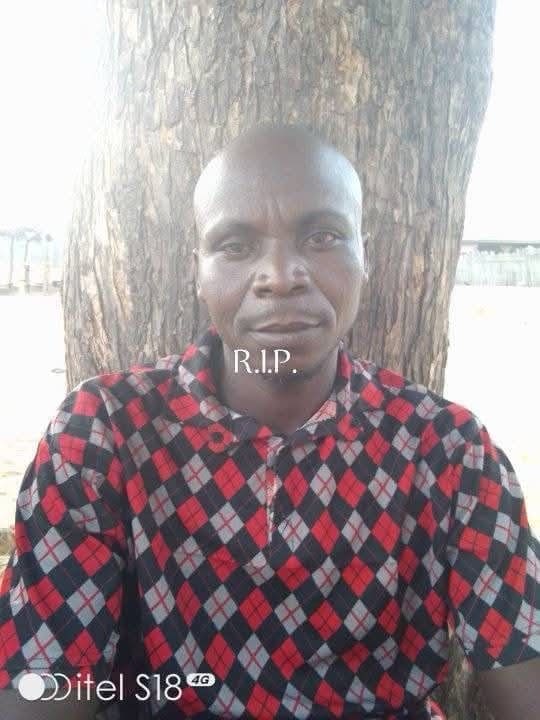
UNIDENTIFIED CIVILIAN GUARDS KILLED IN THE BATTLE OF MARCH 13 OUTSIDE JOS. PHOTOS COURTESY KANAM DEVELOPMENT ASSOCIATION. UNIDENTIFIED CIVILIAN GUARDS KILLED IN THE BATTLE OF MARCH 13 OUTSIDE JOS. PHOTOS COURTESY KANAM DEVELOPMENT ASSOCIATION. UNIDENTIFIED CIVILIAN GUARDS KILLED IN THE BATTLE OF MARCH 13 OUTSIDE JOS. PHOTOS COURTESY KANAM DEVELOPMENT ASSOCIATION.


Local leaders say Wanka, a remote farming town of 1,000 residents, has been under Fulani terrorists’ control for nearly a year. “Wanka is one of three communities that are officially no-go zones for our people in Garga,” said youth leader Isa Suleiman. “Many residents fled after repeated attacks and kidnappings. Some who stayed now live under militant control,” Suleiman told TruthNigeria by telephone.
The Kanam Development Association (KADA) stated in a press release, it has long warned of worsening terror threats in the area. “Despite repeated appeals, the crisis has continued to escalate beyond imagination,” wrote Chairman Nuhu Shehu and Secretary Garba Aliyu in a joint statement.
The patrol was intended to tour troubled villages before returning to base in Dengi, Kanam’s county seat. But despite warnings about unpredictable attacks, the commander mobilized 14 civilian guards alongside a 15-man infantry team with only one mounted machine gun.
Dandak recalled: “We first stopped at Dada village, then Kyaram, where the army met community leaders. As we approached Wanka, armed Fulani men tried to ambush us. The soldiers repelled them, but a few meters further we ran into a much larger force. We pushed them back until they retreated into Wanka. As the commander debated entering the town, suddenly motorbikes appeared.”
After intense fighting, Dandak escaped through a dry canal but watched comrades fall under fire. “I was fighting side by side with one of my men and a soldier. Right in front of me, they both fell. I tried to drag my member’s body while firing with one hand but was forced to let go,” he said.
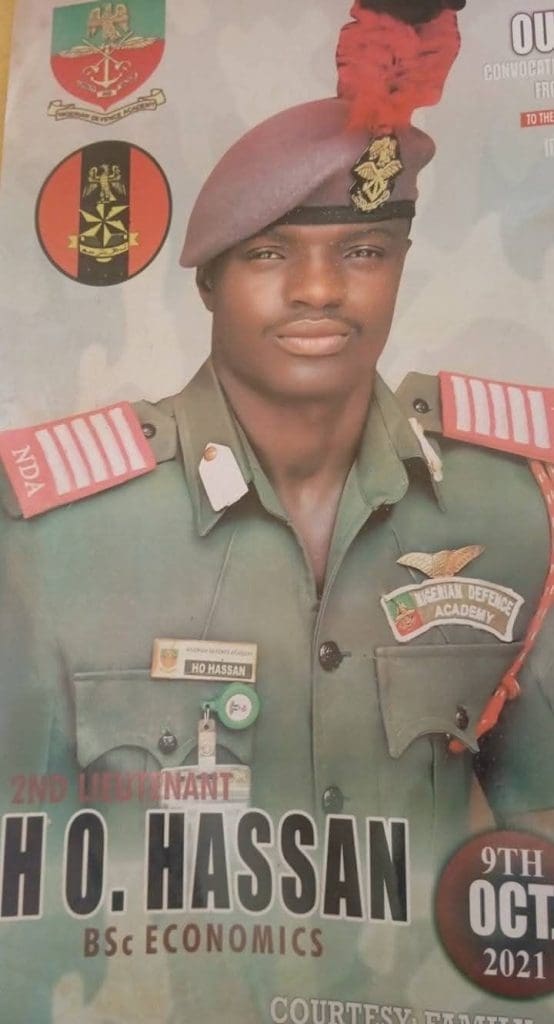
The army authorities in Jos are not responding to queries from TruthNigeria. But Local leaders report 22 fatalities—14 soldiers and eight civilian guards—whose bodies were recovered two hours later when reinforcements arrived from a base an hour’s drive away. The mission’s commander, a colonel, and his captain were among the dead. Many victims were found mutilated with machetes.
Governor Caleb Mutfwang in a statement expressed “deep concern” but praised the “bravery and sacrifice” of those killed. “Their courage remains a testament to their commitment to the safety of Plateau communities,” Mutfwang said in the statement issued by Joyce Ramnap, the State Commissioner for Information.
For Danbaba, however, the ambush reflects a “huge failure” of planning and operational intelligence. “The patrol as described was neither configured nor executed as a combat-ready mission in a high-threat environment,” he said. “Deploying a lightly protected convoy of about 15 soldiers, augmented by irregular civilian guards, into a known volatile axis without robust reconnaissance, flank security, or aerial overwatch is fundamentally unsound.”
“Entering a contested zone after prior contact, without consolidating, re-evaluating, or calling for reinforcement, suggests a breakdown in threat appreciation and situational awareness,” he added. “Pausing near Wanka while debating entry into a hostile settlement created vulnerability, allowing the enemy to completely envelop them.”
Danbaba stressed that the two-hour firefight without support points to systemic lapses in communications, quick reaction force readiness, and air-ground coordination.
“So many questions to answer,” wrote Scott Morgan, an independent security analyst to TruthNigeria after reading about the battle.
“Why weren’t there any messages sent back to base? Why weren’t any reinforcements on standby for a rapid response?” Morgan asked. “This detail suggests a mission that was poorly planned and despite the first attack, went ahead as if nothing ever happened. This could be a sign of arrogance or sign of poor communications within army units.”
Masara Kim is a senior editor for TruthNigeria. Both he and Luka Binniyat are veteran conflict reporters