
By Mike Odeh James |and Izhi Bitrus Adamu
(Donga) Fulani Terrorists shot dead four Christian farmers and three police officers in Taraba State Wednesday.
No government rescue came. Again.
The attack struck Tor-Damisa community in Donga County in southern Taraba State, at 2:00 p.m. local time. Fulani Ethnic Militia (FEM) opened fire on farmers in the open. Three police officers assigned to the village were gunned down trying to hold the line.
“Four bodies of our people have been recovered. Many are still missing, so I cannot say for sure if they are alive or not,” said Timothy Chia, a survivor.
He added: “Three policemen were killed. Lots of people have been injured and displaced.”
According to a press release by the Taraba State Police Command, “following a distress report received from Zaki Orbanga, a resident of Tordamisa, Akate Ward, armed men suspected to be bandits had attacked Tse Kwe village.”
A Sanctuary Turned Killing Field
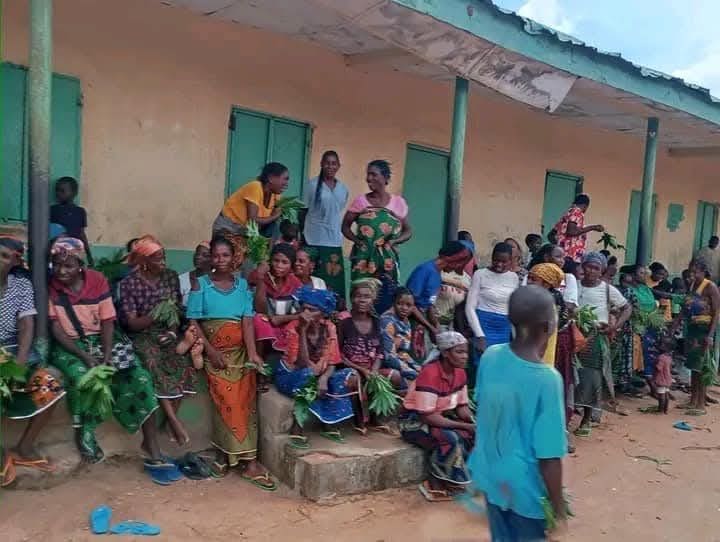
Tor-Damisa is home to the Tiv tribe — a native Christian farming people displaced from surrounding villages by years of militia violence. It was meant to be a refuge. It is now a target.
The attacks did not begin Wednesday. According to community spokesman Muyee Loreren Mulega, the militia campaign escalated sharply at the start of this year.
“January 9 and 10, 2026 was when we started seeing daily Fulani attacks in our villages,” Mulega told TruthNigeria.
The January 9 assault lasted 24 hours. By the time it ended, 27 people were dead and more than 20 villages had been emptied.
Mulega confirmed at least 50 additional Christians have since been killed across the surrounding communities. More than 5,793 displaced persons now shelter at the Tor-Damisa IDP camp.
Shallow Graves and Thatched Huts
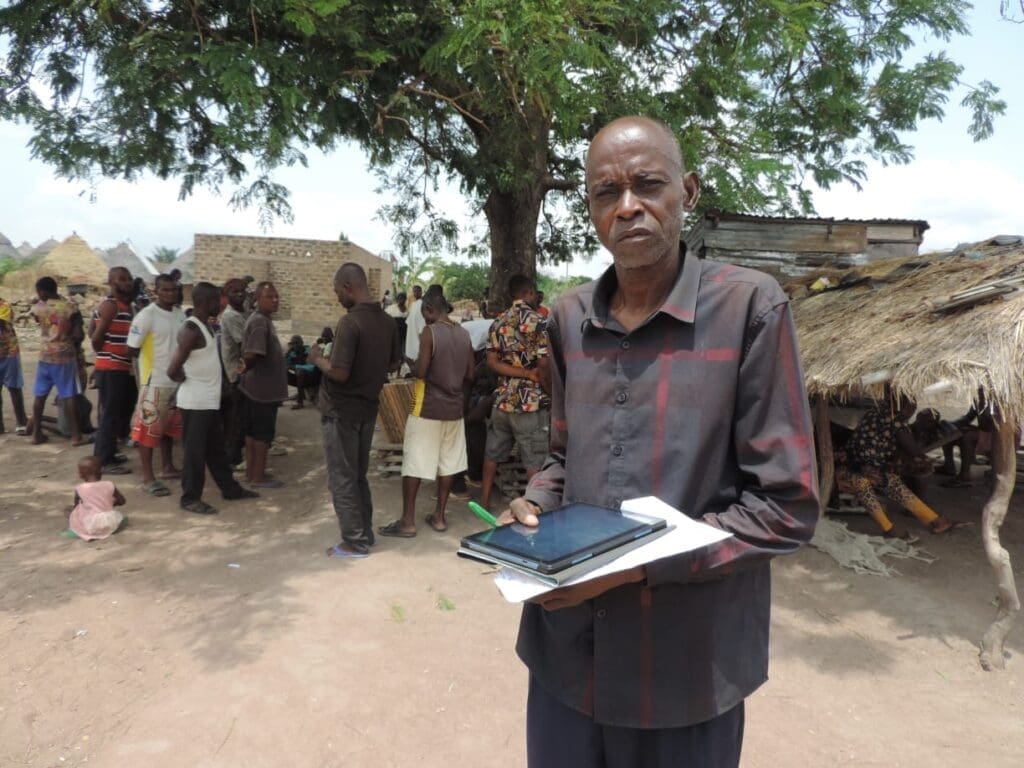
Sixty kilometers away in Amadu community, Chanchanji Ward, Takum County, TruthNigeria reporters heard the same story from displaced residents.
TruthNigeria reporters were shown no fewer than seven graves of Christian farmers killed by Fulani Terrorists in recent months. The dead were buried on camp grounds — without proper burial, without ceremony.
“Anytime our people go to the farms, they come back with sad stories of sexual harassment. The men are mostly killed,” said Pastor Ukeji Othniel Igdana of Living Faith Church, Amadu.
“Since 2019 we have been here. We have attempted going back to our ancestral lands but have been forced to leave by Fulani people. We built these thatched round huts because we do not know if we will go back home again,” he said.
Girls snatched from farms
On Saturday, March 14, more than 10 teenage Christian girls were abducted by Fulani Jihadists while attempting to harvest food in Chanchanji.
Residents said older women seized alongside the girls were released. The younger ones were taken into the bush. By nightfall, the teenagers returned home — without ransom, without explanation.
“It is an indication that the terrorists have their enclave nearby and are in need of women to satisfy their urges,” said Matthew Atoo, a security analyst in the region.
“Raping women signifies conquest and mockery of the natives,” Atoo added. The Fulani ethnic militia use such mass rapes to demoralize Christian residents and to discourage resistance to ethnic cleansing, according to sources who study Islamist takeovers in Nigeria.
Ethnic and Religious Extermination
“Fulani Ethnic Militia are the greatest killers of Christians in Nigeria,” said Adakole Adam of Adamson Security Consultancy Services, based in Takum, Taraba State.
Adam said the pattern is consistent: coordinated armed assault, forced displacement, and land seizure. Farming communities are the primary targets. State intervention is absent.
Destroyed villages now number in the dozens across Donga and Takum counties alone. Those sacked include Iornem, Agbough, Tse-Anger, Kwadam, Ikyahar, Uhura, Sangambe, Gbundu, Azegetso, Tse Akwe, Nyianlale, Kyaha, Nderamo, and more than a dozen others.
Washington must look beyond the Northeast
The Nigeria Terror Tracker Map, launched by Equipping the Persecuted and published at nttmap.org, documents verified anti-Christian attacks across Nigeria. It shows a pattern U.S. policymakers are studying.
“While America and the American government are focused on the northeast, the FEM has moved to the northwest, the Middle Belt, and the southwest,” warned Judd Saul of Equipping the Persecuted.
“If you allow the Middle Belt to be overwhelmed, all hope is lost,” said Rev. Dr. Sam Albert Magai of Kings Worship Chapel and Ministry, Sabo, Kaduna.
“I am urging American lawmakers to give more priority to the Middle Belt, which has one of the highest percentages of Christians in Nigeria,” Magai said.
Congress has spoken — Abuja must answer
Washington has taken notice. In December 2025, the House Appropriations Committee delivered a formal report to the White House on the slaughter of Christians in Nigeria. The report followed President Trump’s redesignation of Nigeria as a Country of Particular Concern.
House Foreign Affairs Committee Chairman Brian Mast declared the violence a deliberate campaign — not a resource dispute — aimed at driving Christians from ancestral lands in the Middle Belt.
Rep. Chris Smith (R-NJ), who chairs the Africa Subcommittee, called Nigeria the ground zero of religious violence and demanded U.S. pressure on the Tinubu administration to end impunity.
In Taraba State, impunity remains absolute. No arrests. No rescue. No accountability.
The bodies are counted. The graves are dug. The thatched huts multiply. The killers remain free.
Mike Odeh James and Izighe Bitrus Adamu are conflict journalist for TruthNigeria from the Middle Belt.