

By Onibiyo Segun
(Egbe, Kogi state) – Armed gangs attacked travelers in Kogi’s Yagba and Mopamuro areas, burning a cashew truck, shooting a bus driver and abducting seven people, deepening fear in a region already troubled by escalating criminal violence across Nigeria’s Middle Belt.
On February 28, a commercial vehicle travelling from Abuja toward Egbe was ambushed near the School of Nursing in Isanlu Makutu, Yagba East County (Local Government Area), TruthNigeria was told, Monday.
Witnesses told TruthNigeria that about nine gunmen emerged from roadside bush and opened fire before setting a cashew consignment ablaze.
Passengers escaped into nearby thickets.
“No one was hit, but they were shooting directly at us,” Funsho Alade, a trader who survived the ambush told TruthNigeria.
“We ran into the bush while they burned the vehicle.” Alade said.
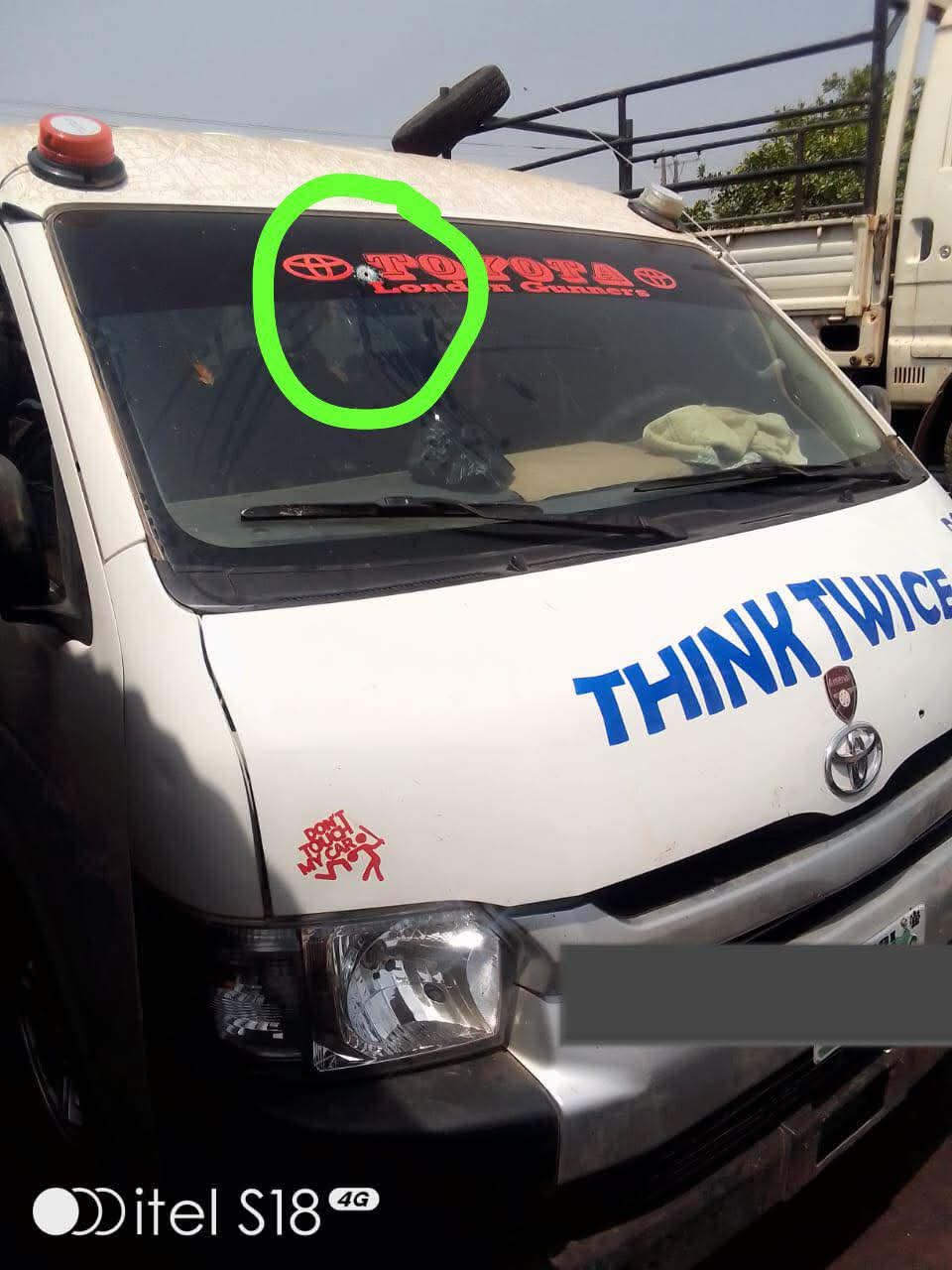
Less than 24 hours earlier, along the Ijowa–Ijagbe axis in Mopamuro county, gunmen attacked an 18-seater commercial bus.
A driver and eyewitness told TruthNigeria the driver was shot at close range and critically injured. Six passengers – five men and one woman, were forced into the surrounding forest.
“They came out suddenly and started firing. The driver slumped. They dragged people into the bush,” Busari Oluwole told TruthNigeria.
In a third incident reported by Egbe Mekun Media, a farmer known locally as Agbeji was abducted from his farm in Odo-Eri, Yagba West County.
His whereabouts remain unknown. No group has claimed responsibility.
But some local accounts described the attackers as “believed to be Fulani,” but security agencies have not confirmed ethnicity, structure, or motive.
Corridor Under Pressure
Kogi’s rural highways have increasingly become flashpoints for terrorist activities, kidnappings and armed raids, reflecting a broader North-Central security challenge where criminal gangs exploit dense forests and limited patrol coverage to ambush travelers.
A Daily Trust investigation report described Kogi as a “gateway under attack,” highlighting how its transit corridors linking northern and southern Nigeria have repeatedly been targeted by kidnappers operating from forest belts along major highways. Western Kogi is an operating area for Boko Haram splinter groups.
Kogi is in Nigeria’s Middle Belt – a strategic transit zone connecting the country’s Muslim-majority north with predominantly Christian southern states.
Control of its highways affects agricultural supply chains, mineral transport, and inter-state commerce.
The United Kingdom’s travel advisory warns of kidnapping risks along Nigerian highways, underscoring that the threat extends beyond isolated communities and affects major road networks nationwide.
Data from neighboring Kwara State, which shares forest boundaries with Kogi, illustrates the scale of rural vulnerability.
The International Centre for Investigative Reporting documented more than 207 killings and at least 177 abductions in Kwara within the first ten months of 2025, largely concentrated in forest-border communities with limited security presence.
In response, Kwara authorities deployed forest guards to deny the kidnappers sanctuary – an acknowledgment that wooded terrain provides tactical advantage to criminal groups, reports Premium Times.
Differentiating Criminal Gangs from Terror Groups
Security analyst Chukwu Emeka told TruthNigeria the pattern in Kogi resembles organized ransom-driven criminality rather than confirmed Islamist insurgency.
“These are highway ambush tactics – quick strike, rapid withdrawal into forest cover,” Emeka said.
“There is no verified evidence at this time linking these specific incidents to Boko Haram, ISWAP, Ansaru, or Lakurawa,” Emeka added.
Boko Haram (Education is forbidden) and its offshoot, Islamic State West Africa Province (ISWAP), operate primarily in northeastern Nigeria, whereas Ansaru has historically maintained cells in parts of the northwest.
Lakurawa, a smaller militant formation reported in some northern areas, has not been independently confirmed in Kogi’s Yagba corridor, whereas Ansaru is there.
Aisha Bello, a West Africa security researcher, emphasized the importance of precision.
“When communities use ethnic labels without confirmed intelligence, it complicates investigations and fuels tension,” Bello told TruthNigeria.
“Kidnapping for ransom in North-Central Nigeria is often a profit-driven criminal enterprise, not necessarily ideological jihad.” Bello explained.
“Their distinction is critical. Conflating bandit gangs with structured terror groups risks misdirecting both public understanding and operational strategy,” Bassey Ekanem, a counter-terrorism analyst based in Akwa Ibom told TruthNigeria.
Economic and Human Toll

Cashew trading is a major seasonal livelihood for farmers and transporters in Kogi.
Attacks on produce vehicles disrupt supply chains and threaten household income.
According to commercial driver Vincent Olaolu, “We carry farm produce, not weapons. But now every journey feels like a gamble.”
Another farmer in Odo-Eri says the kidnapping of Agbeji has deepened fear in already isolated communities.
Arinade, a neighbor to the kidnapped farmer said, “We cannot stop farming. But we cannot defend ourselves against rifles.”
Across Nigeria, similar patterns are visible.
In Zamfara State, armed groups recently killed dozens of villagers in coordinated rural raids, underscoring how criminal violence spreads where forest cover and weak policing intersect.
Security Response and Accountability
Security forces have recorded successes elsewhere.
Troops recently foiled a kidnapping attempt along the Enugu–Otukpo Road and rescued travelers, demonstrating that rapid intervention can disrupt armed operations.
However, as of publication, the Kogi State Police Command has not issued a detailed public briefing on the Yagba and Mopamuro incidents.
Residents say delayed communication fuels speculation and anxiety.
Experts urge layered response: mobile patrol dominance, permanent checkpoints in vulnerable stretches, aerial surveillance where possible, and disruption of informant networks that guide ambush timing.
Analysts warn that unchecked highway raids can evolve – targeting larger passenger vehicles, coordinating simultaneous ambush points, or increasing ransom demands through structured negotiation intermediaries.
Preventing escalation requires sustained patrol visibility, forest denial operations, and transparent public updates from security agencies.
For now, Kogi’s highways remain tense. Traders reconsider routes as kidnappings and killings by terrorists continue.
Farmers scan tree lines before stepping onto fields. And families wait for news of the missing.
Onibiyo Segun reports on terrorism and conflicts for TruthNigeria.