
Abuja Rejects Persecution Accusations after U.S. Lawmakers Urge Sanctions. US Congressional report proposes security reforms and economic pressure on Nigeria.
By Mary Kiara
(Abuja, Nigeria) – Nigerian leaders are rejecting accusations of religious persecution after U.S. lawmakers urged sanctions and security reforms in response to escalating attacks on Christian communities in the West African nation.
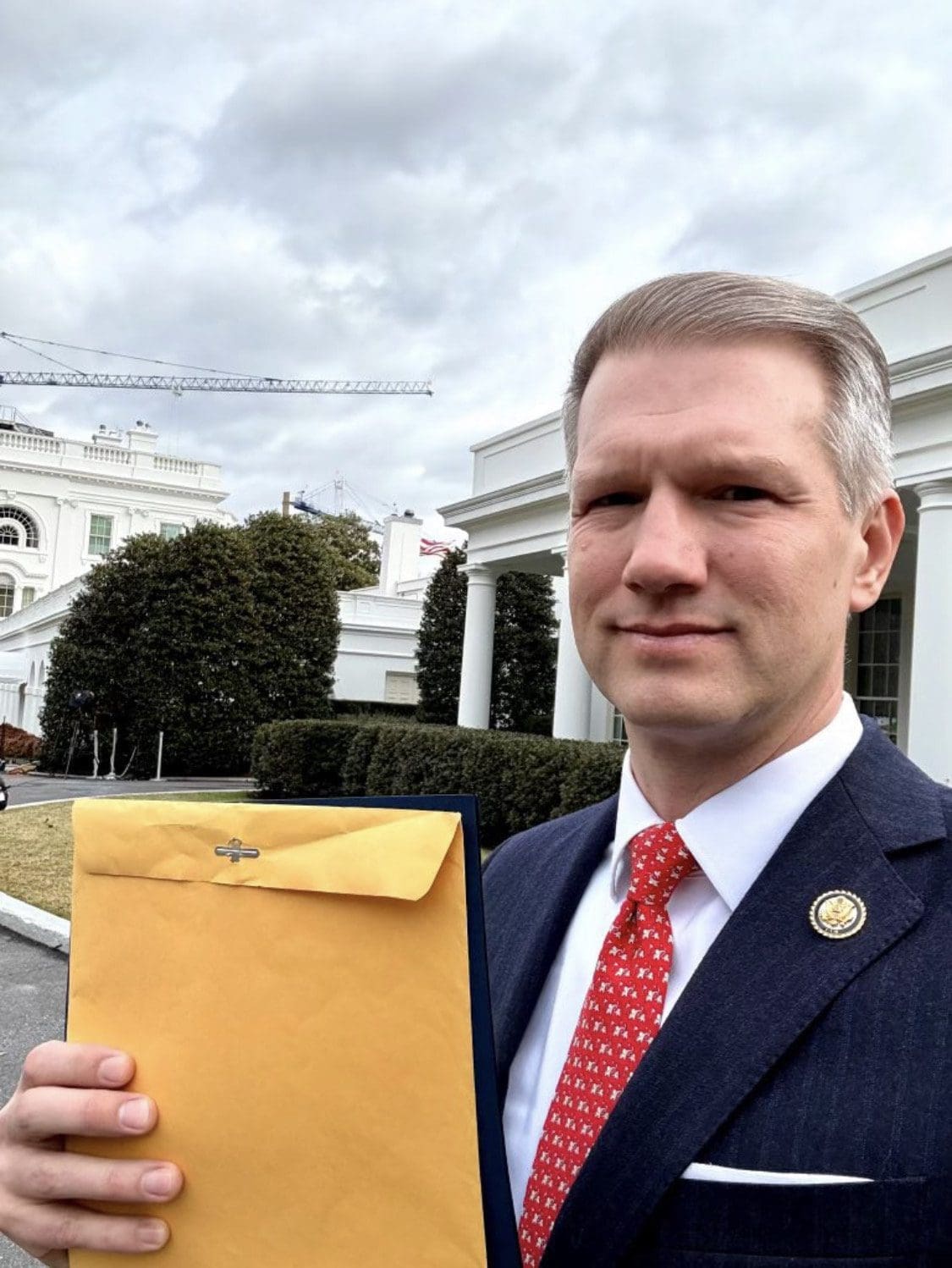
The recommendations appear in a congressional report led by U.S. Rep. Riley Moore and submitted to the White House after a months-long investigation into religious killings and mass displacement in Africa’s most populous nation.
The report describes Nigeria as the “deadliest place in the world to be a Christian” and outlines diplomatic and security measures that could reshape relations between Washington and Abuja.
Nigeria’s government disputes the allegation.
“Nigeria does not have, and has never had, a state policy of religious persecution,” Mohammed Idris, the information Minister said in an official statement.
Idris said militant violence across Northern Nigeria stems from terrorism, organized criminal activity and communal conflicts rather than religious targeting.
Washington’s Policy Prescription
The congressional findings follow President Donald Trump’s October 2025 redesignation of Nigeria as a Country of Particular Concern (CPC) under the U.S. International Religious Freedom Act.
The designation allows the U.S. administration to impose sanctions or restrict security assistance if religious freedom violations continue.
Moore said the investigation included congressional hearings, fact-finding visits to Nigeria, and consultations with displaced civilians, clergy, and Nigerian officials.
“This report outlines concrete actions to end the persecution of Christians in Nigeria and counter growing extremist violence in the region,” Moore said in a statement posted on X after delivering the report to the White House.
Among the recommendations outlined in the report:
• A formal U.S.–Nigeria security agreement to protect vulnerable Christian communities
• Visa bans and sanctions against individuals responsible for religious violence
• Review of Sharia-based criminal codes and blasphemy laws
• Possible terrorist designation review of armed Fulani militia networks
• Conditioning certain U.S. assistance on measurable progress protecting religious freedom
Moore said the investigation produced “a clear picture of the threat environment.”
Abuja’s Pushes Back
Nigeria’s federal government has emphasized cooperation with Washington while rejecting claims of systematic persecution.
“Nigeria values its longstanding and strategic partnership with the United States,” Idris said in the statement.
But Nigerian political commentators say the congressional report does not yet represent binding U.S. policy.
Reuben Abati, a former presidential aide and political analyst, told TruthNigeria the report reflects legislative findings rather than an executive decision.
“The United States has not adopted that report. The government of Donald Trump has not made any pronouncement on it,” Abati said in a statement shared with TruthNigeria.
“What has been submitted is an investigative committee’s report. Its policy significance will depend on what the White House decides to do.”
Sharia Debate
One of the most controversial recommendations in the congressional report calls for Nigeria to repeal Sharia-based criminal codes and blasphemy laws.
Abati said such action would face constitutional limits.
“Sharia is a constitutional matter,” Abati said.
“The president cannot unilaterally abolish it. Any change would have to go through constitutional amendment procedures.”
He added that debates surrounding Sharia often centers on how the laws are applied rather than their existence.
“The issue is not simply the presence of Sharia law,” Abati said. “The concern is the way it is sometimes interpreted or abused.”
Sanctions and Economic Leverage
The congressional report also proposes economic pressure mechanisms.
Under CPC authority, the White House can impose sanctions, restrict foreign military sales, or issue directives naming individuals responsible for religious violence.
The report recommends additional measures including:
• Expanded anti-money-laundering cooperation targeting terrorist financing
• Increased U.S. Development Finance Corporation investment in violence-affected regions
• Trade leverage tied to armed militia disarmament
• Greater oversight of U.S. assistance programs in Nigeria
Analysts say the proposals elevate religious-freedom concerns into a broader strategic debate in U.S.-Nigeria relations.
Scale of Allegations
Figures cited in the congressional submission describe widespread violence affecting Christian communities.
According to the report:
• More than 7,000 Christians were killed in Nigeria in 2025
• Approximately 19,000 churches have been destroyed since 2009
• More than 250 clergy members have been killed in the past decade
• Millions of civilians remain displaced from their homes
Nigerian officials reject interpretations suggesting state involvement, pointing to ongoing military operations against Boko Haram and Islamic State West Africa Province.
Accountability vs. Optics
Some international advocates say Nigeria should focus on addressing violence domestically rather than managing diplomatic fallout.
Emmanuel Ogebe, International human rights lawyer told TruthNigeria the government should reconsider spending on foreign lobbying while attacks continue.
“I believe they should cancel whatever lobby contract exists and spend on fixing the problem instead of whitewashing it,” Ogebe said in an interview with TruthNigeria.
What Happens Next
Analysts say the ultimate impact of the report depends on whether the White House adopts its recommendations.
Aba Anuhe, a retired journalist and political commentator, in an interview with TruthNigeria said, “If the White House operationalizes Moore’s recommendations, including sanctions triggers or terror designations, Nigeria could face its most consequential religious-freedom policy test in decades.”
“If that does not happen, the report risks becoming another congressional warning without enforcement.”
“The Tinubu administration may eventually have to recalibrate before congressional pressure becomes executive policy,” Anuhe said.
Mary Kiara reports on terrorism and religious-freedom policy for TruthNigeria.