
Security Experts: Attacks Near Abuja Indicate Structured Militia Networks, Not Local Disputes
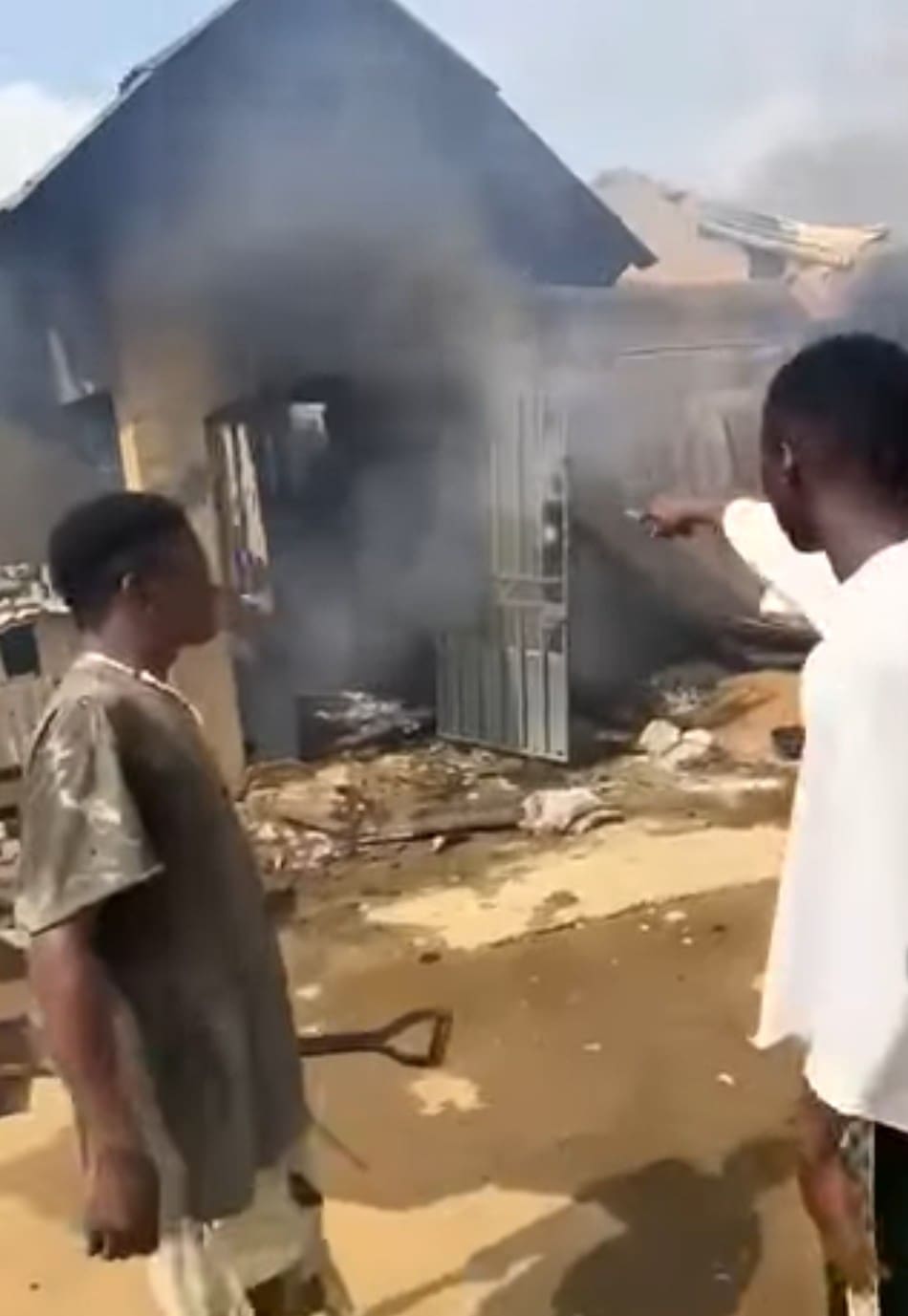
Fulani militia fighters killed six villagers near Abuja Wednesday, burning homes and forcing residents to flee into nearby bush, police and eyewitnesses told TruthNigeria.
The attack in Aso ‘A’ community, Mararaba, about 30 kilometers southeast of Abuja, reflects a pattern that security analysts say reflects increasingly coordinated armed raids moving closer to the capital along transit corridors linking Nasarawa and Benue states.
The town lies along routes heavily used for both civilian and commercial transport, amplifying the strategic impact of these attacks.
Police and local sources confirmed the deaths, though authorities have not released the identities of victims. Early reports of the incident were also carried by local media, including <a href=”https://dailypost.ng/2024/03/27/suspected-herdsmen-attack-nasarawa-community-kill-residents/”>Daily Post Nigeria</a>.
Analysts: ‘Fulani ethnic militias are highly organized and lethal‘
Security analysts who spoke to TruthNigeria say the Mararaba killings reflect a shift from sporadic clashes to organized militia operations across Nigeria’s Middle Belt.
Dr. Musa Ekene, Senior Security Analyst at the Nigerian Institute for Policy Research, Abuja, told TruthNigeria: “These groups operate as coordinated networks. They strike pre-dawn, use motorcycles for rapid movement, wield rifles and machetes, and withdraw before police can respond.”
Ekene added that while these militias operate separately from jihadist groups like Boko Haram and ISWAP, “their operational sophistication, coordinated raids, arson, and civilian targeting is increasing.”
Dr. Amina Bello, Professor of National Security Studies at the University of Lagos, said the violence has moved beyond farmer-herder disputes. “Communities are terrorized, schools disrupted, and food production undermined.”
Dr. Chinelo Uwa, Senior Lecturer in Conflict Resolution at Ahmadu Bello University, Zaria, said the expansion toward Abuja shows strategic intent: “The operational footprint is expanding systematically. These militias are demonstrating mobility, coordination, and intelligence gathering — attributes previously associated with organized insurgent groups.”
Dr. Aisha Mohammed, Research Fellow at the Centre for Strategic Studies, Abuja, added: “Fulani ethnic militias are highly organized and lethal. Failing to act decisively allows them to expand and regroup. Without targeted operations, acts of mercy only prolong the violence, making the war against terror seem endless.”
Police Confirm Attack, Deploy Tactical Units
The Nasarawa State Police Command confirmed the killings and destruction. Deputy Commissioner of Police Samuel Ibrahim, Police Public Relations Officer, said officers were deployed to secure the area and assess casualties.
Tactical reinforcements were sent to pursue fleeing attackers and stabilize the community. Police also confirmed multiple homes were burned. Additional details were reported by <a href=”https://dailypost.ng/2024/03/27/nasarawa-police-confirm-attack-deploy-tactical-units/”>Daily Post Nigeria</a>.
Eyewitness Accounts: Chaos and Fear
Residents described attackers moving in waves, firing into homes and setting buildings ablaze.
“They shot people inside their houses and chased others into the forest,” a resident of Mararaba, Esther Onuh, told TruthNigeria.
Videos circulated on social media show smoke rising over Mararaba as residents fled, highlighting the scale of destruction. One such video appeared on Instagram: <a href=”https://www.instagram.com/reel/C5exampleMararabaAttack/”>instagram.com/reel/C5exampleMararabaAttack</a>.
Local vigilante groups attempted to repel the attackers but were overpowered by superior firepower.
Daniel Okechukwu, a local coordinator, told TruthNigeria: “We tried to defend our community with what we had, but they came with guns and burnt homes.”
Why Security Experts See Abuja Within Militia Reach
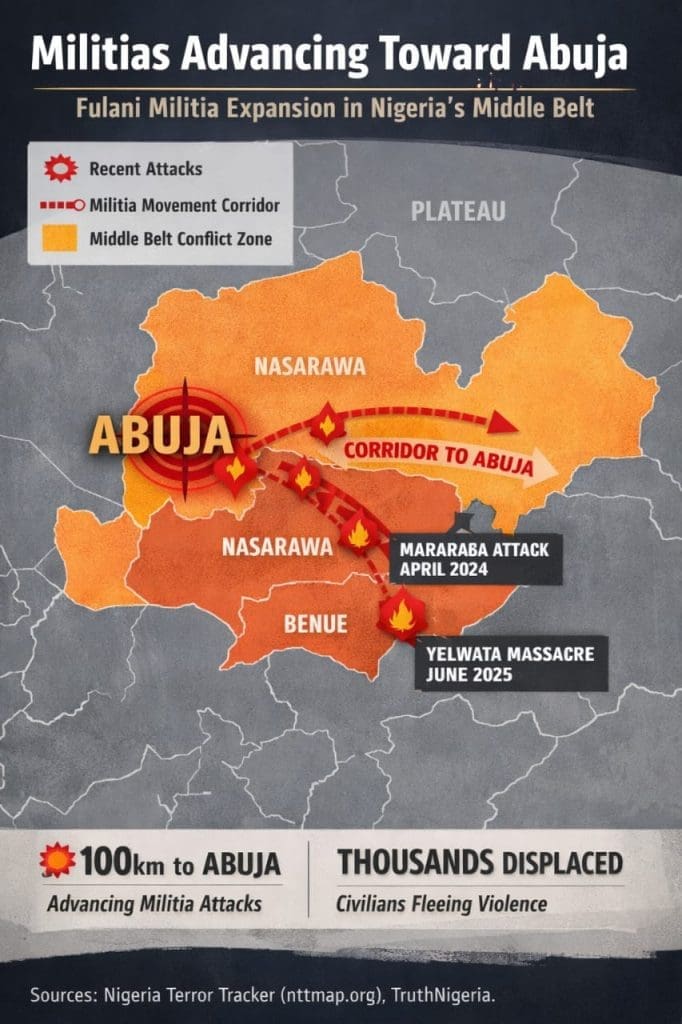
The Mararaba attack is part of a strategic expansion of Fulani militias toward the Federal Capital Territory. Analysts note several factors:
Geography and Mobility: Roads connecting Nasarawa and Benue to Abuja allow militias to strike rural communities while remaining mobile.
Operational Sophistication: Coordinated raids, use of motorcycles, and tactical timing demonstrate planning beyond local disputes.
Testing Security Response: Repeated attacks near Abuja probe readiness and expose gaps in policing and military deployment.
According to <a href=”https://nttmap.org”>Nigeria Terror Tracker</a>, attacks across the Middle Belt frequently involve dawn raids, arson, and rapid withdrawal, with patterns now approaching the capital.
Past incidents illustrate the escalating trend:
• November 2025, Nasarawa: Residents blocked the Makurdi–Lafia–Abuja highway after militia killings. <a href=”https://truthnigeria.com/nasarawa-residents-protest-killings-highway-blocked/”>TruthNigeria coverage</a>.
• June 2025, Yelwata, Benue: Scores killed, thousands displaced. <a href=”https://apnews.com/article/nigeria-benue-massacre-yelwata-attack”>AP News report</a>.
Analysts emphasize that these raids are premeditated, exploiting governance gaps and weak rural security.
Humanitarian Fallout
Displaced families from Mararaba remain in bush areas without shelter or organized aid. Children are crying, food is scarce, and residents fear returning home.
Community leaders who spoke to TruthNigeria stress urgent humanitarian intervention to prevent prolonged displacement and food insecurity.
Policy Recommendations
Experts like Colonel Dakor Maxwell advocate for intelligence-led interventions:
• Targeted operations to dismantle militia networks
• Enhanced rural policing along key corridors
• Early-warning systems using Nigeria Terror Tracker data
• Integration of formalized vigilante groups with security operations
Dr. Mohammed warned, “Failure to act decisively allows militias to regroup. Without sustained operations, the cycle continues, threatening Abuja’s periphery and national security.”
Strategic Implications
The proximity of attacks to the capital poses risks beyond local communities. Analysts like Air Commodore Darlington Abdullahi, a disarmament expert based in Abuja, note:
• Psychological impact on commuters and residents
• Disruption of food supply chains
• Exposure of federal response gaps
The Mararaba attack demonstrates that Abuja is no longer insulated from organized militia operations. Abdullahi warns that without immediate, coordinated action, the Federal Capital Territory could increasingly fall within the operational reach of these armed groups.
Onibiyo Segun reports on terrorism and conflict for TruthNigeria.