
“The attackers were Fulani, led by Zakari, a man we once sheltered,” — Resident
“We have ordered our fighters to withdraw after appeals by the State government,” — Fulani Militia Leader
By Ekani Olikita
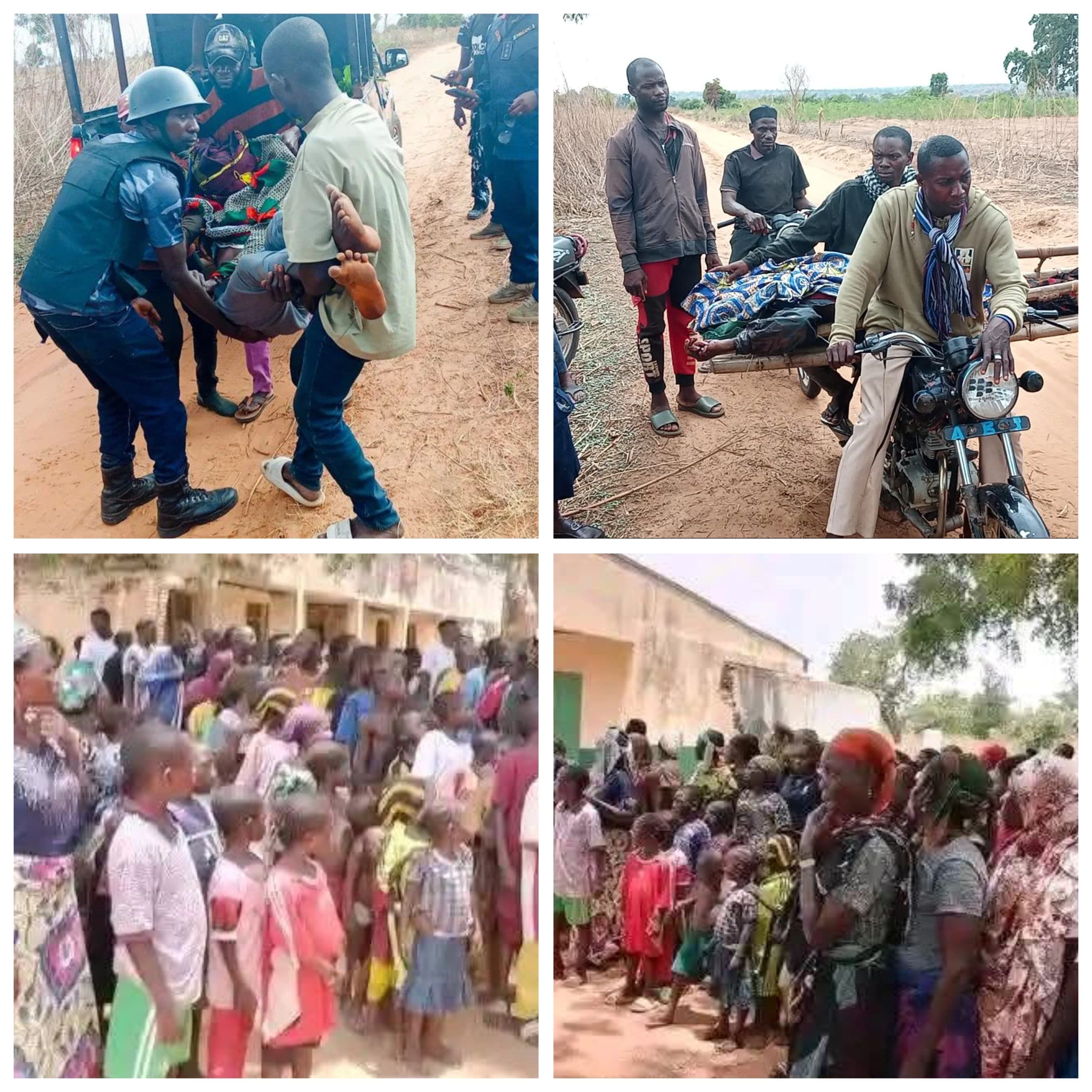
At least 11 people have been confirmed dead following coordinated attacks on predominantly Christian communities in central Nigeria’s Nasarawa State, according to police and local sources.
The violence, which unfolded over two days, Thursday, April 2 and Friday, April 3, 2026, targeted the communities of Gidan-Ogiri (Sabon-Gida), Udeni-Gida, Akyewa, and Udege-Kasa in Nasarawa County (Local Government Area.)
Residents say about 200 heavily armed Fulani Ethnic Militia fighters stormed the villages, killing civilians and burning more than 50 homes.
The Nigerian Police confirmed the death toll but have yet to provide detailed information about arrests or accountability.
Residents Dispute “Communal Clash” Narrative
Several Nigerian mainstream media outlets described the violence as a “communal clash” or a “reprisal attack.” For example, Punch reported the attacks as communal clashes, Channels Television described the attacks as a reprisal and the perpetrators as hoodlums, Vanguard said the coordinated attacks were communal clashes. While Zagazola followed suit as it describes the deadly attacks as communal clashes too.
But residents insist the incidents were coordinated assaults carried out by Fulani Ethnic Militia.
Survivors describe a well-planned offensive involving dozens of motorcycles and heavily armed attackers who overwhelmed local defenses.
Abu Ibrahim, a Christian resident of Udege-Kasa, said the attackers were led by a man known to the community.
“We got information around 2 p.m. that Fulani militia were coming. We evacuated women, children and the elderly. Soon after, more than 100 armed men arrived on over 50 motorcycles, shouting and shooting,” Ibrahim said in a phone interview with TruthNigeria.
“They were led by Zakari, a Fulani man who had lived among us for years. Our youths tried to resist, but we were overpowered. Eleven bodies have been recovered, and many people are still missing.”, he added
Residents say the scale, coordination and weaponry used in the attacks suggest a level of organization inconsistent with spontaneous communal violence.
Militia Leader Acknowledges Attacks
In a rare admission, a Fulani militia commander, Yahaya Ahmed, confirmed the attacks and said fighters had since withdrawn following intervention by the state government.
“We have deployed our men back home after a meeting with the Deputy Governor of Nasarawa State. We agreed to pull back in the interest of peace”, Ahmed told an undercover TruthNigeria Investigator.
The statement suggests at least some level of centralized command and negotiation, further complicating the narrative of the violence as merely communal.
Lawmaker Condemns Violence
A local lawmaker representing the Udege/Loko constituency, Onarigu Onah Kana, condemned the attacks and confirmed the casualty figures
“Yes, these barbaric and unacceptable attacks took place. More than 11 residents were killed,” Kana said. “I have visited the affected communities and security forces have now been deployed to restore calm.”
Residents, however, say security forces arrived only after the attackers had withdrawn, a recurring complaint in similar incidents across the region.
Broader Security Concerns
The attacks come amid growing concerns about insecurity in central Nigeria, where rural farming communities have repeatedly been targeted by armed Fulani Ethnic Militia.
Previous investigations by TruthNigeria have described Nasarawa State as an emerging hotspot for cross-border militant activity, though state officials have rejected such claims.
According to data from the Observatory for Religious Freedom in Africa, Fulani militia groups have been linked to nearly 24,000 civilian deaths over a recent four-year period, making the conflict one of the deadliest in Nigeria’s modern history.
Expert Analysis
Security analyst and a retired Police Officer, CSP Mambo John, said the Nasarawa attacks reflect a troubling pattern of organized violence often mischaracterized in public discourse.
“Labeling these incidents as ‘communal clashes’ obscures the asymmetry involved”,
“What we are seeing in many of these communities are coordinated, well-armed assaults against largely defenseless rural Christian populations. The failure to accurately describe the threat delays appropriate security responses and undermines accountability”, Mambo told TruthNigeria
He added that the apparent ability of militia leaders to negotiate withdrawals with government officials raises deeper questions about the structure and influence of armed groups operating in the region.
Lingering Fear Among Residents
Despite the reported withdrawal of militia fighters, fear remains high among displaced residents, many of whom have lost homes, relatives, and livelihoods.
Community members say they are hesitant to return without sustained security presence and assurances that attackers will not regroup.
For now, the affected villages remain tense, with survivors calling for greater protection, justice for victims and a more accurate portrayal of the violence they say continues to devastate their communities.
Ekani Olikita is a conflict reporter for TruthNigeria.