
Budget records show N10bn allocated to Boko Haram reintegration in 2024–2025, while 120,000 displaced Christians report zero state support and worsening hunger.
By: Luka Binniyat
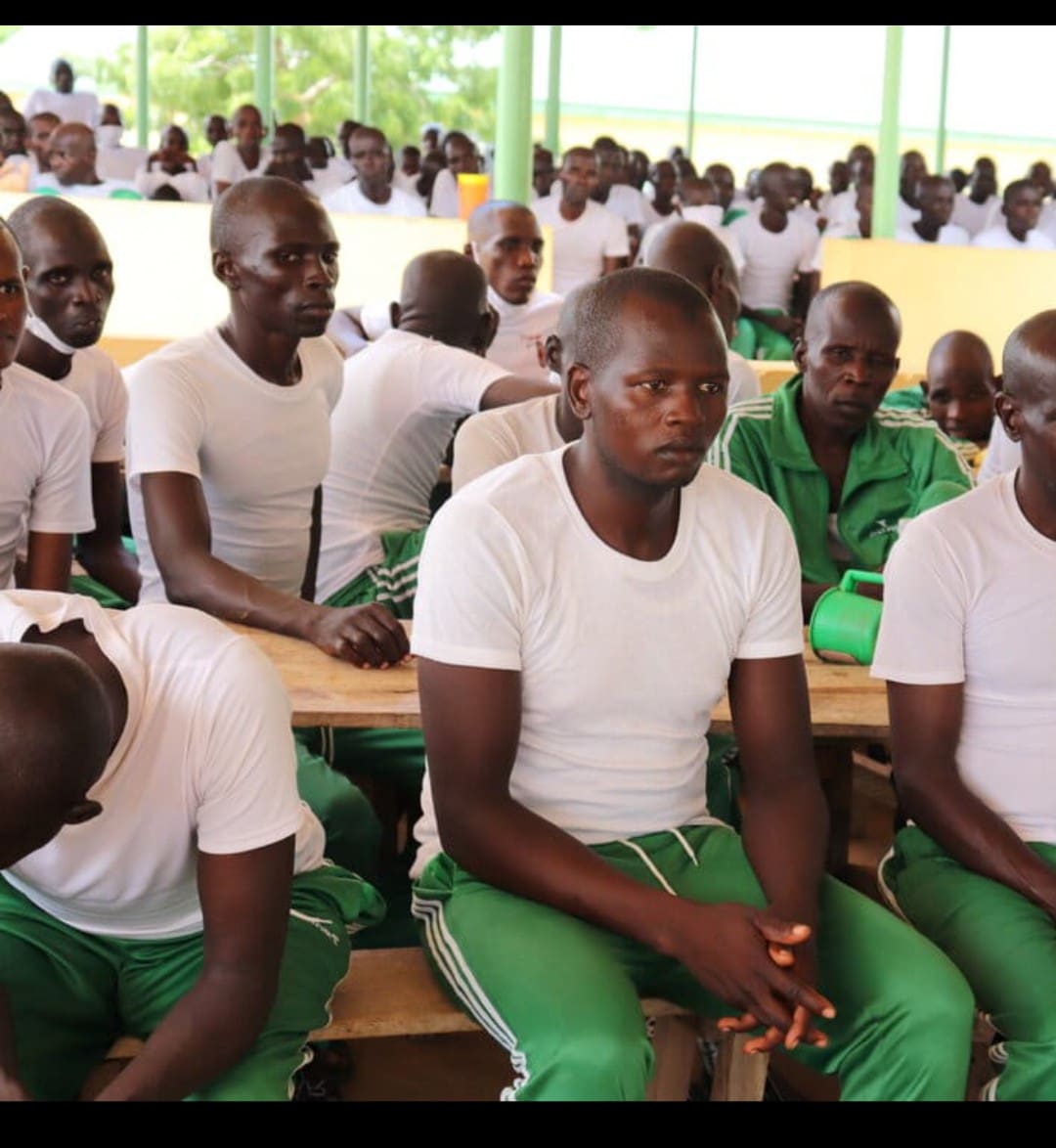
KADUNA — Borno State has spent at least N10 billion ($7 million) on the rehabilitation and reintegration of “repentant” Boko Haram fighters in just two years, even as more than 120,000 Christian survivors of the insurgency languish in squalid displacement camps with no budgetary provision for their welfare, a TruthNigeria investigation has found. The revelations mirror a similar pattern uncovered in Benue State last month, where government resources were also directed toward rehabilitating armed militants while Christian victims remained abandoned in IDP camps.
Since Boko Haram launched its insurgency in 2009, the conflict has killed between 35,000 and 40,000 people directly, according to UN and security analyses, with broader estimates placing total deaths—including those from hunger, disease, and displacement—at more than 300,000. The violence has uprooted over 2.9 million people across Nigeria, leaving Christian communities in Borno among the hardest hit and most neglected.
Controversial DRR Scheme
Despite the scale of the devastation, the Nigerian government has continued to expand a controversial De‑radicalisation, Rehabilitation and Reintegration (DRR) programme that grants state pardon, housing, stipends, and vocational support to insurgents who claim to have renounced violence. Launched in 2016, the scheme has drawn sharp criticism from Christian communities who say it rewards perpetrators while leaving their victims to fend for themselves in overcrowded camps with no comparable assistance.
“It is a program that is insulting and spiteful of our plight,” lamented Ishaku Christopher, 57, from Kuchingoro, Internally Displaced Persons (IDP) Camp in Abuja. “These evil people killed our people, destroyed our communities and forced us into homeless for over 14 years with not a single care about our welfare by our government.”
Christopher’s anger is borne out by the state’s own financial records. A SaharaReporters review of Borno’s 2025 budget performance shows that between January and September alone, the government spent N2.6 billion ($1.8m USD) on “livelihood support for repentant Boko Haram members,” making the welfare of ex‑fighters one of the most heavily funded capital items of the year. Yet the same documents contain no provision for the welfare of displaced Christian communities who have lived in camps for more than a decade.
Further analysis of Borno’s appropriations shows that the 2025 budget allocated N7.46 billion to the reintegration, disarmament, and demobilisation of repentant Boko Haram members — ranking it among the state’s seven most expensive capital projects for the year. In 2024, the programme received another N3.45 billion, all of which had been fully spent by September. In total, Borno devoted roughly N10 billion ($7 million) to the welfare of ex‑fighters across the two years, even as displaced Christian communities received no comparable support.
Zero dollars for IDPs
A thorough review of the same budget documents shows no allocation whatsoever for the welfare of the more than 120,000 displaced Christians in Borno. Despite being uprooted by the very insurgents the state is now funding to rehabilitate, these communities received zero naira in direct support for food, shelter, healthcare, or resettlement. Humanitarian agencies, including the Italian‑based group Intersos, estimate that over 2.2 million people have been displaced across the northeast since 2009 — yet Borno’s budget provides no dedicated line item for their survival.
Appathied Regime in Borno State
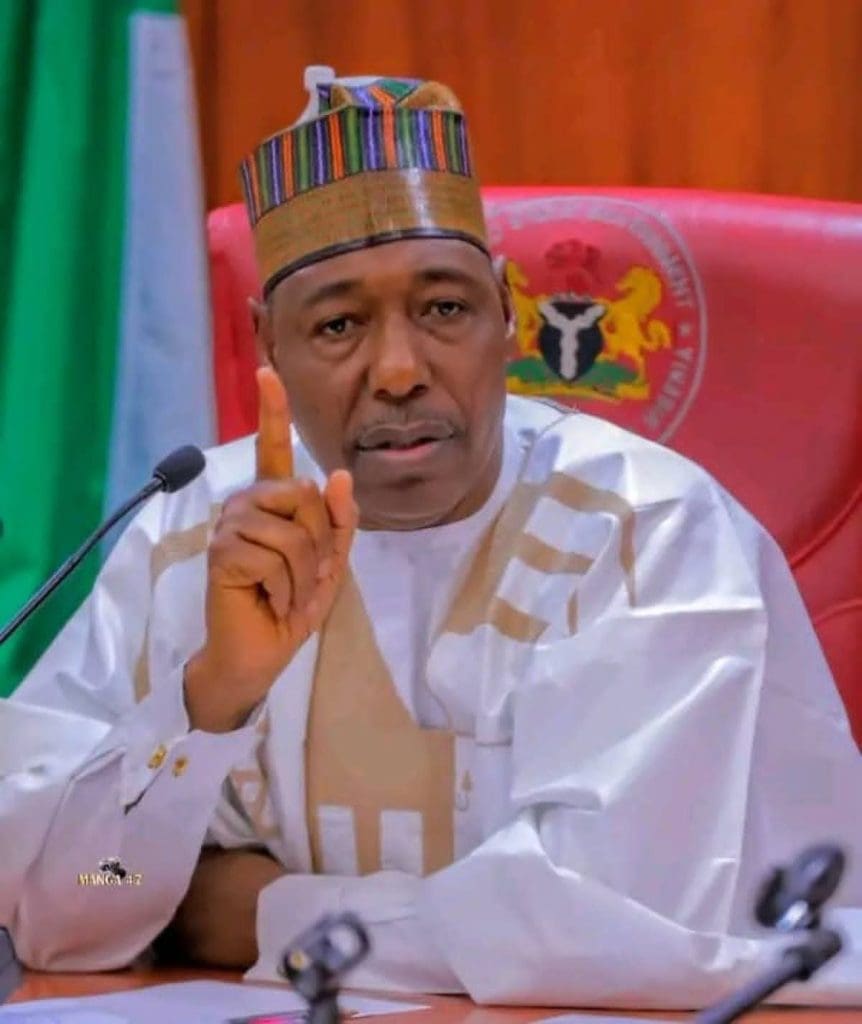
The pattern of neglect, Christian leaders say, is not accidental but structural. Dr. Pogu Bitrus, President of the Middle Belt Forum and a native of Chibok, told TruthNigeria that Borno under Governor Babagana Zulum operates “an apartheid‑style system” in which Christian communities are consistently sidelined in welfare, development, and political appointments.
Speaking from Chibok, Bitrus said the state’s treatment of displaced Christians stands in stark contrast to the housing, stipends, and support offered to so‑called repentant Boko Haram fighters.
According to Bitrus, the discrimination is most visible in how political appointments and development projects are distributed across Borno’s southern Christian‑majority areas.
“Even in communities where Christians form the overwhelming majority, the governor ensures that the minority Muslim population dominates the key political positions and benefits from state projects,” he said.
He added that the disparity extends to displacement camps, where living conditions for Christian IDPs are “nowhere near” the support and facilities provided in camps hosting Muslims.
The allegations are echoed by other Christian leaders across southern Borno. Dr. Ayuba John, Coordinator of the Gwoza Christian Association, told TruthNigeria that the bias is visible even in government housing projects. He cited the construction of 500 housing units in Ngoshe, a predominantly Christian town in Gwoza Local Government Area, where 457 units were allocated to Muslims and only three to Christians. “It was merely symbolic,” he said.
The situation in Ngoshe has grown even more desperate following a recent Boko Haram attack that left much of the town in ruins. According to Dr. Ayuba John, many of the newly built houses — including those in the disputed allocation — were burned during the assault, forcing families who had only just begun to rebuild to flee once again into the surrounding hills. The attack has swelled the number of displaced people in Gwoza, where more than 120,000 residents are now living in makeshift camps or scattered across remote villages with little access to food or medical care.
“It is always heart wrenching anytime we visit,” he said. “The first thing that they ask for is food and there are so many of them to feed, especially the small hungry kids. So most of the time you end up crying with them, because you can only do very, very little. The government has abandoned them, because they are Christians.”
State Official Reacts: Dividends of Democracy Cannot Be the Same
A Borno State Government official — a Muslim from Gwoza who requested anonymity — dismissed the complaints from Christian communities, saying they always like playing or “claiming to be the victim all the time.”
According to him, Muslims are the majority in the state, and there was no way that when it comes to sharing the “dividends of democracy” they will get same portions with Muslims. His comments reflect a view that political representation and state benefits should follow demographic dominance, a position Christian leaders say undermines the very idea of equal citizenship.
Luka Binniyat writes for TruthNigeria on Politics and Conflict from Kaduna.