
By Ekani Olikita
Ethno-religious cleansing continues in the predominantly Christian Central Nigeria as Fulani Ethnic Militia killed 5 more Christians this week in new attacks in Benue State.
The victims included Mrs Utsuwa Chicha, her three sons from Imande, Guma County and a youth leader from Ikpayongo, Gwer-East County.
Guma and Gwer-East with headquarters in Gbajimba and Aliade respectively, are agrarian and predominantly Christian counties, located 32 miles Northeast and 37 miles South of Makurdi, the Benue Capital respectively and have been under regular attack by Fulani terrorists since 2013.
According to data from the Observatory for Religious Freedom in Africa, Fulani militia groups have been linked to nearly 24,000 civilian deaths over a recent four-year period, making the conflict one of the deadliest in Nigeria’s modern history.
The Imande, Guma Killings
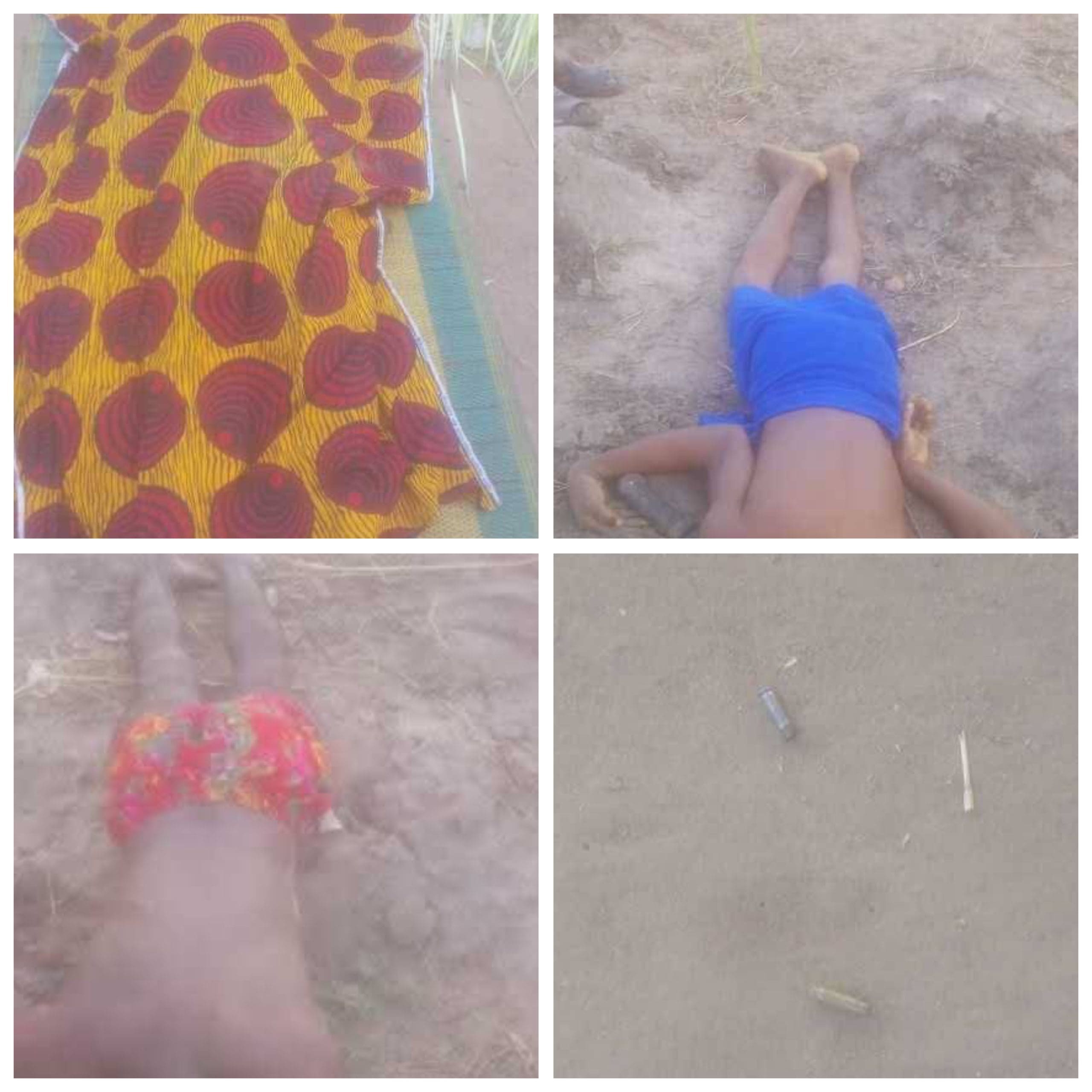
The latest killings unfolded on Tuesday, April 7, 2026, in Imande community, located in Uvir precinct of Guma County (Local Government Area). According to local sources, about 20 armed Fulani terrorists stormed the village and killed a devoted Catholic mother, identified as Mrs Utsuwa Chicha alongside her three sons in their home.
The Ikpayongo, Gwer-East Killing
On Easter Sunday, April 5, about 10 well-armed Fulani militia on five motorcycles invaded Ikpayongo, a predominantly Christian community in Gwer East County (Local Government Area), roughly 10 miles south of Makurdi, the Benue State capital, killing a youth leader who was part of a local volunteer group defending the community, in what is described as a ‘a hit and run style’ attack.
43 Killed Across the Middle Belt on Easter
These renewed killings are coming few days after Easter Massacres of 43 Christian residents by Fulani Jihadists across the Middle Belt.
Earlier, on the evening of April 4, dozens of Fulani Jihadists invaded Mbalom, another community in Gwer East, killing at least 17 Christian residents as they prepared for Easter vigil services.
Residents Describe Fear and Displacement
Residents in affected communities told TruthNigeria that the violence has shattered daily life, forced families to flee, and left farmlands abandoned.
Samuel Tivta, Guma Youth Leader who lost extended family members in the April 7 attack on Imande, said the killings have left the community traumatized and defenseless.
“The well armed Fulani Jihadists, numbering about 20, invaded Imande at about 2 am and surrounded the area. There was no warning, no protection. Mrs Utsuwa Chicha, one of my extended family members, a devoted Catholic mother and her children were wiped out in minutes,” Samuel told TruthNigeria. “We live in constant fear now. People are sleeping in the bush or running to nearby towns.”
Another Imande resident, Festus Ayihe in an interview with TruthNigeria, described the psychological toll of repeated attacks.
“This is no longer just violence, it feels like we are being erased from our land,” he told TruthNigeria. “We cannot farm, can not attend church, we cannot stay in our homes. Every sound at night feels like danger.”
In Ikpayongo, where a youth leader was killed on Easter Sunday, residents say local defense groups have become the only line of protection amid what they describe as slow or no security response.
Mr. Marcellinus Paleve, a resident of Ikpayongo, said the community has been left to fend for itself.
“Our youth leader died trying to protect us because there was no one else,” Paleve told TruthNigeria. “We call security agencies, but help often comes late or not at all. We feel abandoned”,
Pattern of Attacks Raises Alarm
The recent killings by Muslim Fulani Ethnic Militia follow a pattern of coordinated assaults on rural, predominantly Christian communities in Benue and neighboring states in Nigeria’s Middle Belt, a region long plagued by conflict between predominantly Muslim Fulani herders and largely Christian farming populations.
While the Nigerian government has often framed the crisis as a clash over land and grazing rights, local residents and community leaders insist that the attacks are targeted and driven by deeper ethno-religious motivations aimed at decimating the local Christian populace, takeover of Christian lands, and establishing Islamic caliphates.
The scale and timing of the Easter attacks have further heightened tensions, with community leaders warning of escalating reprisals and a deepening humanitarian crises.
Security Expert Warns of Broader Risks
Security analysts say the persistent instability in the Middle Belt carries implications beyond Nigeria’s borders, including for the United States.
Captain Isah Daniel, a retired Naval Officer, a Benue indigene and a security analyst, specialized on West African conflicts, warned that prolonged violence in the region could fuel broader instability and create openings for extremist exploitation.
“When local conflicts persist without resolution, they risk becoming incubators for transnational threats,” Capt Isah told TruthNigeria. “Ungoverned spaces can be exploited by extremist groups, criminal networks and arms traffickers, which ultimately affects global security, including U.S. interests”,
He added that, large scale displacement and economic disruption in Nigeria, Africa’s most populous country could have ripple effects.
“Nigeria is a strategic partner to the United States in Africa. Continued instability threatens regional trade, increases migration pressures, and complicates counterterrorism efforts,” he added.
Wider Implications for the United States
Experts say insecurity in Nigeria’s Middle Belt affects key United States’ foreign policy and security interests.
Prolonged violence could create openings for extremist groups linked to ISIS and al-Qaeda to expand in West Africa. At the same time, rising displacement, food insecurity, and economic collapse may increase migration pressures and strain global aid systems, where the U.S. plays a major role.
Nigeria’s position as a regional economic hub means instability could disrupt supply chains, investment, and energy markets, with broader global effects. Additionally, continued violence weakens democratic institutions and the rule of law in a key U.S. partner, potentially emboldening armed groups and undermining long-term stability.
Calls for Intervention
Residents and local leaders are urging action from Nigerian authorities and the international community, citing a security response that has failed to stop recurring attacks or ensure accountability, leaving communities exposed.
As the cycle of violence continues, affected populations warn that without decisive action, more communities could face similar devastation, further deepening one of Nigeria’s most enduring and complex conflicts.
Ekani Olikita is a conflict reporter for TruthNigeria.