
Trauma Counseling for Ex-terrorists But Not for Victims
By Segun Onibiyo
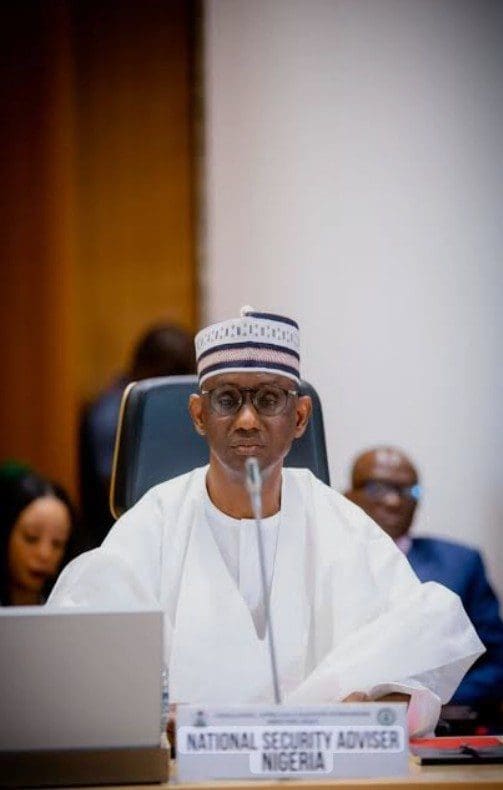
(Abuja) – “We inherited a very difficult situation,” Nigeria’s National Security Adviser, Nuhu Ribadu, said from the podium at the APC National Policy and Development Summit Thursday, July 5. “But under President Tinubu, we’ve killed 13,543 terrorists and over 124,000 fighters and their families have surrendered.”
That declaration drew applause in Abuja. But in northeast Nigeria, where civilians still live in fear of ambushes, raids, and abductions, the National Security Adviser’s numbers feel hollow.
The Nigerian Military has been fighting on five fronts against Boko Haram (Western Learning Forbidden) and ISWAP, Lakurawa, Fulani Ethnic Militia (FEM), Biafran Separatists during the last year.
Just weeks before Ribadu’s remarks, Islamic State West Africa Province (ISWAP) ambushed a convoy in Kukawa, Borno State, killing four civilians and torching humanitarian aid trucks. Local vigilantes claim at least two of the attackers had recently passed through a government deradicalization camp. Yet, it was not covered by the national media.
Are Nigerian Army’s Claims Verifiable?
President Bola Ahmed Tinubu’s administration is quick to cite these figures 13,543 terrorists killed, 124,000 surrendered as proof that his security strategy is working. But critics question whether these statistics reflect real progress or are simply meant to calm a restless public and please international partners.
“They’re using surrender numbers like PR tools,” said Dr. Aisha Lawal, a conflict analyst at the Centre for Democracy and Development, to TruthNigeria in an interview via telephone. “We don’t even know how many of those 124,000 were active fighters, and how many were just their wives and children.”
According to the Nigerian Defence Headquarters, the deradicalization initiative known as ‘Operation Safe Corridor’ is the main vehicle for reintegrating former fighters. It includes religious counseling, vocational training, and psychological support.
“We Buried Our Dead. Now We’re Asked to Forgive the Killers” — Chief
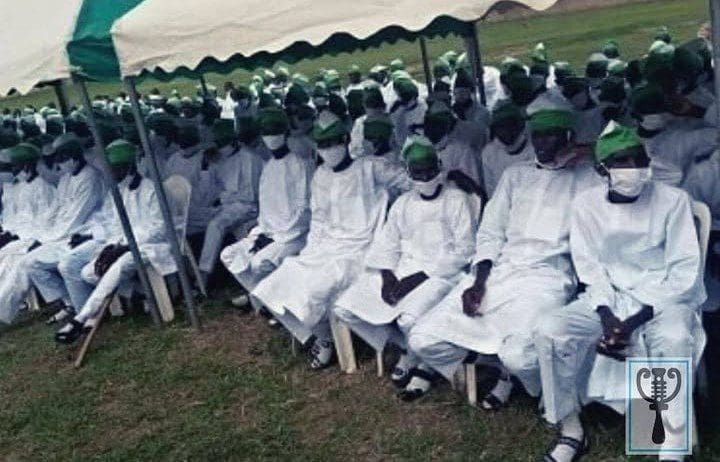
But the impact is mixed at best. Chief Musa Bukar in Gwoza, Borno State, Chief Bukar told TruthNigeria: “I watched 22 young men walk into our town last month, we hear they are recent graduates of a deradicalization camp.”
“We buried our dead when these men were still killing,” Bukar added. “Now the government says they are citizens again. Who decides that? Certainly not us.”
Pastor John Ayuba, a church leader in Southern Borno, echoed the same frustrations to TruthNigeria in a chat.
“One of these men was part of the group that burned down our chapel in 2019,” he said. “We see him now at the market. He smiles. But we can’t forget the screams.”
Ayuba says residents now fear reprisal or re-recruitment, not reconciliation.
“In June, one of these so-called reformed men tried to lure boys to ‘train’ in the forest,” he added. “He was caught, but the military just warned him and let him go. What message are we sending?”
Program Under Fire
Since 2016, Nigeria’s deradicalization program has processed over 6,000 ex-fighters, according to military records. But most of the recent 124,000 “surrenders” have not been through any formal process. Security analysts estimate that less than 10 percent of them are being monitored after reintegration.
“Once they’re back in their communities, there’s no real tracking,” said a senior intelligence officer who requested anonymity. “That’s the weak link in this whole strategy.”
A 2023 report by the International Crisis Group warned that Nigeria’s deradicalization efforts suffer from a lack of transparency, poor community engagement, and an absence of independent audits.
The report concluded that “many former fighters are resettled into hostile environments, without jobs, without trust, and often without true reform.”
Alternatives to Deradicalization?
Religious leaders in Nigeria’s North are calling for a different approach, one that emphasizes truth-telling and community-led reconciliation.
Imam Aliyu Dogo, a Muslim cleric in Bauchi State, said forgiveness must be earned. Dogo while speaking with TruthNigeria reporter in a chat said, “Islam teaches peace and justice,” he said. “But what we have now is government forgiveness without community justice. That is not sustainable.”
Dogo proposes the creation of community truth tribunals forums where ex-fighters face victims, admit guilt, and seek public forgiveness under the guidance of traditional and religious leaders.
“We need a moral process, not just political rehabilitation,” he said.
Chief Bukar also supports this model. He told TruthNigeria, “If we are going to forgive, let it be our choice. Not a decree from Abuja,” he said.
The Human Cost of “Reintegration”
In some towns, survivors live side-by-side with former fighters.
Fatima Adamu, a widow from Monguno, Borno, lost her husband in a Boko Haram raid in 2020. Now, she shares a water pump with the brother of one of the attackers.
“They say he has changed,” she told a TruthNigeria reporter sobbing. “But every time I see him, my chest tightens. He walks free. My husband is still in the grave.”
Her experience is common in towns such as Damasak, Konduga, and Damboa, where communities are being asked to absorb men who once rained terror on their streets.
“There is no trauma counseling for us,” Fatima added. “Only for them.”
Tinubu’s Tightrope
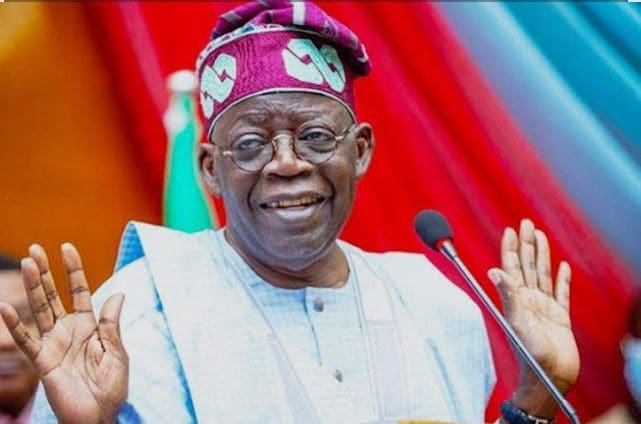
President Tinubu is under pressure from within and outside Nigeria to demonstrate results in the war on terror. In a region where insurgencies have lasted more than a decade, any sign of progress is politically valuable.
But critics argue that Tinubu’s administration is rushing the reintegration process to manufacture short-term wins.
“Insecurity cannot be solved with numbers alone,” said Dr. Lawal. “We need transparency, accountability, and above all, justice for victims”, he told TruthNigeria via text.
Attacks in Benue, Plateau, and Zamfara suggest the war is far from over. In June alone, Fulani militia attacks in Plateau killed more than 100 civilians despite government claims that terrorism is being contained.
What Does ‘Victory’ Look Like?
Beyond the casualty figures and surrender numbers lies a deeper question: How do Nigerians know when the war is truly over?
“Victory is when our children sleep without gunfire,” said Imam Dogo. “Victory is when victims see justice. Until then, all this talk is just noise.”
Chief Bukar put it even more bluntly. “The day a man who killed my son says sorry and means it, that’s the day I will believe in peace.”
Segun Onibiyo reports on terrorism and conflict for TruthNigeria.