Women describe captivity in sprawling camps where more than 800 Christians are chained for ransom.
By TruthNigeria Staff
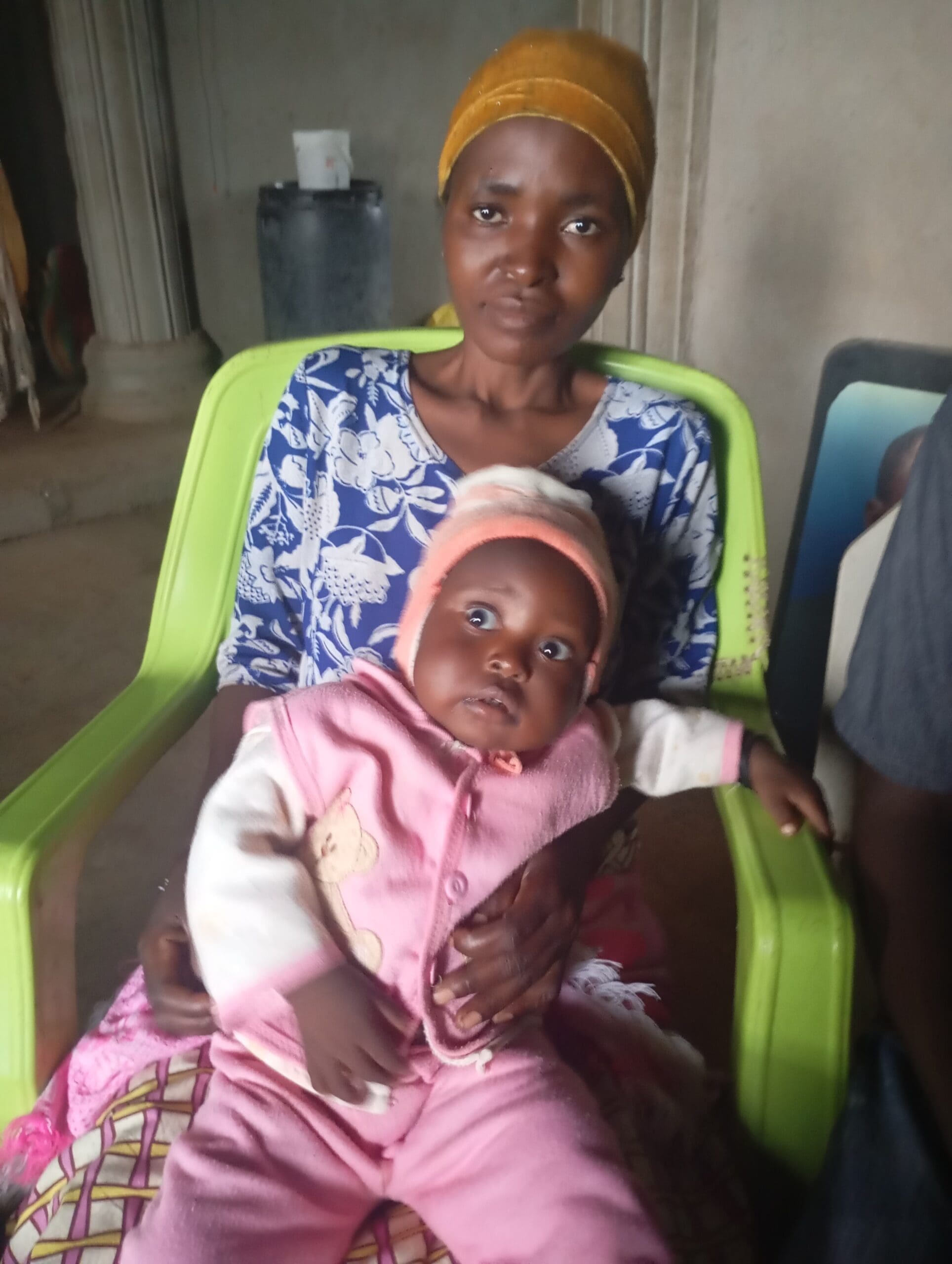
Washington DC–For 32-year-old Esther Emmanuel and her 10-month-old daughter, Anita, the nightmare began on June 4, 2025. They were asleep in their home in Gaude village, Kachia County, Kaduna State, when Fulani terrorists crept silently into the compound.
“Immediately they came in, they pointed a gun at me and told me to keep quiet or they would kill me,” Esther recalled. “They tied me up and debated whether to raid more houses. Their leader, however, advised against it.”
Villagers had been alerted. Some fired crude pipe guns into the air, a desperate attempt to scare off the assailants. The warning shots worked. The terrorists retreated into the darkness—dragging Esther and baby Anita with them.
Ambushed on the Way to Buy Sugar
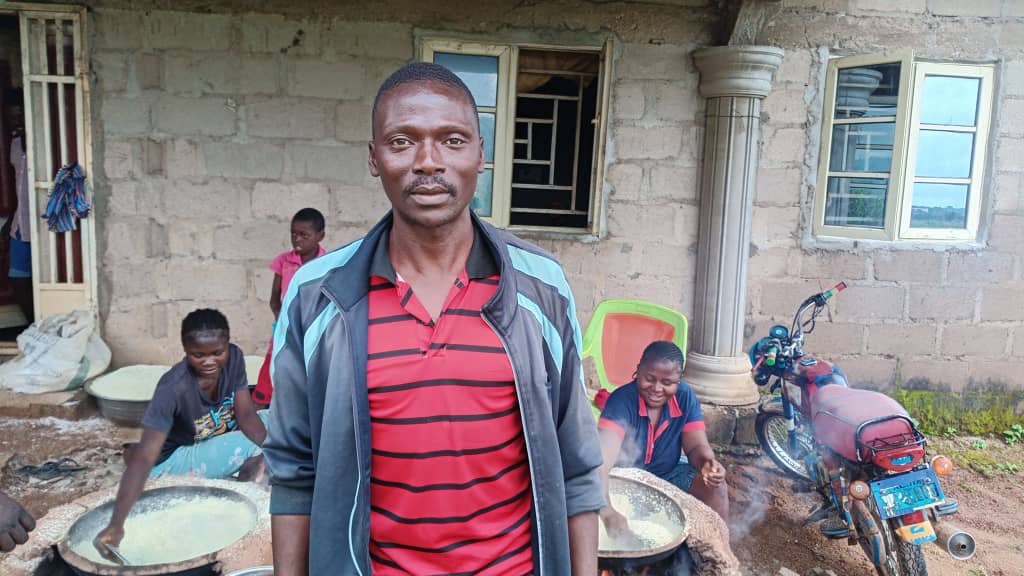

That same night, 35-year-old farmer Maureen Mica was caught off guard. She had stepped out of her home at the edge of Gaude to buy sugar.
“Our village is surrounded by tall trees and grasses,” she told TruthNigeria. “As I walked toward the center, three Fulani men emerged from the forest. One carried an AK-47, another a machete, and the third a knife. They ordered me to walk into the bush. I had no choice but to obey.”
Marched to Rijana Forest
For Maureen, Esther, and Anita, the ordeal deepened as they were forced to trek through the night.
“We trekked all night, starting from Kabude,” Maureen recalled. “From Kabude they took us to Agunu, where we met many Fulani terrorists. That village was entirely populated by them.
“At the village, they used my phone to call my husband and demanded ₦600,000. He could only raise ₦400,000. When he brought the money, one terrorist suggested releasing us, but others refused and insisted we be taken to Rijana.”
The women were marched into the infamous Rijana enclave—a sprawling settlement hidden in the forest, like a secret village of its own.
Inside the Rijana Camps
“I saw many big camps, about five, but there could be more,” Maureen explained. “Each of them held over 50 hostages. There were also smaller camps with about 30 people each—more than 10 of those. Esther and I were kept in one of the smaller camps, numbering 30. Each camp is named after its commander. Ours was called Sanda, after the commander.”
Life inside the camp was brutal. Hostages survived on cornmeal, often without soup, and were regularly beaten.
“We sometimes went seven days without food,” Maureen said. “If baby Anita cried, the terrorists flogged both the baby, her mother, and me.”
The psychological torture was relentless.
“They threatened to execute us several times,” Maureen said. “Sometimes Sanda would point a gun at us, cock it, and fire into the sky while saying, ‘Today could be your last day.’”
Executions as Punishment
Esther confirmed the cruelty.
“They warned us never to speak, never to look them in the eye, and never to say Christian prayers. Once, when my baby cried, I tried to breastfeed her. One terrorist snatched her from me. Instead of soothing her, he covered her mouth and nose, choking her. I had to wrestle her back,” she said.
At times, the women chewed tree bark to survive.
“Prayer was our only consolation,” Esther added. “In our camp, they executed two people because their parents could not pay ransom. In the bigger camps, executions were more frequent. Anytime we heard gunfire, we knew someone had been killed. Four bursts usually meant two people had been executed.”
How Terrorists Shop in Rijana
The women saw how the terrorists moved in and out of Rijana with ease.
“They often went there to buy bread, cigarettes, and even hire prostitutes,” Maureen said. “Sometimes they went to steal or kidnap. I remember three of them went to Rijana to steal but never came back. Later, we heard they were killed.”
Freedom After ₦2.3 Million Ransom
All the while, Maureen’s husband remained in touch with commander Sanda. Negotiations dragged on for two months.
“At first, they demanded ₦30 million,” Maureen said. “Finally, they agreed to ₦2.3 million.”
On August 27, after the ransom was paid, Maureen, Esther, and Anita were released—emaciated, traumatized, but alive.
A Lasting Nightmare
For Maureen, Esther, and Anita, freedom came after months of hunger, beatings, and terror. But hundreds of others remain chained in the forests, their fates uncertain.
As Esther put it simply:
“Every time we prayed, we felt peace that one day we would be free. But many are still there. They are praying too.”
Terror Camps in Rijana Forest
According to interviews with more than ten kidnap victims conducted by TruthNigeria, a vast forest lies behind Rijana village in Kaduna State. Hidden inside are multiple terrorist camps where Fulani gunmen keep abducted Christians in chains until ransom is paid.
Key Findings (based on testimonies of former captives):
11 major camps — each holds more than 50 captives (minimum total: 550+)
About 10 smaller camps — each holds around 30 captives (total: 300)
Combined total: at least 850 Christians in captivity as of August 2025
Over 100 captives murdered between December 2024 and August 2025
Killings occur when:
Families cannot pay ransom
Guards are angered by captives’ behavior
Male hostages are viewed as threats
Similar enclaves exist in Benue State, around Otukpo and Katsina-Ala. Survivors say killings occur there too, though less brutally than in Rijana.