
A TruthNigeria Analysis: Nigerian Government Denial Gets Propped up by False Narratives
By Ekani Olikita
(Abuja) For more than a decade, Christian communities across Nigeria’s Middle Belt have endured waves of violent attacks by Fulani ethnic militias — assaults that have left thousands dead, millions displaced, and vast farmlands deserted. Yet, successive governments, international agencies, and sections of the media continue to frame the bloodshed as a “farmers–herders conflict” or a fallout of “climate change.” Mounting evidence, however, shows these narratives have become convenient shields—masking what many victims describe as a coordinated campaign of ethnic and religious persecution.
The Convenient Scapegoat: Climate Change
Government officials and global organizations frequently link Nigeria’s rural violence to desertification and shrinking grazing fields. They argue that as northern pastures dry up, Fulani herders migrate southward in search of greener land, sparking clashes with farming communities.
While partially rooted in fact, this explanation dangerously oversimplifies a complex, organized crisis and sanitizes deliberate violence. Climate change is a global challenge, but nowhere else has it resulted in systematic massacres, targeted village burnings, and destruction of churches. Desertification does not explain the midnight slaughter of women and children.
From Grazing to Grievance: A Shift in Narrative
What began as disputes over grazing routes has evolved into coordinated assaults by armed Fulani militias armed with AK 49 assault rifles and operating with near-total impunity.
Investigations show these attacks are premeditated—planned with logistics, reconnaissance, and precision—contradicting claims of spontaneous “communal clashes.” The economic rubric “farmers–herders conflict” erases the reality of organized invasions targeting Christian communities.
Weaponizing International Narratives
International agencies and climate advocates –with the blessing of the Nigerian government and its patrons in Washington and Brussels – spin out economic narratives framing the violence as collateral damage from environmental stress, which may be superficially true but nonetheless deeply false. The result: millions of dollars flow into “peacebuilding” and “pastoral reform” programs that seldom reach victims. Instead, consultants and politicians bank their checks while internally displaced persons (IDPs) starve in their camps by the millions.
Silence of the State
Despite years of massacres across Benue, Plateau, Taraba, and Southern Kaduna, prosecutions are as rare as snowflakes in the Niger Basin. Official statements often describe attacks as “reprisals” or “mutual clashes,” bypassing language that shows the face of genocide to the public.
Deliberately fuzzy language such as “unknown gunmen,” and “herders” embolden aggressors. Villagers who defend themselves are branded as instigators, while perpetrators are rebranded as “aggrieved herders” or “bandits” (who murder but don’t steal anything). Propaganda denies victims the dignity of truth.
Ethnic Agenda Disguised as Ecological Migration
Survivors insist the violence reflects a broader expansionist agenda. Patterns show that once Christian villages are destroyed, new settlers often move in—sometimes under security protection.
In Benue and Plateau States, where anti-open grazing laws exist, attacks have intensified—suggesting retaliation of migrating herders. The victims remain overwhelmingly Christian farmers, fueling fears of a slow-moving ethnic cleansing masked as ecological displacement.
TruthNigeria Changing the Narrative
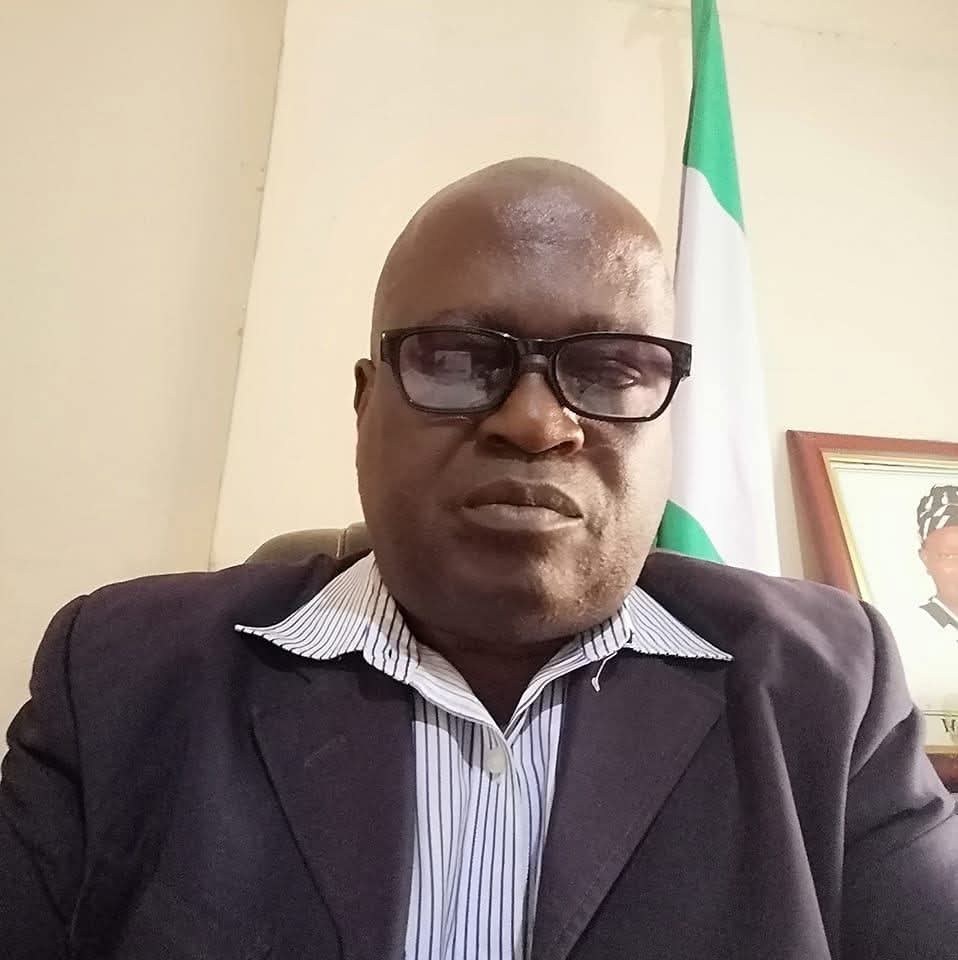
Christopher Ahangba Ayati, Benue State Director of Information and community leader of Ayati—one of the hardest-hit areas—told TruthNigeria:
“Until TruthNigeria came on board, attacks by Fulani ethnic militias were falsely reported as ‘farmer–herder clashes’ caused by climate change. Now the world is seeing the real picture—the genocide against Christians in Nigeria. This growing awareness even influenced President Donald Trump’s recent redesignation of Nigeria as a Country of Particular Concern.”
Exposing the “Climate Change” and “Farmer–Herder” Myths: Judd Saul and Lara Logan

American filmmaker Judd Saul, founder of Equipping the Persecuted, and award-winning journalist Lara Logan are helping reshape international understanding of these misleading narratives.
Saul told TruthNigeria that when 258 Christians were killed in Yelewata, Benue State, in June 2025, some international media reported only 100 deaths and framed it as a “tribal” conflict.
“In Nigeria, journalists are often paid to publish government narratives,” Saul said. “If they’re not invited, it means the event ‘didn’t happen.’”
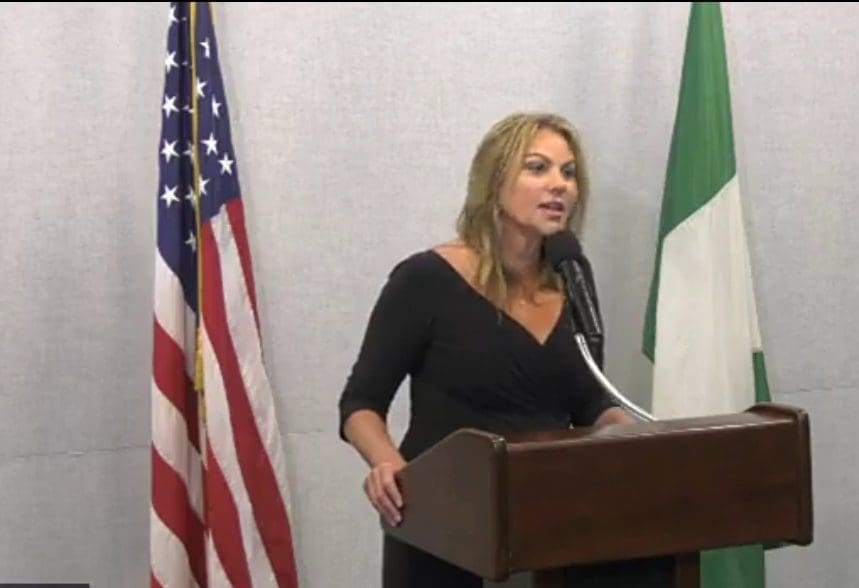
At a Washington press briefing on July 24, 2025, Logan added:
“Before TruthNigeria, many Nigerian journalists repeated the government and U.S. State Department line that Fulani herders were merely displaced by climate change. It’s absolute nonsense. That’s how climate change became a scam to cover up what’s really happening.”
The Real Cost of False Narratives
This deception carries grave consequences. Millions of farmers have lost their homes, farmlands lie abandoned, and food insecurity has worsened nationwide. Beyond the humanitarian toll, persistent distortion of truth undermines public trust and emboldens extremists.
By reducing organized terror to “environmental stress,” the Nigerian state and its partners have shielded perpetrators and silenced victims.
A Call for Honest Engagement
Nigeria cannot end this cycle of violence without confronting the truth. While climate change may aggravate resource scarcity, it is not the cause of terrorism. According to the victims who spoke to TruthNigeria, the real drivers are ideology, identity, land, and power—issues requiring justice, accountability, and courage to name perpetrators and protect victims.
What is unfolding is not merely a “climate story,” but a human tragedy—a struggle for survival amid political complicity and media distortion.
Ekani Olikita is a Conflict Reporter for TruthNigeria.