By Luka Binniyat
When the Malian military, led by Gen. Assimi Goita seized power in August 2020, thousands in Bamako poured into the streets in jubilation.
For once, most of the 25.2 million population of Mali believed that soldiers—rather than politicians—could rescue their country from spiraling insecurity and corruption.
That hope was brief.
Today, as Jama’at Nusrat al-Islam wal-Muslimin (JNIM) tightens its grip across vast Sahel and rocky stretches of Mali, the celebration has turned to quiet despair.
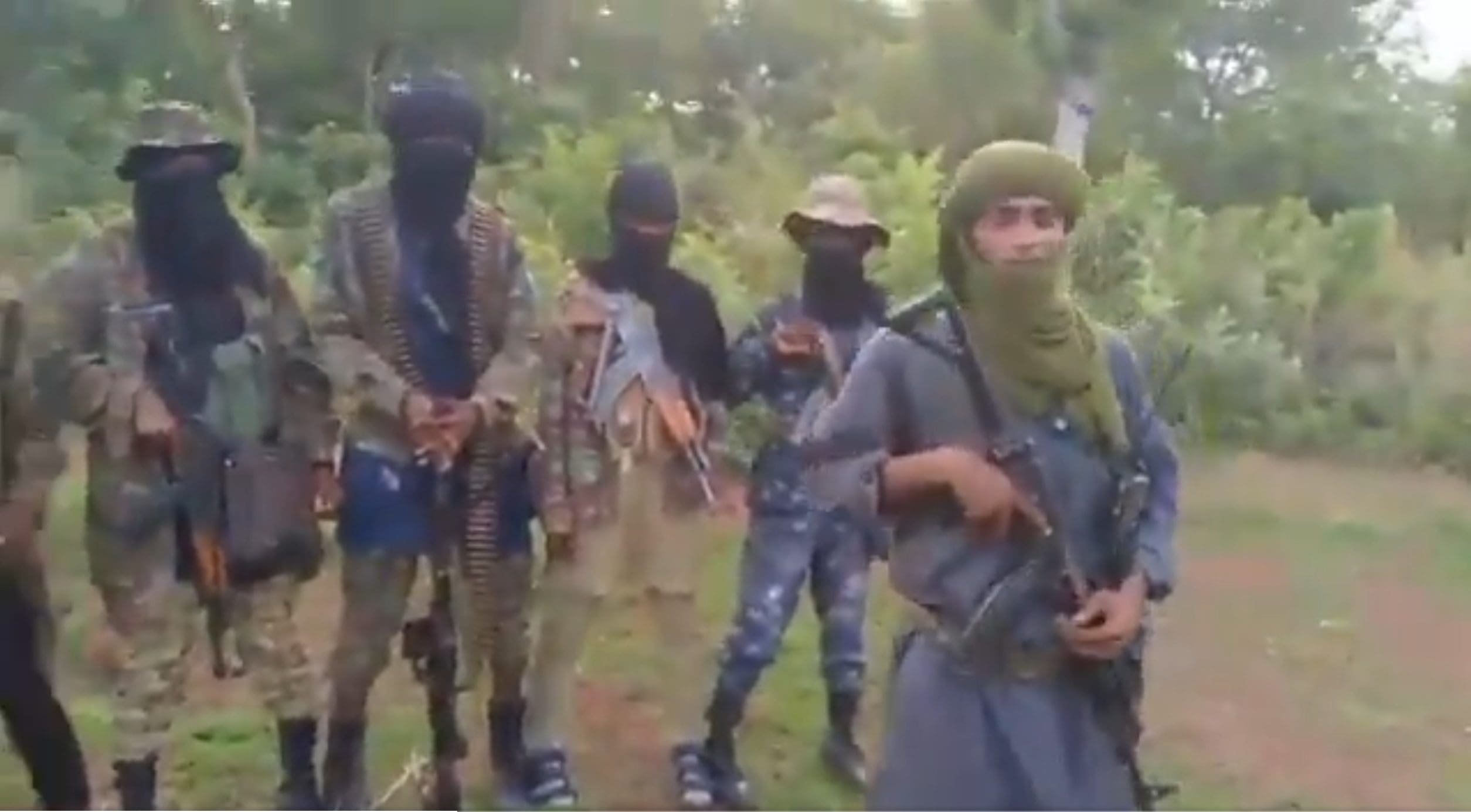
Formed in 2017 through the merger of several Islamist factions—Ansar Dine, al-Murabitun, the Macina Liberation Front, and Saharan al-Qaeda elements—JNIM has become the most powerful al-Qaeda-linked movement in the Sahel. Its leader, Iyad ag Ghali, a Tuareg insurgent turned jihadist, commands regional cells run by sub-leaders such as Amadou Koufa, combining religious zeal with ethnic politics to recruit widely across the Sahel.
UN Security Council profile
A Well-Armed Insurgency
Analysts estimate that 6,000–7,000 militants operate under JNIM’s banner across Mali, Burkina Faso, and Niger. Their arsenal includes AK-pattern rifles, PKM machine-guns, mortars, anti-tank rockets, and weaponized pickup trucks known as “technicals.” In recent months, security reports have noted the group’s use of drones and more advanced improvised explosive devices (IEDs), a worrying sign of growing sophistication.
JNIM’s weapons often come from looted state armories, Libya’s post-Gaddafi arms flows, or black-market traffickers crisscrossing the Sahara. The group’s mobility and desert warfare tactics have made it nearly impossible for the Malian army to hold ground once militants advance.
Money From Crime and Fear
Like many insurgent movements, JNIM sustains itself through a mix of crime and coercion. It taxes traders and herders, levies “zakat” on markets, imposes tolls on roads under its control, and participates in kidnappings for ransom—often targeting aid workers and foreigners. It also profits from smuggling networks trafficking fuel, drugs, and gold across the porous Sahel.
International investigators, including the Financial Action Task Force (FATF), have traced parts of JNIM’s funding to the same illicit economies that finance West Africa’s drug trade. The result is a hybrid organization—part jihadist, part mafia—entrenched in the region’s underground markets.
Territory, Death, and Displacement
Across central and northern Mali—notably Mopti, Ségou, Timbuktu, and parts of Gao—JNIM either governs directly or dictates life through fear. Satellite conflict-tracking shows that in 2024 alone, more than 493 people died in JNIM-linked attacks in those areas, and by 2025, the group accounted for 83 percent of all Islamist-related killings in the Sahel. The total death toll since 2012 exceeds 17,700 in Mali alone.
The humanitarian fallout is enormous. More than 3.5 million people have fled their homes across Mali, Burkina Faso, and Niger, most sheltering in makeshift camps without adequate food or healthcare.
Life Under JNIM Rule
Where JNIM governs, women and girls suffer most. Schools are closed; markets are tightly controlled, and public behavior is policed under harsh interpretations of Islamic law. In several Mopti villages, militants now compel women to wear full hijabs and forbid travel without male guardians. Public flogging and forced marriage have re-emerged as tools of control.
A Reuters investigation found that Sharia-style courts dispense punishment without appeal, and young men are pressed into “community defense” brigades that amount to local militias under jihadist command.
The collapse of state services means families survive under parallel governance—taxes for “protection,” medical treatment at militant-controlled clinics, and Quranic schools replacing the national curriculum.
Economic and Regional Shockwaves
The militants’ blockade tactics have crippled Mali’s fragile economy. Fuel shortages, transport disruptions, and trade paralysis are driving prices to record highs. The exodus of Western investors and humanitarian agencies compounds the suffering, while border markets from Burkina Faso to Niger and northern Nigeria feel the strain through disrupted grain and livestock flows.
Nigeria, though distant from Mali, faces spillover effects: higher food and transport costs, surging refugee inflows, and the diffusion of militant tactics into its north-western banditry crisis.
A Regional Powder Keg and U.S. Stakes
The resurgence of JNIM represents more than a national tragedy—it is a direct challenge to U.S. and allied interests in West Africa. The U.S. Africa Command (AFRICOM) maintains counter-terrorism partnerships across the region, and any jihadist corridor linking central Mali to the Atlantic threatens to create a haven for transnational terrorism, drug smuggling, and illegal migration networks.
If Mali continues its drift toward jihadist control, Washington’s regional security architecture could unravel, imperiling partners such as Senegal, Ghana, Côte d’Ivoire, and Nigeria. Analysts warn that the vacuum left by France’s withdrawal and the growing Russian (Wagner-linked) presence create instability that al-Qaeda can exploit to reposition itself after setbacks in the Middle East.
For the United States, Mali is not merely a humanitarian concern but a strategic test. Failing to help stabilize the Sahel risks a new epicenter of global jihad within striking distance of the Atlantic coast and Europe’s southern flank.
Mali’s Fading Hope
The junta that once promised salvation now faces the same fate as the governments it overthrew—discredited, isolated, and unable to govern beyond Bamako. As JNIM’s black banners spread, many Malians whisper that their country could soon mirror Afghanistan after the Taliban’s return.
Yet Mali’s struggle is not inevitable. It demands a coordinated regional response combining military pressure, political reform, and community reconciliation. The people of Mali need what JNIM has stolen from them—hope, dignity, and the belief that peace is still possible in the heart of the Sahel.
Luka Binniyat is a conflict reporter who writes for TruthNigeria from Kaduna, Nigeria.