
US Delegation Confronts Nigeria’s Christian IDP Crisis in Benue
By Ekani Olikita
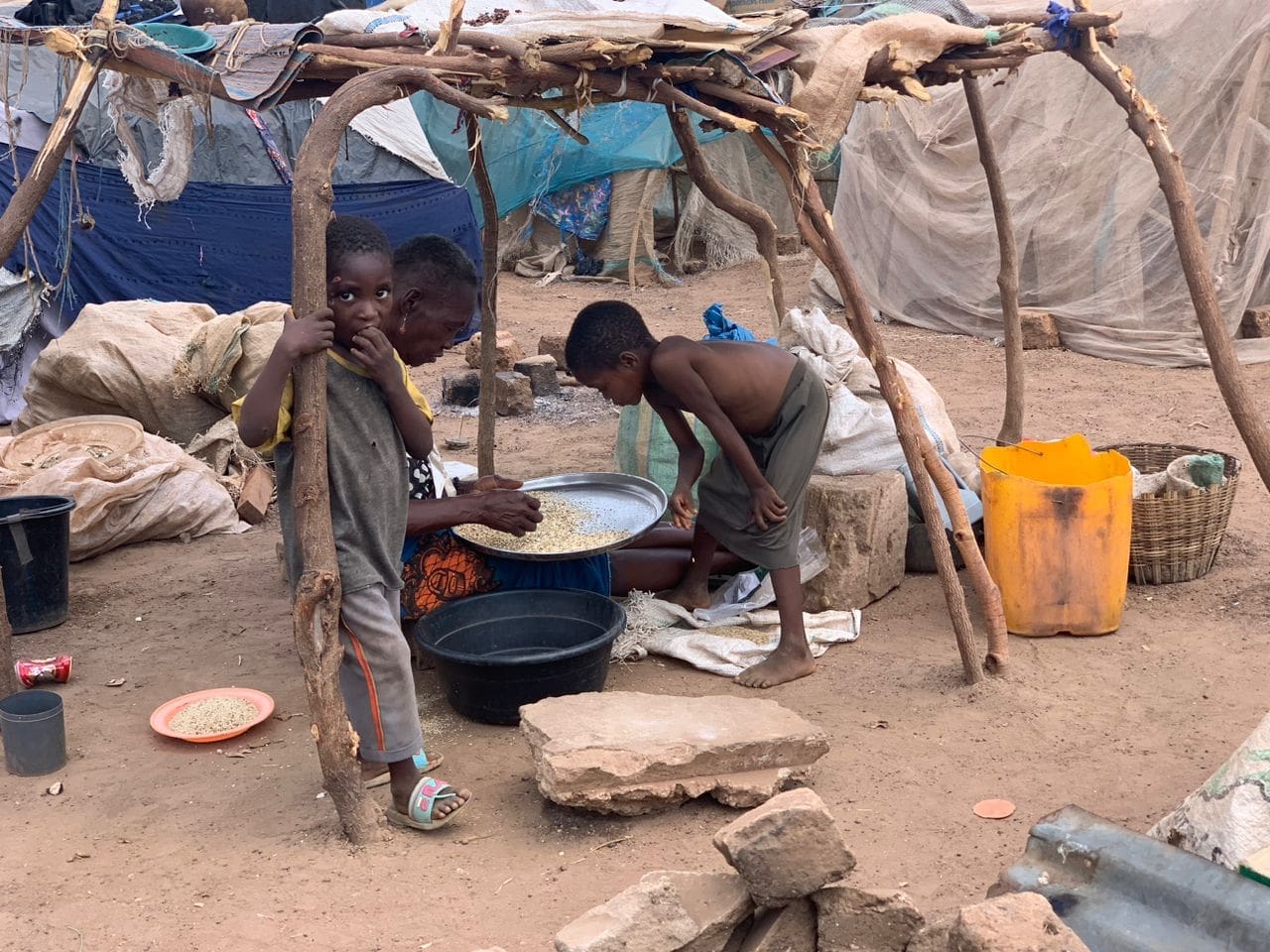
Makurdi—US Congressman Riley Moore warns of a worsening humanitarian crisis in Benue, with over 600,000 displaced Christian farmers trapped in IDP camps.
Benue State, located in Nigeria’s Middle Belt, is an agrarian state of over 4.3 million people, predominantly Christian (99 percent) and mostly Catholic (98 percent). Known as the “Food Basket of the Nation,” Benue produces rice, yam, cassava, maize, beans, and fruits in large quantities.
Yet, the state has been devastated by waves of jihadist violence.
For more than a decade, Fulani militias and allied Islamist groups have attacked hundreds of villages, killing thousands and displacing millions.
According to the Organization for Religious Freedom in Africa (ORFA), Fulani Ethnic Militias (FEM) have been responsible for over 55,000 deaths in the last four years across Nigeria’s Middle Belt, with Benue suffering one of the highest casualty rates.
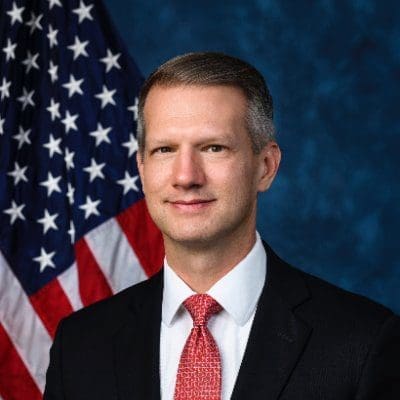
Representatives Riley Moore (WVA), Mario Díaz-Balart (FL), Norma Torres (CA), Scott Franklin (FL), and Juan Ciscomani (AZ), accompanied by U.S. Ambassador Richard M. Mills on the order of President Donald Trump, visited Benue State on Saturday, December 6, 2025, on a fact-finding mission over alleged persecution of Christians in Nigeria. During the visit, the delegation met Bishop Wilfred Anagbe of Makurdi Diocese, Bishop Isaac Dugu of Katsina-Ala, Bishop William Avenya of Gboko Diocese, and Prof. James Ayatse, the Tor Tiv, paramount ruler of the Tiv nation
The delegation also toured several IDP camps in Makurdi to interact directly with displaced persons.
In a post on his official X handle on Wednesday, December 10, 2025, Moore said he encountered “harrowing stories of horror, survival and profound suffering” from victims who lost entire families in attacks widely attributed to armed Fulani groups.
‘Stories That Will Remain With Me for the Rest of My Life’ — Rep. Riley Moore
Recounting his interactions, Moore described chilling scenes of brutality:
* A woman who witnessed the killing of her husband and five children, escaping only with her unborn child.
* Another woman whose entire family was murdered and whose baby was cut out of her womb.
* A man who watched his family hacked to death, surviving with a permanently mangled arm.
“These are stories that will remain with me for the rest of my life,” Moore said, condemning what he described as “genocidal violence against Christians.”
He added that more than 600,000 displaced Christians in Benue “should be able to live in their ancestral homeland without fear.”
Benue Residents Accuse Governor Alia of Failing IDPs
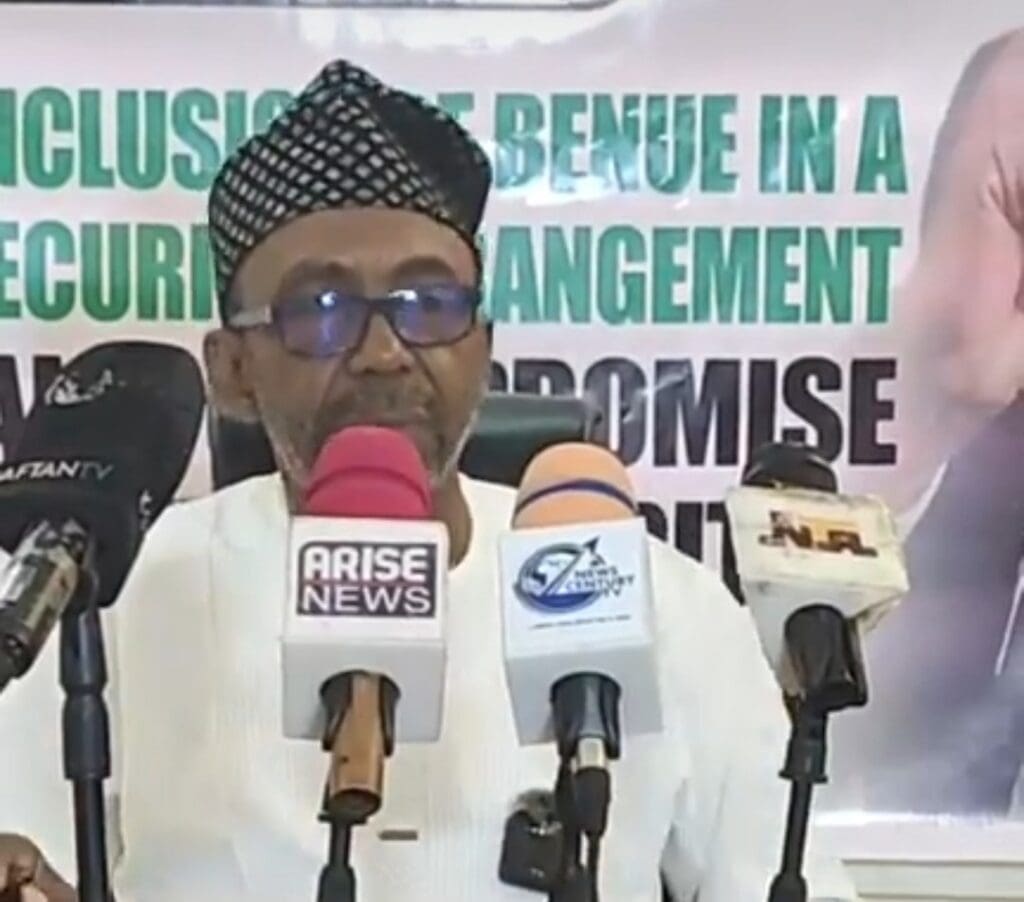
Moore’s remarks have reignited criticism of Governor Hyacinth Alia’s handling of the IDP crisis. Residents of Benue State accuse the governor of abandoning his campaign promise to return all IDPs home within his first 100 days in office.
Bemgba Iortyom, a 2027 governorship aspirant, told TruthNigeria that Alia has failed to deliver on his commitments.
“I completely agree with Representative Riley Moore. The number is even more than 600,000, living in poor conditions,” he said. “More than two years after Alia took office, most IDP camps across Makurdi, Guma, Gwer-West, Logo, Agatu, Apa, Kwande and other LGAs remain active, overcrowded and underfunded. This is the same governor who promised to return them home in his first 100 days.”
‘The IDPs Are Dying’ — Security Analyst
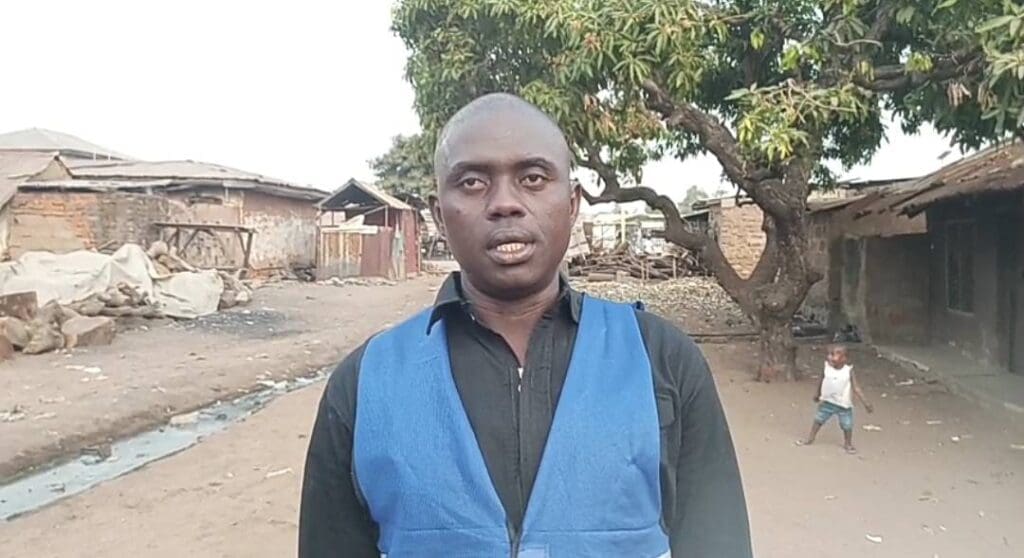
John Anthony Ikwulono, a security analyst and former Deputy Chairman of Agatu, one of the counties hardest hit by Fulani attacks, blamed the Alia administration for failing to provide a meaningful resettlement plan.
“The governor has failed to implement a clear resettlement and reconstruction strategy — no adequate security deployment to reclaimed or contested communities, no sufficient rehabilitation funds and no engagement with federal or international partners who could help facilitate safe returns,” Ikwulono told TruthNigeria.
He warned that IDPs were dying due to poor feeding, lack of medical care, and worsening camp conditions.
“Our Conditions Are Worsening” — IDP
At the Ichwa IDP Camp in Makurdi, Mrs. Alice Nongo described an alarming humanitarian situation.
“We have severe shortages of food, clean water and medical care,” she said. “Some of our members have died due to high rates of malnutrition, especially among children. Overcrowded shelters and poor sanitation have increased cases of sexual violence, trauma and mental health crises, she told Truthnigeria”
She added that IDPs feel abandoned by both state and federal authorities, relying almost entirely on NGOs, faith-based groups, and a few international partners for survival.
International Attention Intensifies
Moore’s visit adds to growing international scrutiny over mass killings and displacement in Nigeria’s Middle Belt, where Fulani Ethnic Militia and other jihadist groups have attacked rural communities for more than a decade.
His statements are expected to heighten pressure on Nigerian authorities and global stakeholders to address:
* Systemic attacks on rural Christian farming communities
* Widespread displacement and land occupation
* The escalating humanitarian crisis in Benue and neighbouring states
Moore stressed that the U.S. government “will continue to monitor the situation closely.”
Moore said the US would engage with stakeholders to push for justice, accountability, and humanitarian intervention.
A Defining Test for Nigerian Leadership
The U.S. delegation’s visit has reignited debate on the government’s responsibility to secure rural communities, rebuild destroyed settlements, and fulfill promises made to displaced populations.
With more than 600,000 IDPs in Benue alone still living in uncertainty, activists say their fate remains a defining test of both the state government’s political will and Nigeria’s broader commitment to protecting vulnerable citizens.
Ekani Olikita, a Conflict Reporter for TruthNigeria.