
By Mike Odeh James
(Abuja) Across Nigeria’s Middle Belt, Christian communities accuse security forces of arresting victims rather than attackers, as Fulani terrorists kill, displace families, and often face no accountability.
An Investigative Feature
Across Nigeria’s Middle Belt, a troubling pattern has emerged. Christian communities repeatedly attacked by Fulani terrorists allege that state security agencies respond not by stopping the violence, but by arresting, torturing, and prosecuting those who resist attacks or speak out.
This investigation documents cases from Benue and Taraba states in which victims say the Nigerian state has turned its coercive power against them.
Takum LGA: Arrested for Being Victims
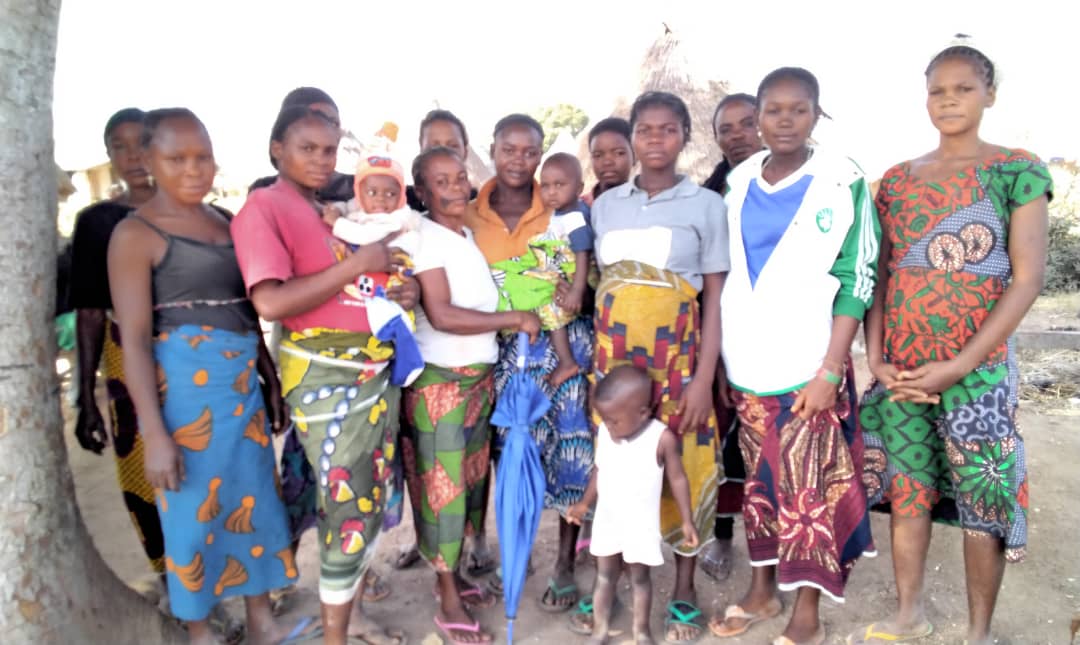
In early December 2025, the Christian community of Amadu in Takum Local Government Area of Taraba State had endured more than three months of attacks. Homes were burned, residents killed, and farmlands destroyed by Fulani terrorists.
On December 5, it was not the attackers who were arrested in Amadu, in Taraba State. Soldiers of the Nigerian Army raided Amadu and arrested 50 Christian men and women. Survivors told TruthNigeria they were verbally abused and physically harassed.
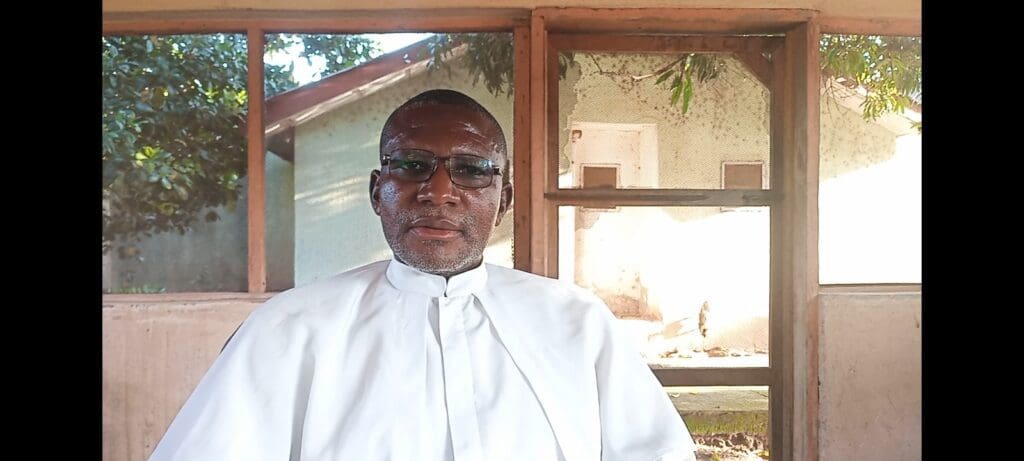
“Their crime was that two Fulani men were declared missing near the community,” said Fr. George Dogo of Holy Family Cathedral.
“It was assumed that because there was a land dispute, those arrested were suspects.”
A TruthNigeria correspondent contacted the officer who led the operation and asked whether he had authority to detain civilians rather than protect them.
“Mr. Journalist, I am doing my job,” the officer replied.
After five hours, more than 20 women were released. Two days later, all but seven detainees were freed.
One of those arrested, Mrs. Sandra Desmond, described conditions in custody.
“They forced us to sit on the bare floor for hours in cold, windy weather,” she said.
“They insulted us, saying we Tiv people are troublemakers who do not want to live in peace with the Fulanis.”
According to her, soldiers threatened reprisals if Fulani men were reported missing again.
“My husband and seven other men were taken to Jalingo,” she said.
“As I speak, my husband is still in detention.”
In Katsina-Ala Local Government Area of Benue State, 78-year-old farmer David Toryila from Bagina village expressed similar concerns.
“The soldiers sent to protect us have turned against us,” he told TruthNigeria.
“Instead of arresting Fulani terrorists, they search us, flog us, and force people to farm for them.”
Toryila said no Fulani terrorists have been arrested in his community.
‘No Fulani Terrorist Arrested’
Daniel Otada echoed that claim regarding Agatu.
“Since the crisis began, I have not seen a single Fulani terrorist arrested or killed,” he said.
“It is Agatu youths who are arrested or killed.”
Fr. Dogo said this pattern is consistent.
“In all these cases, the army does not arrest Fulani terrorists but comes down hard on innocent locals,” he said.
Dragged From His Home
On the night of September 1, 2025, heavily armed, hooded men stormed the home of Oloche Silas Iduh while he was eating with his family in Agatu Local Government Area of Benue State.
Witnesses said the men arrived in four trucks, shoved Iduh’s wife, slapped her, pushed aside their three children, and dragged him into one of the vehicles without explanation.
Iduh, the youth leader of Agatu, disappeared that night.
He resurfaced a month later, on October 2, 2025, in an Abuja court. His body was heavily bandaged, and his left leg was broken.
“He was obviously tortured by men of the Department of State Services (DSS),” said Daniel Otada, a relative of Iduh.
“A notorious secret police in Nigeria that operates like the Gestapo,” he added.
Otada told TruthNigeria that Iduh was charged with terrorism and targeted because of his role as youth leader.
“As youth leader, he was at the forefront of challenging Fulani terrorists in Agatu land,” Otada said.
According to him, the ordeal follows a pattern.
“Before him, three previous youth leaders were arrested, tortured, and charged with terrorism. Some were later warned not to resist Fulani terrorists.”
As of publication, Iduh remains in DSS custody. His wife and lawyers say they have not been allowed to see or speak with him.
Similar allegations have emerged across the Middle Belt.
Christian men and women who protest attacks or attempt to defend their farms say they are often arrested, detained, or disappear, while attackers remain at large.
‘Army Is Used to Suppress Christians’
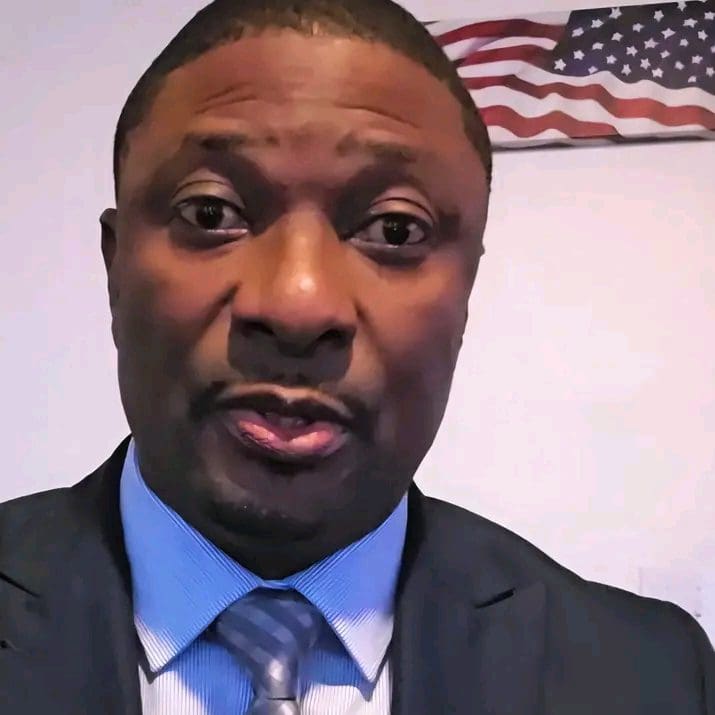
Francis Utoo, a native of Yelewata in Guma Local Government Area of Benue State, accused the military of enabling land seizures.
“Any time there is a crisis, soldiers arrive and do nothing while Fulani terrorists attack,” he said.
Utoo alleged that after a 2022 attack in Yelewata, identity cards bearing Nigerian Army insignia were recovered from dead attackers.
“We took the cards and bodies to army headquarters in Makurdi,” he said.
“Nothing was done.”
TruthNigeria could not independently verify this claim.
Experts Speak
Yusuf Zariyi, a university lecturer and Middle Belt advocate, described the problem as systemic.
“I believe the military has been compromised,” he said.
“Christian communities are punished even when they are the victims.”
He cited incidents in Mangu, Plateau State, where vigilantes were reportedly killed by soldiers and later labeled “bandits.”
Kola Alapinni, an international human rights lawyer and U.S. State Department awardee, said the pattern raises serious legal questions.
“It is unexplainable when security forces turn on indigenous communities instead of terrorists,” he said.
When contacted, the Nigerian Army in Taraba refused to reply to TruthNigeria queries.
Mike Odeh James is a conflict reporter for TruthNigeria.