
They Confess Fulani Ethnic Militia behind Killings, Call for Negotiations
By Ekani Olikita
(Makurdi)— Prominent Fulani Tribal leaders have publicly acknowledged that many of the armed groups responsible for killings, kidnappings and mass displacement across Nigeria are locally rooted Muslim Fulani ethnic militia (FEM), reigniting national debate over accountability, security strategy and calls for negotiation and amnesty.
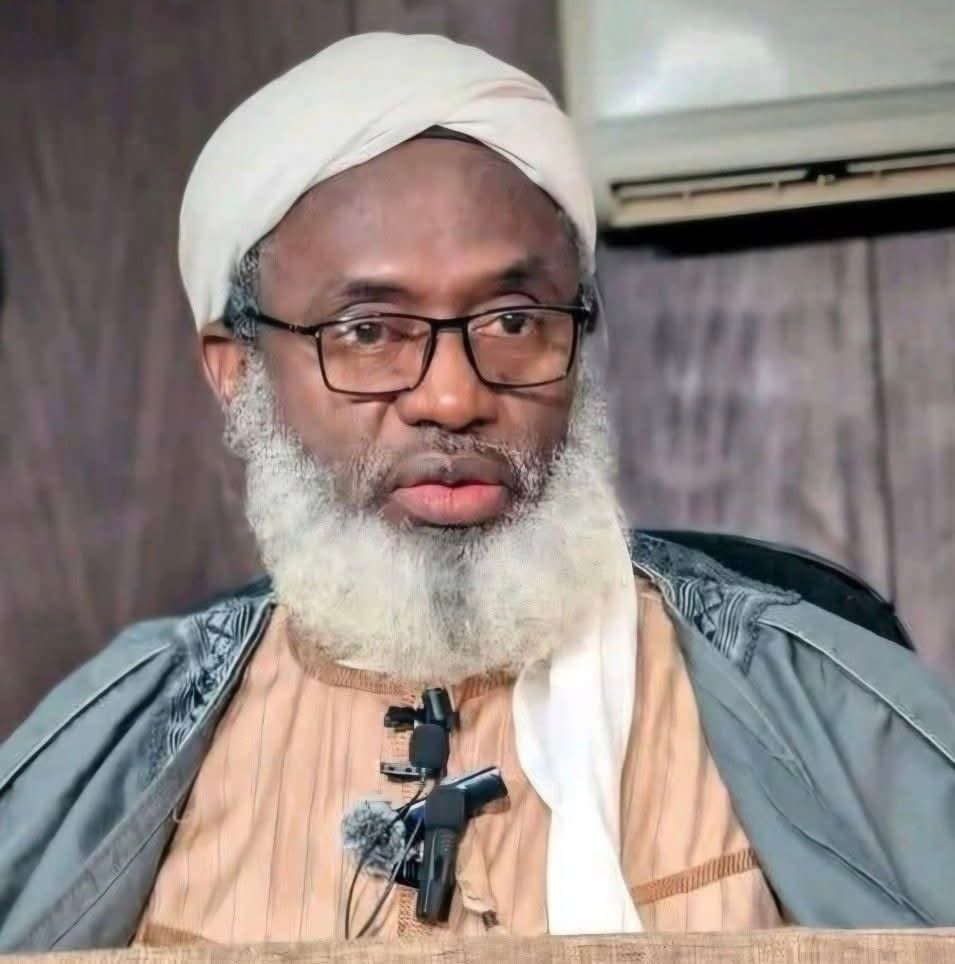
The admissions, made by former Kaduna Central Senator Shehu Sani and Kaduna-based Islamic cleric Sheikh Ahmed Abubakar Gumi, come amid worsening violence in Nigeria’s Northwest, Northeast and Northcentral states, where armed attacks have devastated rural communities, displaced millions and crippled agriculture.
Suspected Fulani militia groups have been linked to thousands of deadly attacks across Nigeria. According to the Observatory for Religious Freedom in Africa, Fulani militants were responsible for killing almost 24,000 civilians in the 4-year reporting period.(See page 51 of the report), making the conflict one of the deadliest in the country’s recent history.
‘The Killers Are Not Foreigners’ — Shehu Sani
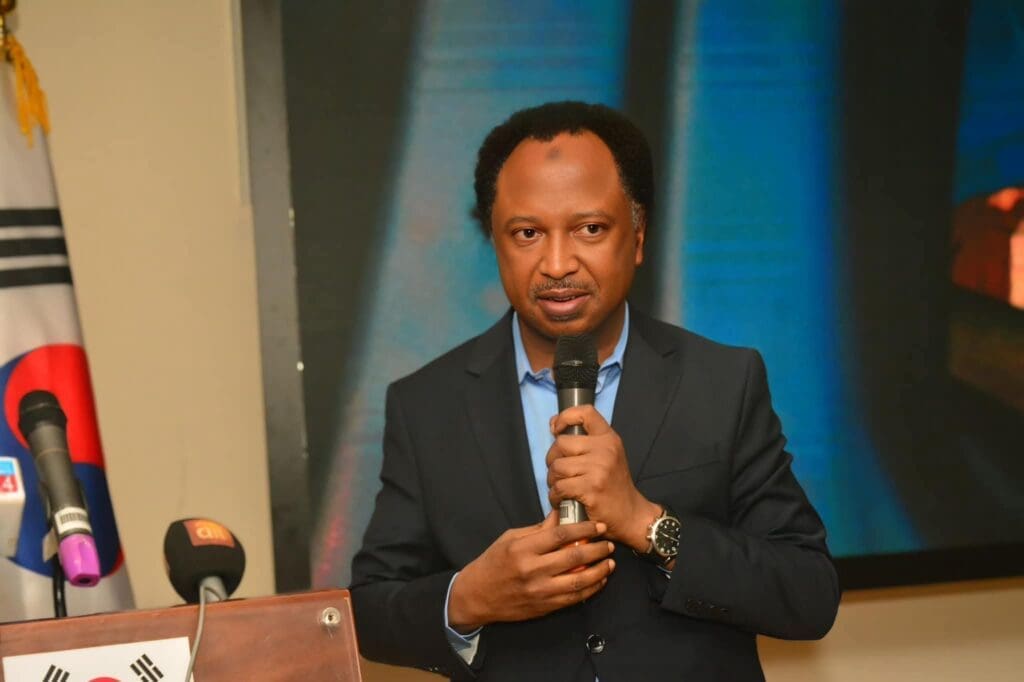
Speaking during a public discussion on Insecurity in November 2025, Senator Shehu Sani (2015–2019), now President of the Civil Rights Congress of Nigeria (CRCN), dismissed claims that foreign mercenaries are behind Nigeria’s insecurity.
“The terrorists killing people in Nigeria are not from Congo, Malawi, Libya or Egypt; they are northerners and they are Muslims,” Sani said. “We must be honest about this.”
He stressed that the pattern of violence in the Northeast, Northwest and Northcentral reflects the same reality.
“The bandits in the North-West are not from Senegal, Mali, Morocco or Guinea. They are Fulani from the North-West of Nigeria,” he stated, warning that denial and blame-shifting have prolonged the crisis.
According to Sani, progress will only come when community and ethnic leaders take responsibility for addressing the violence.
“They are not speaking Chinese or Spanish. They speak Fulani, Hausa and Kanuri. These are our languages,” he added.
‘Revenge Mission’ Narrative — Sheikh Gumi
In a separate interview with Trust Television in November 2025, Sheikh Ahmed Abubakar Gumi again admitted that, the attackers were armed Fulani Ethnic Militia but defended them, portraying their actions as retaliatory.
“Everybody knows the herdsmen as the Fulani. They don’t just attack people. They don’t attack without cause,” Gumi said.
The cleric, a long-time advocate of dialogue with armed groups, urged President Bola Ahmed Tinubu’s administration to abandon heavy military offensives in favor of negotiation, rehabilitation and amnesty.
“What the government needs to do is to bring them together in a holistic way so there will be peace, if you call them for peace, they come”, Gumi said.
His comments have drawn widespread criticism from victims’ groups and security analysts, who accuse him of excusing mass atrocities and legitimizing violence under the pretext of grievance.
National Outcry and Security Concerns
The remarks by Fulani leaders have sparked strong reactions from security experts, civil society organizations and conflict researchers, who argue that acknowledging the ethnic identity of perpetrators must not translate into justification or collective blame.
Analysts warn that while dialogue can be a conflict-resolution tool, granting blanket amnesty to armed groups responsible for massacres, abductions and village destruction risks entrenching impunity.
“These groups are no longer just aggrieved herders. Many are organized criminal networks involved in kidnapping-for-ransom, arms trafficking and territorial control. Negotiation without accountability risks rewarding violence”, Stephen Oche, a Senior Security Analyst told Truthnigeria.
Civil society organizations representing victims in Benue, Plateau, Kaduna, Zamfara, Niger and Katsina states insist that justice, prosecutions and protection of vulnerable communities must precede any amnesty initiative.
Ethnicity, Religion and the Risk of Generalization
Rights advocates also caution against broad ethnic or religious labeling, noting that millions of law-abiding Fulani citizens are themselves victims of insecurity.
“Criminality must be individualized,” said human rights activist Patience Ori in an interview with Truthnigeria. “Failure to do so fuels ethnic polarization and collective punishment, which only worsens the conflict.”
Nonetheless, some analysts believe that frank admissions by influential leaders could help dismantle the denialism that has long undermined effective security responses.
Policy Dilemma
Nigeria now faces a difficult policy choice: whether to intensify military action, pursue selective dialogue, or combine enforcement with deradicalization and justice mechanisms.
While the Federal Government has not officially endorsed a nationwide Amnesty for armed groups, consultations are reportedly ongoing as violence continues to claim lives and displace rural populations.
For many Nigerians, particularly those in affected communities, the priority remains immediate security, return to ancestral lands and justice for lost loved ones.
As the debate intensifies, the admissions by Fulani leaders have shifted the national conversation from “who is responsible” to “what must be done” and “at what cost”.
Ekani Olikita is a Conflict Reporter for TruthNigeria.