
By Ezinwanne Onwuka
Nigeria is facing one of the deadliest waves of religiously targeted violence in its modern history. Yet as the crisis worsens, a troubling reality remains: Nigerians in the diaspora are not raising their voices. And as attacks grow deadlier, that silence is becoming harder to ignore.
Expats told TruthNigeria the lethargy is shocking, especially at a time when global pressure could change the trajectory of the crisis.
The Spate of Violence
Christian communities across Nigeria continue to face rising attacks from jihadist groups, including Fulani militia, Boko Haram, and its offshoot Islamic State West Africa Province (ISWAP).
Homes and churches are destroyed, priests are kidnapped—sometimes murdered—and families are forced out of land they have lived on for generations.
The violence, once concentrated in Nigeria’s Muslim-majority north, has pushed deep into the Middle Belt and parts of the south, where most of the country’s Christians live.
The insecurity worsened under the former late President Muhammadu Buhari (2015-2023), and it has not slowed down.
Washington Steps in Hard
The growing violence triggered a firm response from Washington.
In late October, President Donald Trump restored Nigeria’s status as a Country of Particular Concern, America’s highest designation for religious freedom violations.
Before the redesignation, President Trump threatened to send the U.S. military into Nigeria ‘guns-a-blazing’ to tackle the Islamist militant groups killing Christians, blaming the Nigerian government of failing to protect Christians.
“They’re killing record numbers of Christians in Nigeria. They’re killing the Christians and killing them in very large numbers. We’re not going to allow that to happen,” he declared.
Secretary of State Marco Rubio followed by announcing visa restrictions on “those who knowingly direct, authorize, fund, support, or carry out violations of religious freedom.”
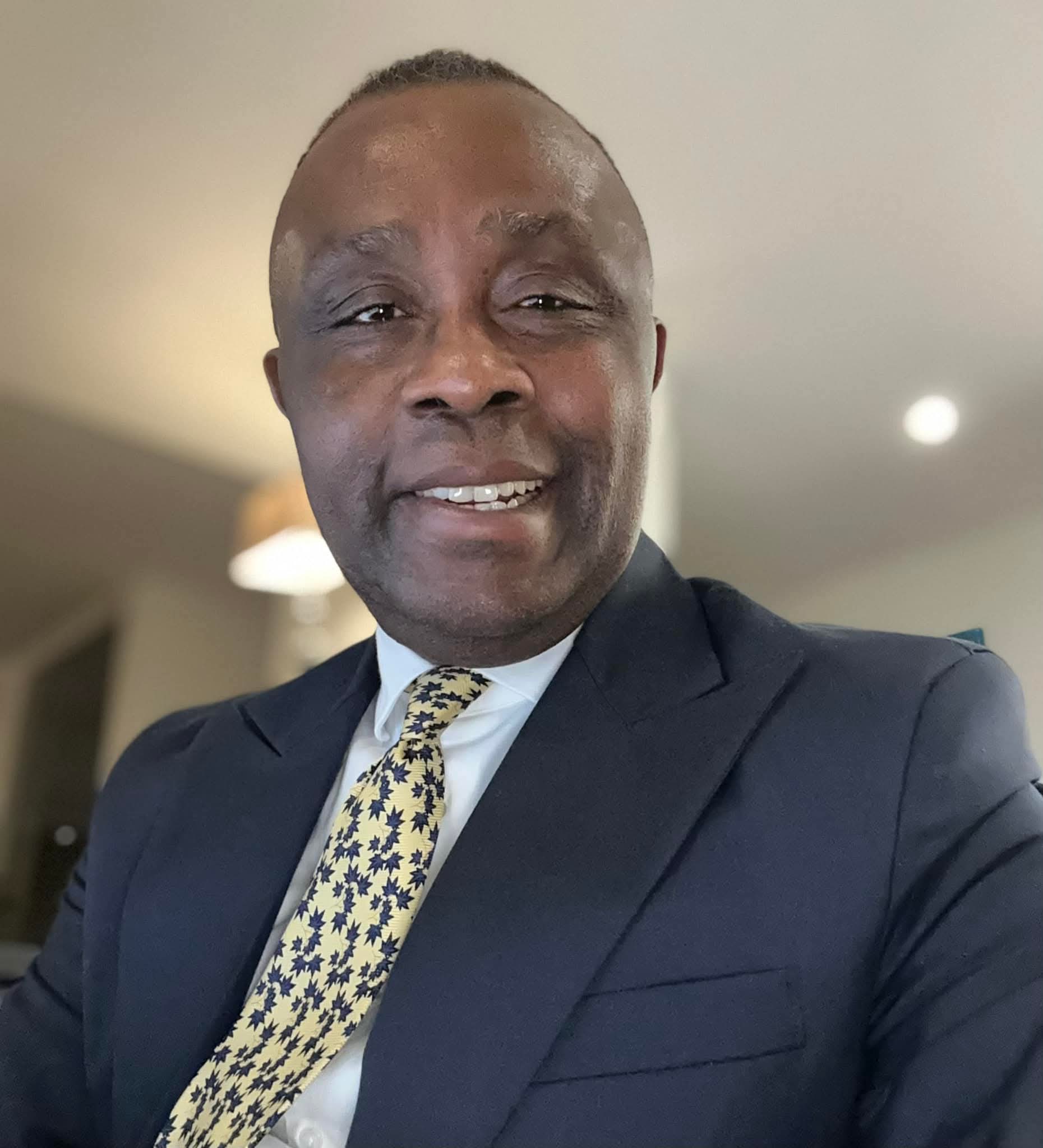
For Belgium-based policy expert Collins Nweke, the decision shuts down long-standing escape routes Nigeria’s corrupt elites exploit. “This is a move designed to close escape routes for elites who commit crimes at home but seek safety or privilege abroad,” he said.
Secretary Rubio’s announcement came a day after U.S. lawmakers held a Capitol Hill roundtable on Nigeria’s ‘targeted persecution’ of Christians.
They demanded that the Tinubu administration disarm armed groups across the north and the Middle Belt, restore displaced families, prosecute attackers, reform blasphemy laws, and act promptly on early-warning signs of attacks. Failure, they warned, could lead to sanctions, aid freezes, or restrictions on security cooperation.
The Diaspora’s Muted Response
With Washington stepping up pressure and Nigeria sinking deeper into violence, one would expect diaspora Nigerians to rise as a powerful lobbying force. But instead, their response has been scattered and faint.
“There has been fragmented, uneven advocacy. Nigerian diaspora groups have spoken at different times, but not with the coordination, consistency, and amplification required for Washington to feel a unified lobby,” Nweke said.
He noted that faith-based groups, human rights NGOs, and clergy abroad have raised concerns, but never in a way that builds sustained momentum.
According to him, “The absence of a structured, continuous lobbying block gives the false impression of silence. So the real problem is not quietness. It is a lack of organised, sustained, and strategic messaging.”
Nweke said many Nigerians abroad appear distant because they fear how their views will be interpreted.
In his words, “Diasporans have seen voices on insecurity quickly labelled: partisan, anti-government, anti-north, anti-Islam, and anti-Christian. To avoid being dragged into Nigeria’s bitter identity wars, they stay quiet.”
‘Self-destructive’ Detachment
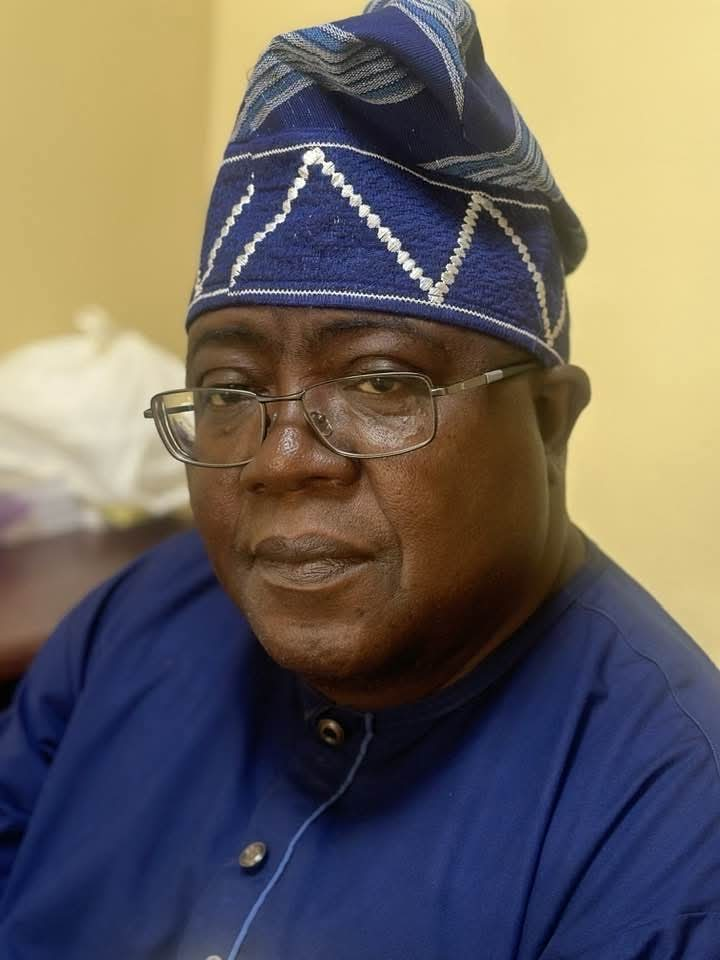
For Dr. Oluwasayo Ajiboye, President of Mission Africa International, the diaspora’s hesitation is dangerous. He said the consequences of this hesitation are “self-destructive because it blocks help from coming.”
Ajiboye noted that countries like China, Germany, and Ukraine get U.S. attention because they consistently communicate their needs. He cited former Congressman Frank Wolf, who once observed that “small South Sudan, not larger than Lagos, does a better job presenting its case at Congress than mighty Nigeria.”
Ajiboye told TruthNigeria that the major obstacle holding the diaspora back is misinformation, which leaves them uninformed about the true scale of the anti-Christian violence in Nigeria.
“The Lagos press, controlled by Asiwaju for the past 20 years, has limited the narrative to what government wants to hear. The northern press have an ideological problem—the support for Sharia, while the southern press is controlled by owanbe—they like saying nice things,” he said.
He praised TruthNigeria for cutting through the noise. “TruthNigeria is doing a massive work, an excellent work. The diaspora needs information. The mainstream media isn’t doing a good job. I commend TruthNigeria.”
What Washington Can Do Next
Nweke and Ajiboye agree that diaspora advocacy can be revived.
Nweke suggested creating a diaspora–State Department liaison desk, building whistleblower protections, expanding interfaith diplomacy, and holding regular congressional hearings on Nigeria.
Ajiboye stressed that diaspora Nigerians are practical, highly educated, and results-driven.
“Nigerians in the diaspora are not impressed by loud noise but by strong actions that respect Nigerian sovereignty while showing that the U.S. government cares for ordinary people,” he said. Their focus, he noted, is always on families back home: “uncles in the village, aunts in Ibadan, brothers in Lagos.”
For that reason, he warned Washington not to route assistance through Nigeria’s political class.
“President Trump must not throw money or dabble into Abuja politics in the name of fighting terrorism,” he said. “Whatever it does must go to the poor masses, not the dark hole of Abuja, not to the thieves of our commonwealth.” Doing so, he said, would immediately capture the diaspora’s attention and make them engage with clarity and purpose.
Ezinwanne Onwuka writes special features for TruthNigeria.