
Analysis
By Steven Kefas
(Kaduna) When American precision missiles struck Sokoto on Christmas Day, they did more than eliminate militants, they shattered the untouchable status of Nigeria’s Islamic Caliphate seat.
The Symbolic Weight of Sokoto
The strike’s location carries weight that transcends military strategy. Sokoto is not merely another Nigerian state, it is the historic seat of the Sokoto Caliphate and the Sultanate, the spiritual and political headquarters of Islam in Nigeria. For over two centuries, the Sultan of Sokoto has wielded influence that extends far beyond the state’s borders, serving as the custodian of Islamic authority across the nation’s Muslim-majority regions.
“In Islam, religion and politics are intertwined, not separate. The Sultan is both a political and religious leader of Muslims in our country. It’s their religious and political headquarters, the seat of power,” Fr. Oliver Ortese, a Catholic priest living in Makurdi, Benue State, told TruthNigeria.
“So, they organize and plan activities of their jihad there, then move out to execute. It took American intelligence gathering to figure this out.” Fr Ortese said.
His assessment underscores what many security analysts have long suspected, but few have been willing to articulate publicly: that Sokoto’s religious significance has made it strategically valuable for militant groups seeking sanctuary, recruitment networks, and ideological legitimacy. “To strike Sokoto, their seat of power, is to them a declaration of war,” Fr. Ortese continued. “The USA has made a big statement: ‘We see you. We know you, and we are ready and coming for you.'”
A Nation Divided: Divergent Religious Reactions
The psychological impact of targeting this historically protected space has created sharply divergent reactions across Nigeria’s religious landscape.
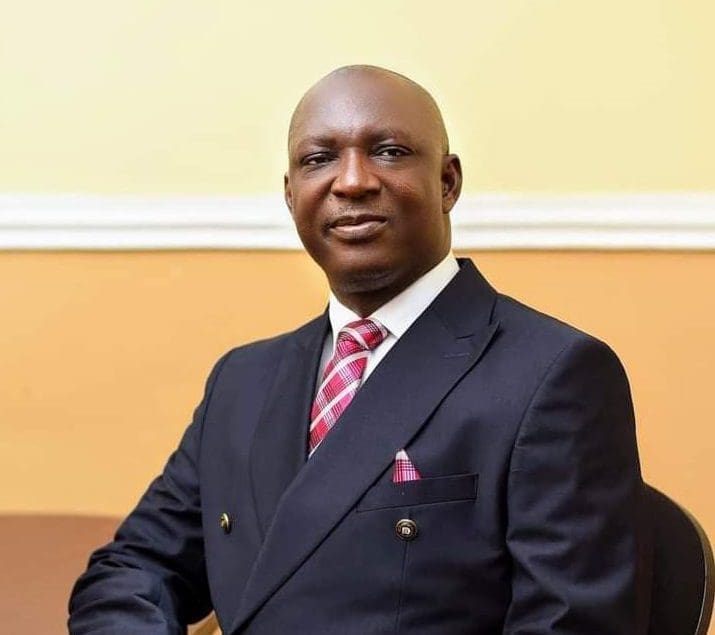
Rev. John Joseph Hayab, Chairman of the Christian Association of Nigeria in the 19 northern states and the Federal Capital Territory, described the strike as a watershed moment.
“The US strike on Sokoto North Nigeria has further increased hope that terrorists will soon be defeated if it is sustained,” Hayab told TruthNigeria. “The strike has great psychological impact on clergies of the region.”
“Some Northern [Muslim] clergies are seeing it as an assault on Islam or the North while [Christian] clergies of the Middle Belt see it as a promise fulfilled by Trump since the federal government has not been able to push the terrorist this hard,” he explained.
For Middle Belt communities, predominantly Christian populations who have endured decades of attacks and land seizures, the Sokoto strike represents validation that their suffering has been visible.
“I do not see the US strike as victory for any group but as victory for all poor Nigerians who have been killed or tormented in their homes, communities, churches or places of worship by the evil terrorist groups,” Hayab said. “The morale of the larger Nigeria communities has been boosted by this first strike.”
The Northern Christian Elders Forum (NOSCEF) echoed this sentiment, with Chairman Sunday Oibe questioning why any rational observer would oppose action against militants. “Why should any sane mind be against rooting out these criminals by whatever means necessary?” Oibe asked. “Whether it is American, Indian, or Togolese support that will help Nigeria uproot this evil, it should be welcomed.”
The Message to Militants: Nowhere is Safe
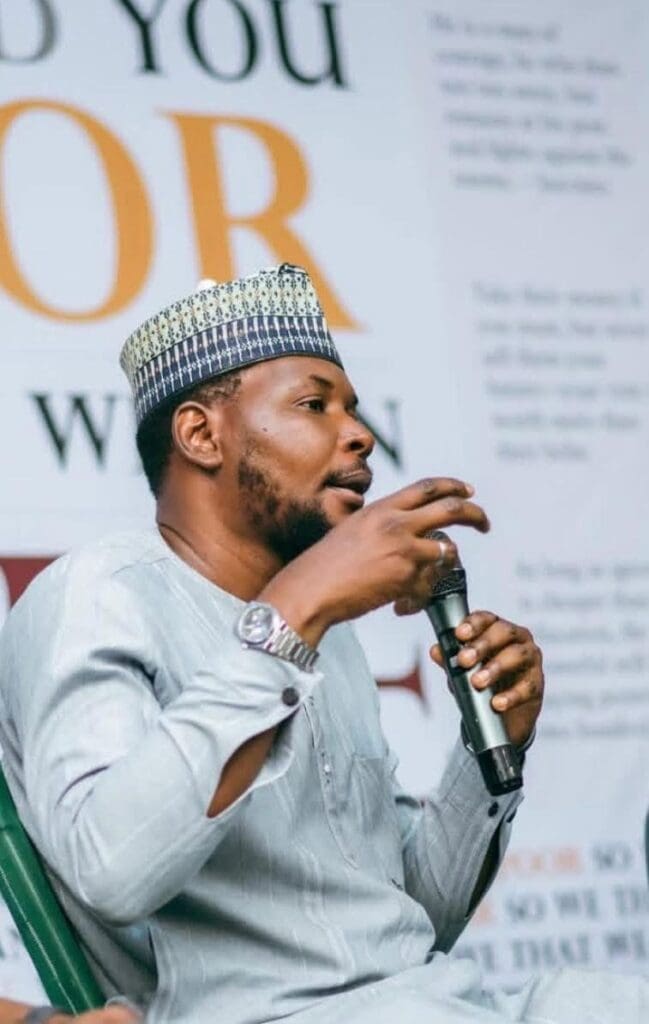
“Psychologically, the terrorists have come to terms with the fact that there is a new Sheriff in town,” according to analyst Zariyi Yusuf. “Sokoto, the Seat of the Caliphate, holds a strategic place among Muslims in Nigeria. Unfortunately, its religious significance is one advantage that makes it a strategic depot for ISIS and its affiliates,” Yusuf told TruthNigeria.
Yusuf noted that prior to the strike, many observers had dismissed Sokoto’s security challenges as mere banditry. “Except for this attack, many people believed all there was in Sokoto were some random poverty-stricken military-age men who just happened to have access to arms and engaged in banditry,” he said. “The message of the Sokoto surgical strike is simple, ‘we do not wait for you to come; we follow you home to your base.'”
The timing proved significant. “It is not a coincidence that this Christmas went quiet in the Middle Belt,” Yusuf observed. “The fact that a precision strike on an Islamist militia base in Sokoto kept the most part of the Middle Belt quiet as against earlier threats by Fulani Islamists, the best answer is, ‘Why not Sokoto?'”
The Controversial COAS Visit
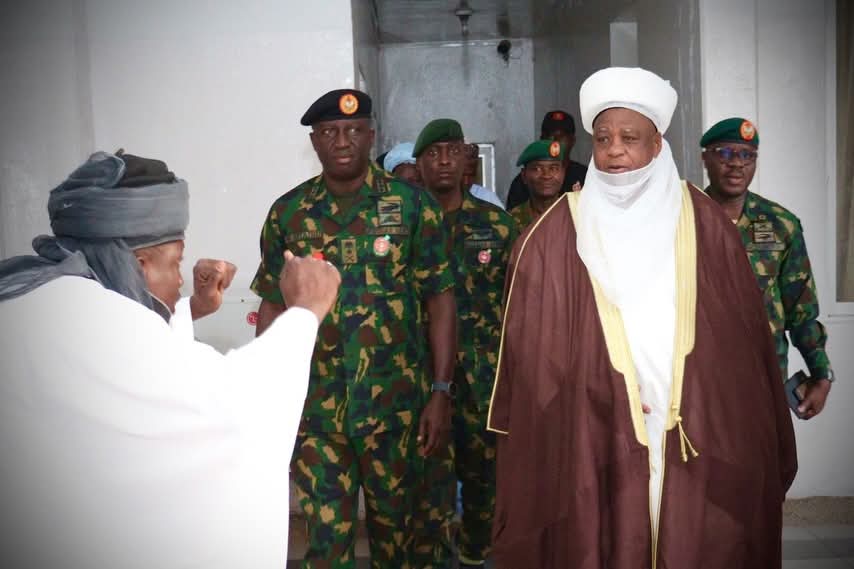
The strike’s aftermath produced another layer of symbolism: the visit of Nigeria’s Chief of Army Staff to the Sultan of Sokoto the day after the operation. The visit raised questions about the Nigerian military’s relationship with traditional authorities in areas where militants operate.
“While the visit may look like solidarity to the Sultan, following a successful military strike on ISIS elements in Sokoto, I think the visit is unnecessary,” Yusuf said. “I deem it unnecessary because I have not found any statement from the Sultan commending the military operation. I suspect the Christmas bombing must have created a form of isolation for the Sultan that the COAS felt the need to visit.”
Yusuf expressed skepticism about the precedent such visits might set. “I await the outcome of that visit with a lot of skepticism, because I suspect the silence of the Sultan could mean the Seat of the Caliphate may not be comfortable with the Christmas surgical strike. However, the state government has commended the success of the bombing.”
Political Implications and the Tinubu Question
Africa security expert Scott Morgan, who specializes in Sahelian jihadist activities, noted the political dynamics at play. “It was interesting to see several Nigerian politicians praising President Trump for the strike and not President Tinubu,” Morgan told TruthNigeria. “If President Tinubu is running for reelection this strike leads to questions about his priorities.”
Morgan’s observation points to an uncomfortable reality: the American intervention has exposed the Nigerian government’s limitations in confronting militancy in politically sensitive areas. The language shift in official Nigerian statements suggests a recalibration of how the government positions itself relative to external security partnerships.
The Road Ahead
Whether this marks a turning point in Nigeria’s long war against jihadist insurgency, or merely a temporary disruption of entrenched networks, remains to be seen. What is certain is that by striking the symbolic heart of the Caliphate, the United States has redrawn the psychological map of Nigeria’s security landscape and forced uncomfortable questions into the open that can no longer be ignored.
Steven Kefas is a conflict reporter for TruthNigeria.