
Line Between Jihadist Insurgents and Jihadist Bandits Increasingly Blurred: Experts
By Onibiyo Segun
(Abuja, FCT, Nigeria) From Kogi’s riverbank villages through Benue-Plateau rivers to Kaduna and Kebbi’s wheat fields, Fulani Ethnic Militia attacks are shifting, deadlier, and increasingly coordinated.
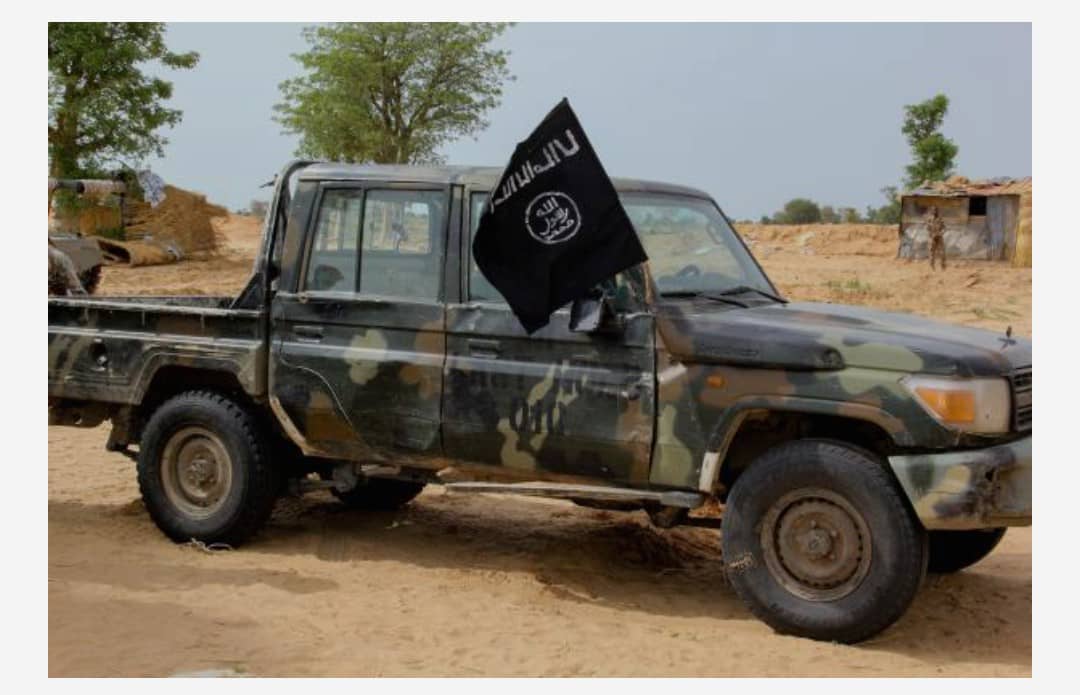
A surge of terrorist-linked attacks stretching from Kogi through Niger and into Kebbi is reshaping the security map of Nigeria’s northwestern corridor. Security logs reviewed by TruthNigeria show a pattern of hit-and-run raids, night-time encirclement of farming communities, deliberate targeting of Christian villages, and scorched-earth reprisals after residents resist extortion demands.
While the violence in the West – Kogi, Niger, Zamfara, Kebbi follows a terrorist -bandit-militia blend of kidnappings, arson, and ransom extraction, the eastern arc, Nasarawa, Benue, Plateau, Taraba, Adamawa shows a more ideological, and in some cases, ethnic-cleansing pattern.
Communities in Nasarawa and Benue describe systematic raids involving hundreds of armed herders sweeping through Christian farming settlements, burning churches, displacing families, and occupying farmlands afterward.
Security analysts note that attacks in Adamawa and Taraba involve long-range reconnaissance by scouts known locally as “babbake,” who profile villages for week-long
The Kingpins: Names Behind the Western and Eastern Cells
TruthNigeria’s investigations across conflict zones and interviews with security sources identify several militia and bandit commanders active between Kogi and Kebbi:
Isyaku Gudale, operating between Lokoja–Ajaokuta forest lines in Kogi state
Ali Kawaje, controlling the Magama–Tegina region in Niger State
Dogo Gide, notorious Zamfara warlord with cells extending into Kebbi. Disputed reports indicate he was killed last year, but he is alive according to TruthNigeria sources.
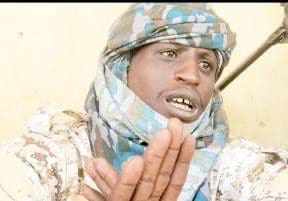
Bello Turji, Sokoto–Kebbi border enforcer tied to cross-border Fulani networks
In the East, security trackers list:
Mannir Ardo, Nasarawa–Benue militia commander
Usman Tashan, Plateau–Taraba strike-group leader
Abubakar “Malam Bakura”, linked to Adamawa–Cameroon cattle routes
TruthNigeria’s past reporting has highlighted these actors as central nodes in the conflict ecosystem, especially where criminality merges with ideological violence.
Lakurawa and Bandits Collaborating: Experts
“Across Kebbi, Zamfara, Sokoto, and Niger, multiple security documents and community testimonies suggest growing collaboration between Lakurawa (“the recruits”), Fulani extremist groups sometimes distinguished from regular pastoralists and long-standing kidnapping syndicates,” according to Retired Brigadier General Felix Tuggar, a military consultant based in Lagos told TruthNigeria.
He added, “The collaboration is opportunistic: Lakurawa provide logistics and terrain intelligence, while terrorists-bandits provide manpower, weapons channels, and revenue through ransom.”
TruthNigeria previously reported joint raids by Lakurawa scouts and bandit gunmen in the Kainji–Kontagora belt, where villages were simultaneously attacked and farms occupied.
Blurring Line Separating JNIM, ISWAP, and Boko Haram from Terrorist-Bandits
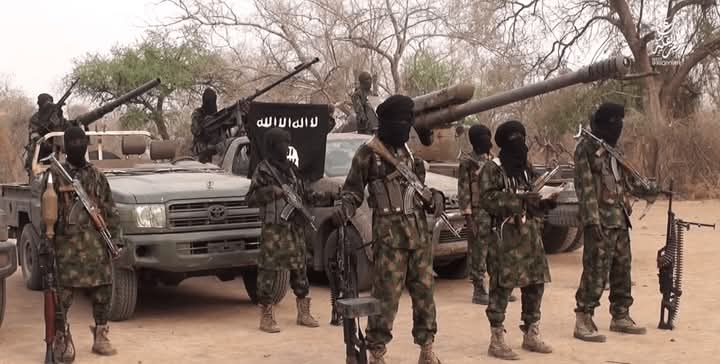
“In the eastern flank from Nasarawa through Adamawa, militia violence increasingly mirrors jihadist operational signatures. French intelligence assessments on the Sahel warn that JNIM (Jama’at Nusrat al-Islam wal-Muslimin) couriers regularly move weapons across Niger–Nigeria cattle routes,” Dr. Solomon Imumole a security analyst told TruthNigeria.
A 2024 UN report indicated that Boko Haram “associates” frequently exchange ammunition for food supplies with Fulani militias in border forests.
Reuters earlier documented ISWAP fighters infiltrating Taraba–Adamawa forests to trade logistics with herder-militia cells.
Expert Views: What These Patterns Mean for Nigeria
“Western attacks are tactical and tied to economic criminality, while eastern attacks show ideological cleansing indicators. The danger is that both regions are now borrowing tactics from each other.” Dr. Hassan Bukar, a Counterterrorism Researcher, based in Kaduna said, while speaking to TruthNigeria.
Sarah Daniels, an International Terrorism Analyst told TruthNigeria, “the Nigeria–Niger–Mali corridor has become the most fluid exchange zone for terrorist-jihadist–criminal mergers in West Africa.”
Sarah Daniels went further: “Herder militias are no longer isolated actors; they are part of a broader grid of transnational violence.”
“The east-side militias increasingly adopt territorial consolidation strategies, including post-attack occupation and seasonal migration control, mirroring JNIM operations in Mali”, says Prof. Jonah Balami, Specialist in Conflict and Strategy in a telephone interview with TruthNigeria.
“We see shared weapon pipelines, shared camps, and shared logistics. Bandits and extremist herder cells now behave like a single market with different vendors,” ACP Ibrahim Garba, Northwest Security Coordinator, a senior police chief overseeing operations in Niger and Kebbi told TruthNigeria.
Dr. Bero Ariri, a Sahel Security and Radicalization Expert added that, “the merging of criminality and ideology is accelerating Nigeria’s rural collapse. When violent groups, whether ethnic militias, jihadists, or bandits begin using identical supply chains, they evolve into a hybrid threat. That’s what Nigeria is currently facing.”
Communities Crushed at the Intersection of Two Wars
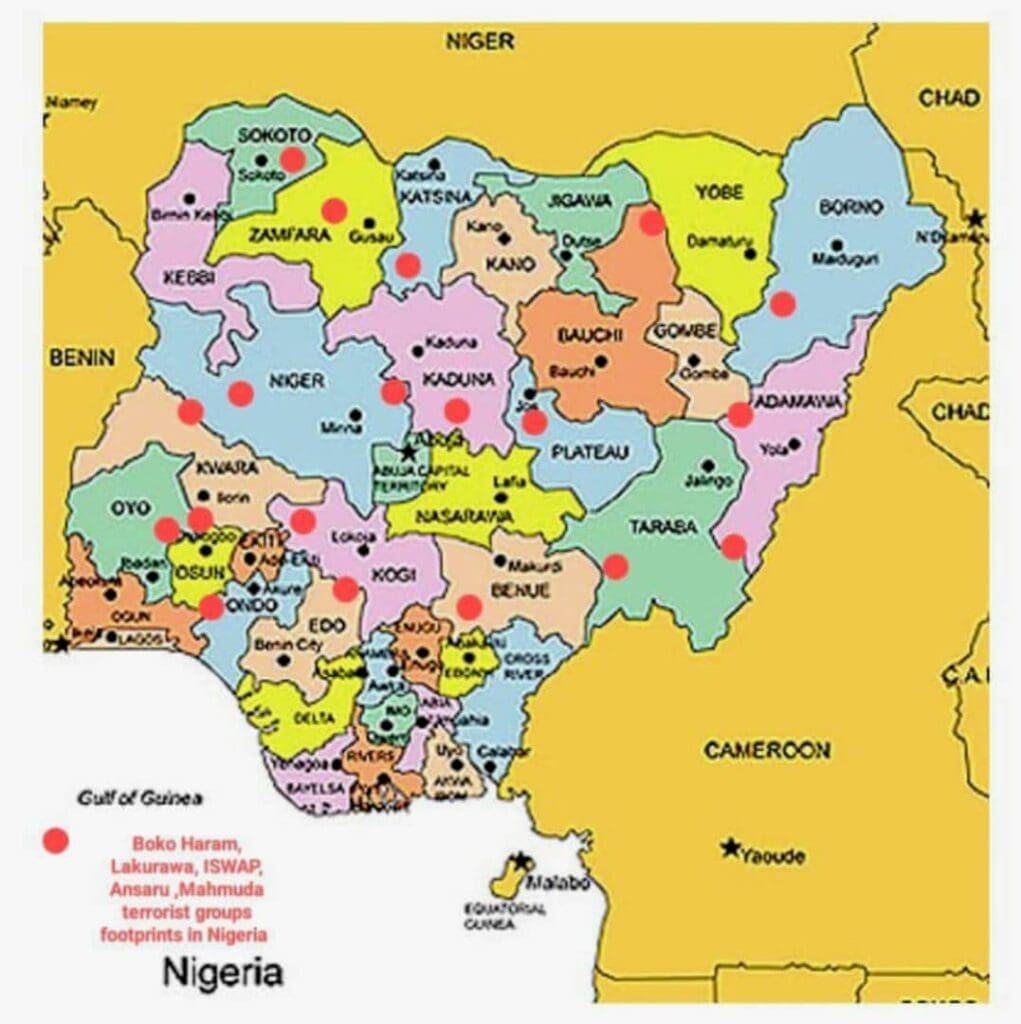
The consequences are devastating. In Kogi’s Omala County area, villages have been emptied after repeated night raids by Kingpin Isyaku Gudale’s men. In Kebbi’s Wasagu–Danko belt, TruthNigeria documented coordinated attacks on Christian communities where women were abducted and properties burned, violence mirroring earlier raids in Taraba and Adamawa.
Eastern communities tell similar stories. In Nasarawa’s Jangwa and Plateau’s Mangu, survivors described attackers arriving on motorcycles and horseback, chanting commands in Fulfulde, and torching homes after residents fled.
These stories echo TruthNigeria’s earlier findings on displacement spikes following herder-militia expansions.
Nation at a Crossroads
Nigeria now faces simultaneous threats: in its Northwest: criminal banditry growing into territorial fiefdoms; and in the Northcentral: Fulani ethnic extremist cells expanding ethnic-cleansing raids. Jihadist groups weave through both worlds with increasing ease.
Security experts warn that unless federal forces disrupt the weapon pipelines and mobility corridors from Niger Forest to the A1 Highway belt, both regions will become indistinguishable war zones.
For now, from Kogi to Kebbi and Nasarawa to Adamawa, Nigeria’s twin frontlines are quickly converging.
Onibiyo Segun reports on terrorism and conflicts for TruthNigeria.