By Mike Odeh James
(Abuja) The Nigerian government’s deployment of Forest Guards to secure lives in dense forests has ignited fierce opposition from Middle Belt thought leaders who question federal oversight of the controversial security initiative.
Launched in May 2025, the Presidential Forest Guards Initiative (PFGI) represents Abuja’s response to escalating terrorist attacks and kidnappings for ransom that have turned Nigeria’s vast forested regions into criminal sanctuaries.
Yet, in the Middle Belt—Nigeria’s most contested and bloodied security corridor—the initiative has landed with a thud of anxiety.
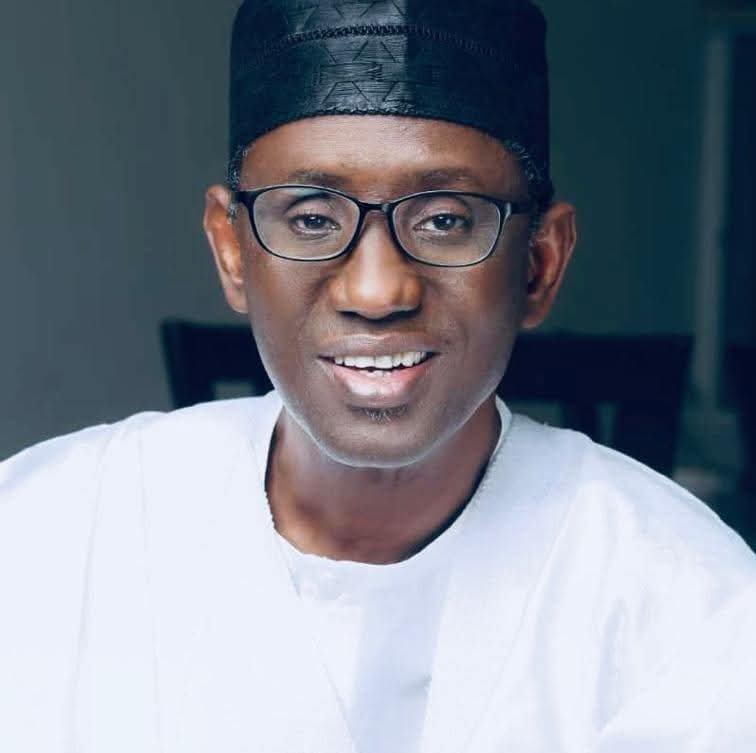
The reason: Office of the National Security Adviser (ONSA), led by Mallam Nuhu Ribadu, oversees the initiative and conducted a three-month training program covering tactical fieldcraft, human rights, arms handling, and long-range patrols.
Middle Belt leaders interviewed by TruthNigeria take issue with recruitment of staff and control of budget by an appointed leader whose Fulani ethnic background may cause complications with impartial policing of rogue members of his tribe.
The program has recruited, trained, and deployed more than 7,000 forest guards across seven frontline states: Borno, Sokoto, Yobe, Adamawa, Niger, Kwara, and Kebbi. Each state recruited thousands of local men to ensure knowledge of terrain and the social ecosystem of their habitats.
Across Plateau, Benue, Southern Kaduna, Nasarawa, and Taraba, hundreds of attacks have been attributed to Fulani ethnic militias and allied jihadist groups. Hundreds of villages have been burned and taken over. Tens of thousands have been driven from their farmlands.
Middle Belt Leaders Speak
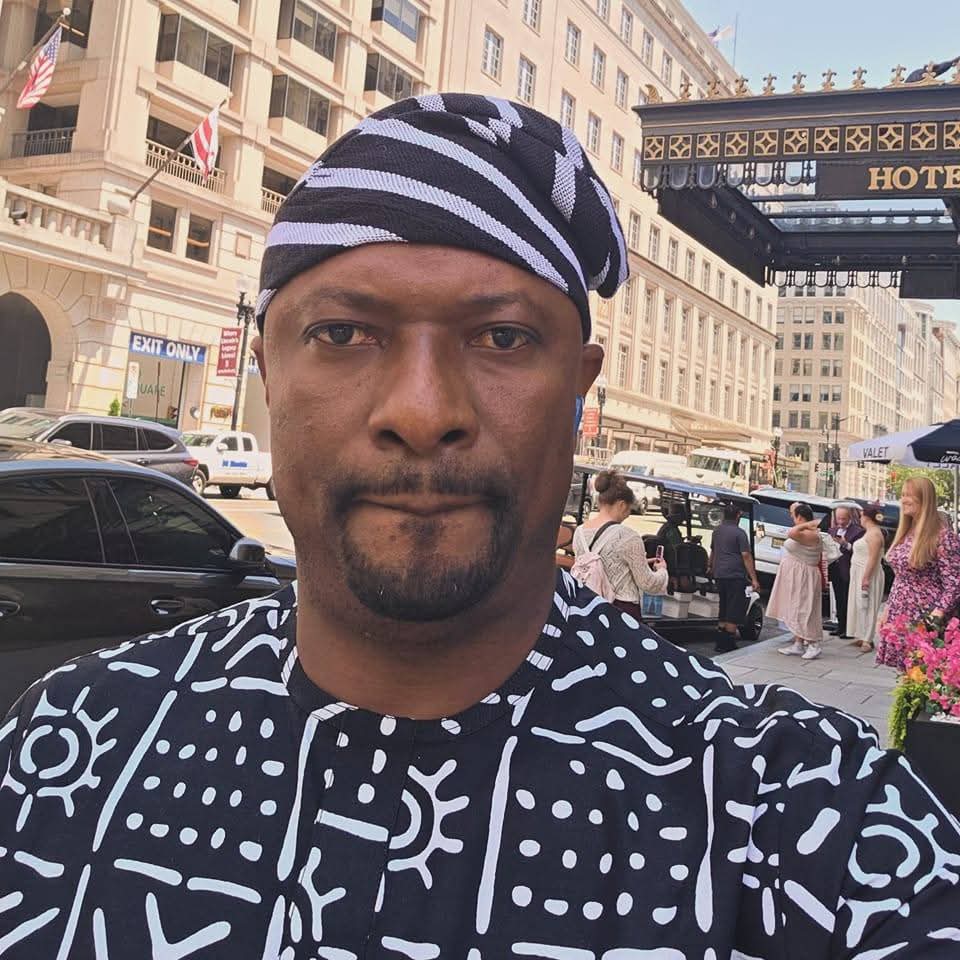
Barrister Franc Utoo, a native of Yelewata and a Nigerian in graduate school in the United States, expressed to TruthNigeria a deep concern about the initiative’s leadership structure.
“Our communities in Benue do not trust a Forest Guard structure placed under an office currently led by Nuhu Ribadu,” Utoo said. “This is not ethnic prejudice; it is based on lived experience and recent scandals,” Utoo told TruthNigeria.
He cited allegations involving armed Fulani groups.
“Under his watch, armed Fulani groups linked to Miyetti Allah have reportedly been equipped and shielded under the label of vigilantes,” Utoo said. “Serious questions remain about arming non-state actors in places such as Kwara and other Middle Belt states worst hit by massacres,” he added.
Barrister Solomon Dalyop of Plateau State, a prominent leader of the Berom tribe, echoed these concerns, particularly over recruitment and accountability.
“Forest Guards can only be prevented from ethno-religious sentiment when Nuhu Ribadu is removed and someone with impeccable character is appointed to oversee the program,” Dalyop told TruthNigeria.
He warned that centralized recruitment exposes the force to manipulation.
“Native authorities should be responsible for selecting applicants into the Forest Guards as a safeguard against infiltration,” Dalyop said. “These guards must protect everyone.”
While acknowledging the constitutional role of the NSA, Dalyop said confidence in the current leadership is deeply eroded.
“Ordinarily, the NSA should hold the Forest Guards accountable,” he said. “But not under Nuhu Ribadu. His ability to manage this policy objectively is doubted.”
Fear of Fulani Domination
“Forest Guards must never be dominated by a single ethnic group—especially groups that communities already associate with mass killings and land seizures,” Utoo said.
“Recruitment must involve traditional rulers, church leaders, women’s groups, and youth representatives, or the force risks being viewed as an occupation structure,” Utoo went on to say.
Utoo also criticized the exclusion of Middle Belt flashpoints from the first deployment phase.
“When places such as Plateau, Benue, Southern Kaduna, Nasarawa, and Taraba are not front and center, victims draw a painful conclusion,” he said. “The areas suffering the worst killings are once again treated as expendable.”
“If this initiative were truly threat-driven,” he added, “the communities that have buried the most people would be prioritized.”
Foreign Analysts Weigh In
From Washington, D.C., Africa security analyst Scott Morgan said his confidence would be higher if Nigeria modeled the force after the elite rangers of Virunga National Park in the Democratic Republic of Congo. He warned that unclear command structures could turn the Forest Guard into an unaccountable armed force vulnerable to corruption and infiltration by the very criminals it was supposed to pursue.
While acknowledging the need for federal coordination, Morgan stressed that states must have real input into recruitment, training, and deployment, supported by audits and legislative oversight.
Promise and Peril

“The Forest Guard is a bold and necessary step toward closing long-standing security gaps that criminal groups have exploited for years,” said Kyle Abts, co-director of the International Committee on Nigeria (ICON).
“By establishing a permanent security presence in ungoverned forest spaces, the Forest Guard has the potential to deny bandits and insurgents the sanctuaries they depend on,” Abts told TruthNigeria.
Abts warned against too much centralization.
“If operational control becomes overcentralized at the national level, the Forest Guard risks politicization and the erosion of local trust,” he cautioned.
Forest Guards Should Be Well Armed – Utoo
“Members of the Forest Guards should be well trained and better equipped with latest technologies, Utoo added.
“At the same time, they need drones, Armored Personnel Carriers and heavy firepower,” he said.
The American-based lawyer insisted that the country needs a force larger that 7000 men.
“Though, the President says it aims was to recruit over 130,000 men and women into the armed forces and forest guards, I think, Nigeria needs more than 700,000 men and women as fighting force,” Utoo said.
“As for the Forest Guards, they should have up to 300,000 men and women to properly protect Nigerians and guard forests, he added.
Mike Odeh James is Conflict Reporter for TruthNigeria.