By Douglas Burton and Allison Bradley
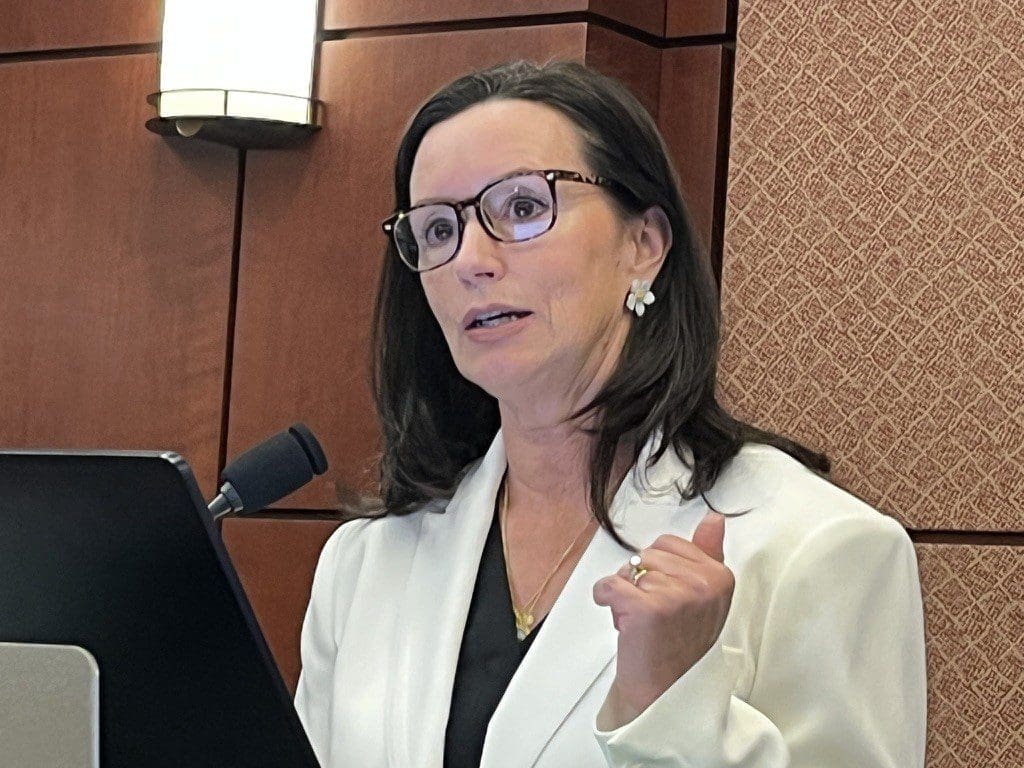
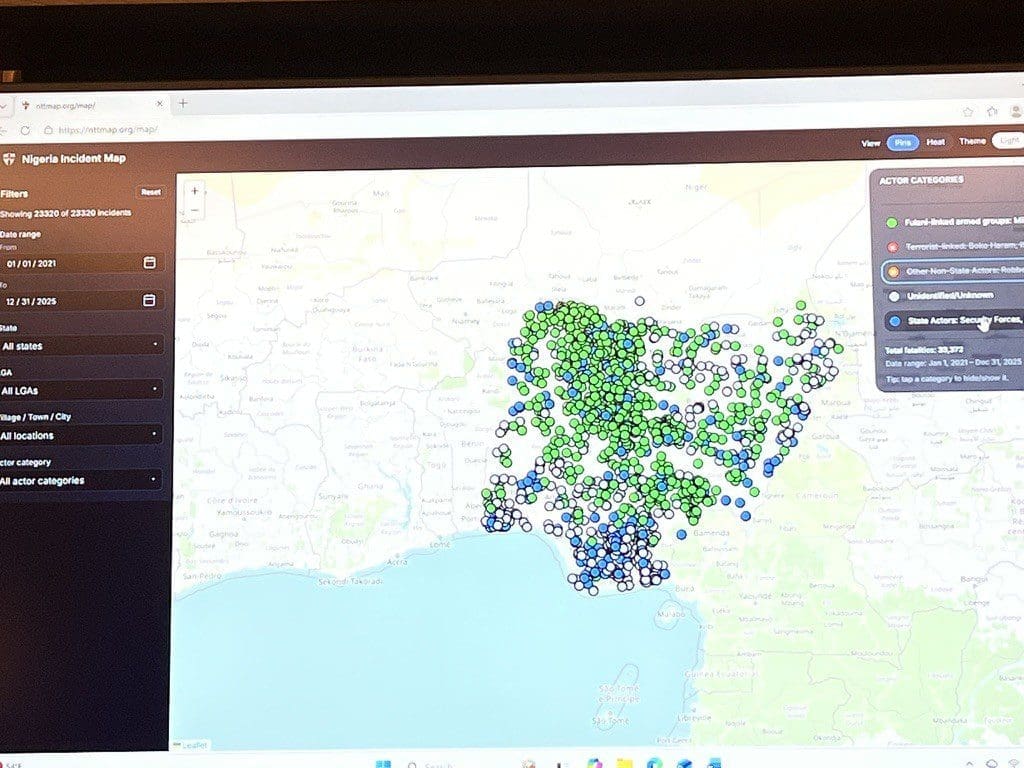
Washington, D.C. – January 15, 2026 – Human rights advocates, congressional representatives, and faith leaders convened at the U.S. House Visitor Center on January 14, 2026, for a press conference organized by Equipping the Persecuted (ETP). The event provided an urgent update on violence against Christians in Nigeria and officially launched the Nigeria Terror Tracker, an interactive online tool designed to clearly map and document the locations of terrorist attacks over the past five years.
The press conference came amid heightened U.S. attention to the crisis following a Christmas Day 2025 U.S. military strike on jihadist targets in northwest Nigeria. Speakers presented compelling evidence of systemic violence against Nigerian Christians perpetrated by radicalized Fulani ethnic militias – often overlooked by mainstream media.
Judd Saul, Executive Director and founder of Equipping The Persecuted, introduced anew tool for conflict analysts: an interactive digital map depicting five years of terrorist incidents, The Nigeria Terror Tracker.
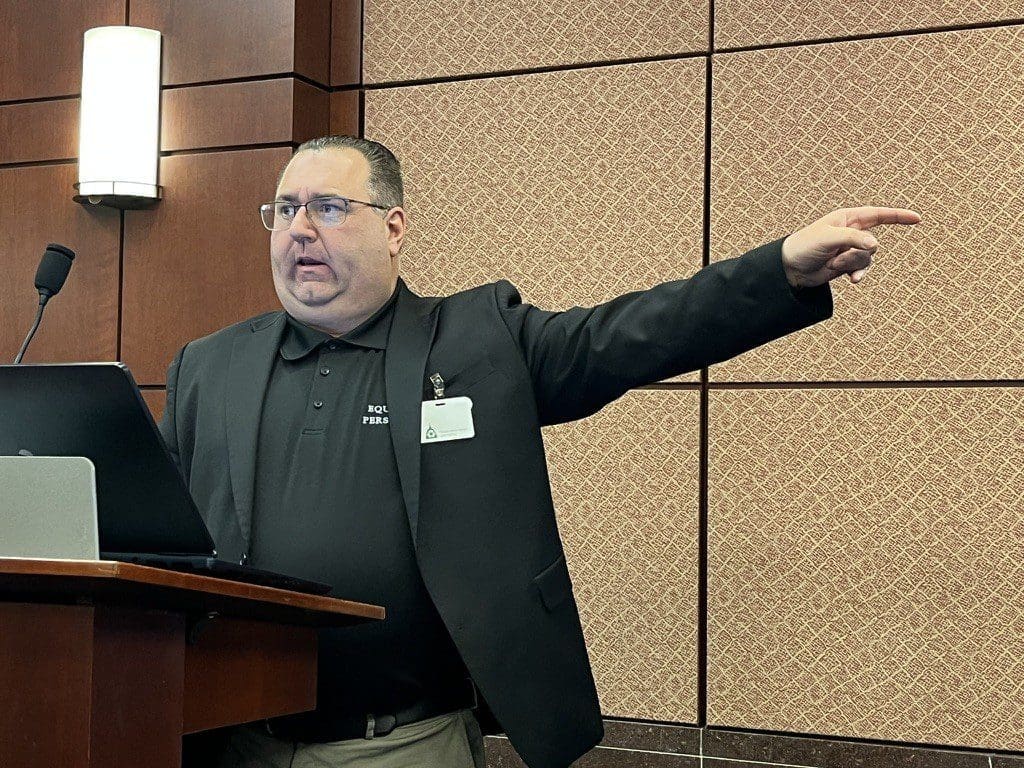
“The Nigeria Terror Tracker exposes five years of terror—who carried it out, where it happened, and who was ignored,” said Saul.
Saul emphasized the tool’s role in countering narratives that deliberately obscure the religious targeting, adding that the map uses verified reports to pinpoint perpetrators, locations, and patterns.
“If we ignore the genocidal role of the Fulani ethnic militia, we are doing a disservice to the victims,” Saul said.
He decried the fact that Abuja had set aside $9 million for a White House-connected lobbying firm called DCI expected to peddle Abuja’s false narrative about Christian persecution.
“But if you take the Judas money and tell lies, we will hold you accountable. The fraud is going to be exposed,” Saul told the conference.
Saul delivered a pointed call to the Trump Administration: “When genocide is happening, neutrality is complicity,” he said.
Speakers urged direct confrontation with confirmed terrorist entities, particularly highlighting the Fulani Ethnic Militia as a primary actor in attacks on Christian villages.
“Fulani jihadists have really concentrated on Christians,” said Dr. Gregory Stanton, the founder and current chairman of Genocide Watch. “They target Christian villages and schools, but they leave Muslim villages and schools untouched.” Stanton summarized 12 polemical strategies deployed by Christian genocide deniers to deflect honest examination of Nigeria’s complicity with the jihadist terrorists.

The 12 Deflections are the following:
1. Question and minimize the statistics.
2. Attack the motivation of the truthtellers.
3. Claim that deaths were caused by economic pressures.
4. Emphasize the strangeness of the victims.
5. Rationalize the deaths as the result of Nigerian history.
6. Blame “out of control” forces for committing the killings.
7. Avoid antagonizing, the killers who might walk out of the “peace process.”
8. Justify denial in favor of current economic interests.
9. Claim that the victims are receiving good treatment.
10. Claim that what is going on, doesn’t fit the definition of genocide.
11. Blame the victims.
12. Argue that peace and reconciliation are more important than blaming people for genocide.
Dede Laugesen, President of Save the Persecuted Christians, explained how kidnapping and ransom have become “an industry” in Nigeria. When someone is kidnapped, she explained, their family members often sell all their belongings to pay the ransom, just to find themselves also kidnapped and placed into camps she compared to “open-air Auschwitz.”
Congressional speakers included Michigan Congressman Bill Huizenga and Indiana Congressman Marlin Stutzman, who outlined a strategic plan for U.S. engagement. They stressed the need for the Trump administration to prioritize protection of persecuted Christians, referencing recent data on specific incidents and calling for targeted sanctions, aid, and security support.
“The least I can do is stand here and stand for religious freedom and also stand for life because there’s no other greater gift from God than to have a life on this earth,” said Stutzman.
Huzienga traveled to Nigeria in December just before Christmas to meet with leaders in Plateau state.
“We wanted to let them know, look, the CPC (Country of Particular Concern) designation is not a permanent marker,” he said, adding that the country can make improvements to its treatment of Christians and responses to possible crimes.
Maureen Ferguson, representing the U.S. Commission on International Religious Freedom (USCIRF), addressed the religious freedom dimensions of the crisis. She underscored the implications for U.S. policy, aligning with broader concerns about Nigeria as an epicenter of Christian persecution according to Open Doors’ 2026 World Watch List.
You can watch the full press conference here.
Douglas Burton is the managing editor of TruthNigeria. Allison Bradley is the media spokesperson for Equipping the Persecuted.