
By Ekani Olikita
Survivors of the 2025 Yelewata Massacre have expressed cautious relief and renewed hope following the first official court appearance of suspects linked to the deadly attack.
The attack, one of the deadliest in Nigeria’s Middle Belt in recent years, left at least 270 Christians, mostly women, children and internally displaced persons, brutally killed. More than 400 homes, churches and farm structures were also destroyed.
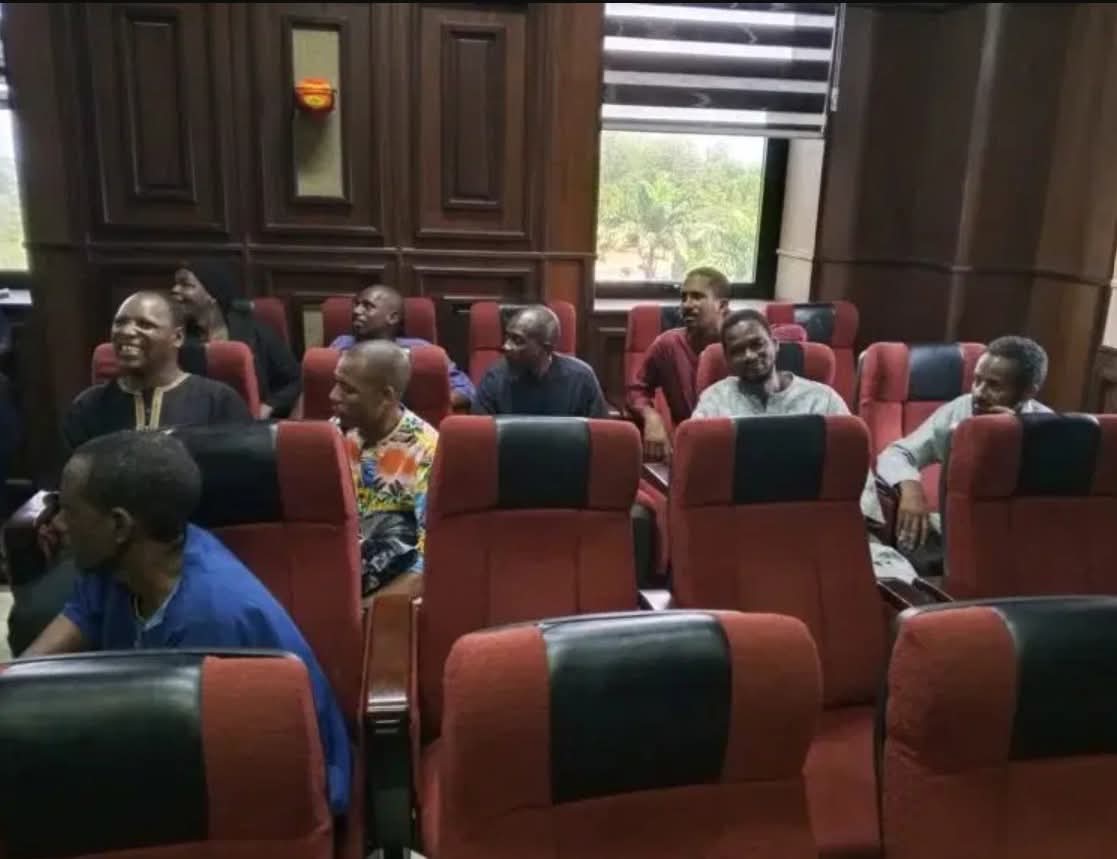
Nine suspects, Ardo Lawal Mohammed Dono, Ardo Muhammadu Saidu, Alhaji Haruna Abdullahi, Yakubu Adamu, Alhaji Musa Mohammed, Abubakar Adamu, Shaibu Ibrahim, Sale Mohammed and Bako Jibrin, alleged members of the Fulani Ethnic Militia (FEM), were arraigned on Monday, February 2, 2026, before the Federal High Court in Abuja and have been remanded in Kuje Prison. They face charges over their alleged roles in the coordinated assault on Yelewata community in Guma County (Local Government Area) of Benue State
For many survivors, the arraignment represents a rare moment of accountability after more than a decade of recurring violence marked by arrests but few, if any, prosecutions.
“At Least the World Is Watching Now”
Speaking with TruthNigeria, residents described the court appearance as a long-awaited breakthrough, though tempered by deep mistrust of Nigeria’s justice system.
Mr. Terhemba Aondohemba, a rice farmer from Yelewata who lost six relatives in the attack, said the arraignment offered survivors a fragile sense of validation.
“For the first time since my people were slaughtered like animals, I feel our cries have reached somewhere,” he said. “We have buried too many without justice. Seeing these suspects in court tells us that at least the world is watching now, even if Nigeria has failed us for years.”
Eyewitness accounts of the June 13–14, 2025, attack indicate that armed Muslim Fulani Ethnic Militia, speaking Fulfulde and chanting Allahu Akbar, stormed Yelewata around 11:30 p.m. on Friday and continued the assault until about 2 a.m. the following morning. Homes were torched and residents shot indiscriminately. Many of the victims were internally displaced persons who had fled earlier violence in nearby communities.
“Justice Delayed Is Justice Denied”
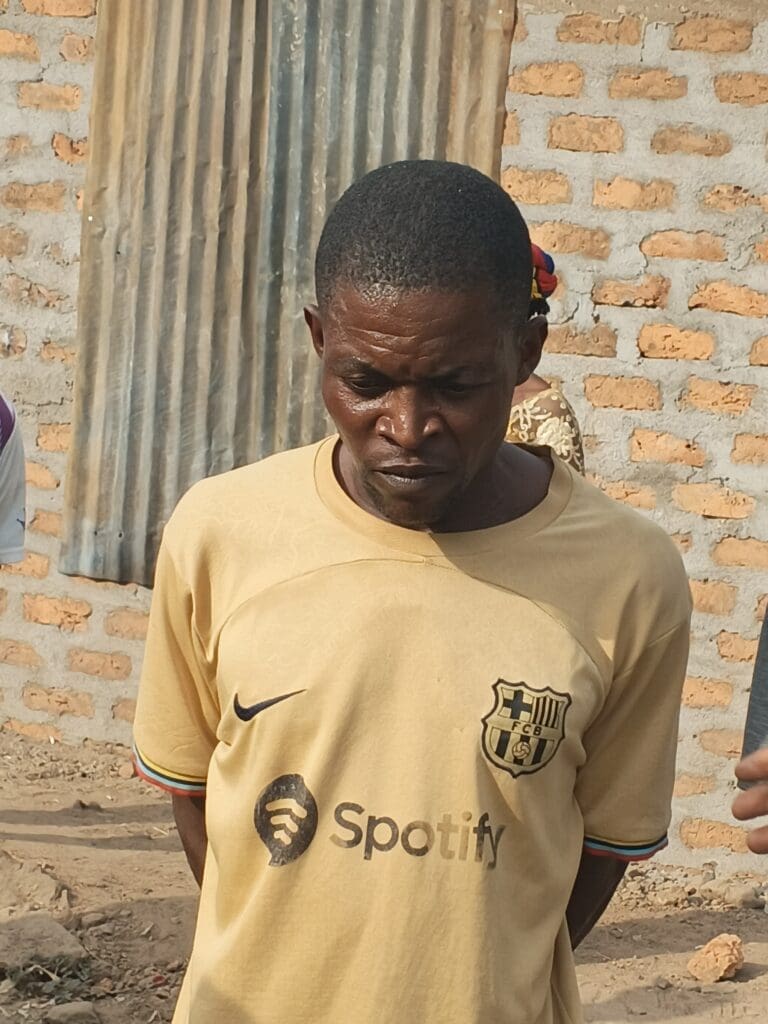
Mr. Fidelis Adidi, who lost his wife and four children in the attack, described the suspects’ court appearance as painfully overdue.
“My wife and four children were burned alive in our house,” he told TruthNigeria. “My two surviving children still wake up screaming at night. This case should have happened long ago. Justice delayed is justice denied, but we are praying this one will not end like others.”
Like many survivors, Adidi fears the suspects could eventually be released without consequence.
“We have seen arrests before, but we have never seen convictions,” he said. “That is why we are watching closely.”
A Pattern of Violence in Nigeria’s Middle Belt
Benue State, located in Nigeria’s Middle Belt, is an agrarian region of over 4.3 million people and predominantly Christian. Often referred to as the “Food Basket of the Nation,” the state plays a vital role in Nigeria’s food security, producing staples such as yam, rice, cassava, maize and beans.
Despite its importance, Benue has endured sustained attacks by Fulani Ethnic Militias since 2013, resulting in thousands of deaths and the displacement of millions.
According to the Observatory for Religious Freedom in Africa (ORFA), Fulani Ethnic Militias have been linked to more than 55,000 deaths across Nigeria’s Middle Belt over the past four years, with Benue among the worst affected.
Residents say the violence has continued with near-total impunity.
“This Is Why People Have Lost Faith”

Credit: Mathias Archive.
Mr. Achin Mathias, a youth leader from Yelewata, said the arraignment highlights how rare justice has become for rural communities.
“This is why people have lost faith in government,” he said. “We know where these militias operate. Everyone knows. But until now, no one has ever been prosecuted. This case must not be allowed to quietly die in court.”
He warned that failure to secure convictions could further radicalize affected communities.
“If justice fails again, people will begin to believe they are on their own,” Achin said. “That is dangerous for the country.”
Security Analyst Weighs In
A security analyst specializing in Middle Belt conflicts, based in Oklahoma, United States and an indigene of Yelewata, Franc Utoo described the arraignment as “symbolically important but structurally insufficient.”
Utoo, himself a survivor who lost 38 relatives in the massacre, said the court appearance breaks a longstanding pattern of total impunity.
“However, one case does not resolve a systemic failure of security and governance,” he told TruthNigeria. “Successful prosecution will require political will, witness protection and transparency throughout the judicial process.”
He warned that without these safeguards, the case could collapse.
“Nigeria has a history of high-profile arrests followed by silent releases,” Utoo said. “That cycle must be broken if deterrence is to be achieved.”
Utoo added that prosecutions alone will not end the violence.
“The state must dismantle the networks that finance, arm and shield these militias,” he said. “Otherwise, arrests will remain symbolic gestures rather than real solutions.”
Cautious Hope Amid Deep Skepticism
While the court appearance has sparked cautious optimism, residents insist that justice will only be proven through convictions and sustained security reforms.
For survivors of the Yelewata massacre, the case is more than a legal process, it is a test of whether their lives matter in the eyes of the Nigerian state.
“We are not celebrating yet,” Adidi said quietly. “We are watching. Justice has taken too long to come, but we are praying it does not stop halfway.”
Ekani Olikita is a Conflict Reporter for TruthNigeria.