
28 Christians murdered in Jos as U.S. Senator Ted Cruz warns Abuja officials accused of enabling jihadist violence
From secret releases of terror suspects to sanctioned money men in Kano and Kaduna, new scrutiny falls on Nigeria’s political and financial enablers of extremist groups
By Ebere Inyama
ABUJA – On Palm Sunday, terror returned to Jos. At least 28 worshippers were killed when armed jihadists stormed Christian neighborhoods in Plateau State — an assault that has drawn global outrage and a sharp warning from U.S. Senator Ted Cruz, who accused Nigerian officials of enabling terrorism through corruption and silence.
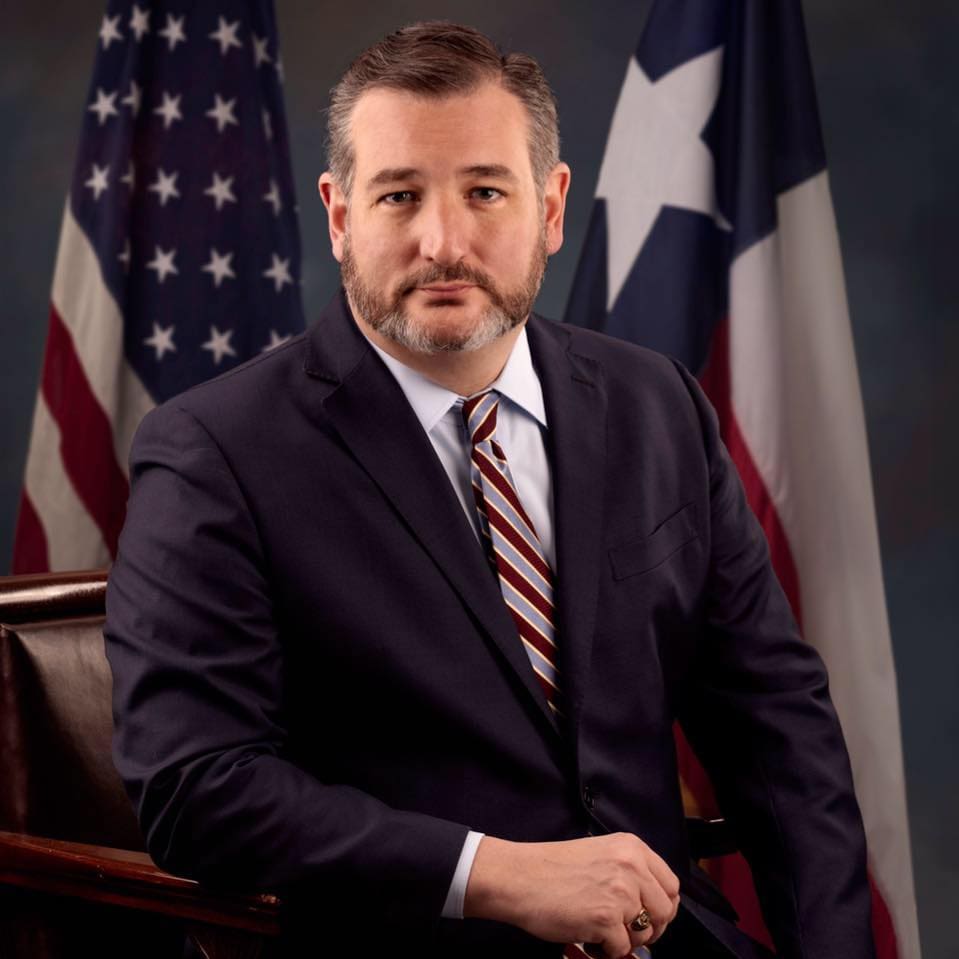
“Another slaughter of Christians in Nigeria,” Cruz wrote on X, vowing that Washington would hold Nigerian officials accountable for creating an environment where Christians are routinely attacked.
Sen. Cruz called out Nigerian officials. “Nigerian government officials have created an environment in which Christians are routinely persecuted and slaughtered, by imposing sharia law and looking the other way at violence”, Cruz said on X.
“Those officials should know that the U.S. knows who they are, and has the tools to hold them accountable”, Cruz warned.
Who are the terror sponsors?
In 2024, the Federal Government of Nigeria identified 15 individuals and business entities accused of moving funds, logistics, and resources for terrorist groups — a revelation that exposed the financial arteries sustaining jihadist violence.
The designated individuals, according to Counter Insurgency Expert, Zagazola Makama , includes Kaduna-based Desert Herald newspaper editor, Tukur Mamu who was reportedly offered a N50 million ($36,000) share by the terrorist group who attacked the Abuja-Kaduna bound train in 2022 and Kano-based Yusuf Ghazali who reportedly transferred the sum of N60 million ($43,382) to 2 convicted terrorist financiers, Surajo Muhammad and Ibrahim Alhassan, in 2020.
Like Ghazali, two other Kano-based residents, Muhammad Sani and Abubakar Muhammad, were accused of financing terrorism by engaging in financial transactions with the Nigerian-UAE convicts.
Other terrorist financiers named by the Nigerian government are Kaduna – based Adamu Ishak and Kano state – based Umar Abdullahi who were indicted as logistics providers for ISWAP.
A report published by the U.S Department of Treasury in March, 2022 states that the UAE Federal Court of Appeals in Abu Dhabi convicted six persons for transferring $782,000 from Dubai to Boko Haram in Nigeria.
According to the report, Salihu Yusuf Adamu and Surajo Abubakar Muhammad were sentenced to life imprisonment for violations of UAE anti-terrorism laws; Abdurrahman Ado Musa, Bashir Ali Yusuf, Muhammed Ibrahim Isa, and Ibrahim Ali Alhassan were sentenced to 10 years in prison, followed by deportation.
Based on the recommendation of the Nigerian Sanction committee , the federal government of Nigeria imposed sanctions on six business entities including Bureau De Change (BDC) operators and trading companies for allegedly enabling financial transactions that supported terrorism-linked activities.
The firms listed are: West & East Africa General Trading Company Limited, Settings Bureau De Change Ltd, G. Side General Enterprises, Desert Exchange Ventures Ltd, Eagle Square General Trading Company Limited, and Alfa Exchange BDC.
A war plagued by sabotage
Questions are being asked by Nigerians about the fate of convicted terrorists financiers.
In January, 2026, a retired Nigerian Army Major General, Danjuma Hamisu Ali-Keffi, who led the covert Operation Service Wide (OSW) tasked with investigating terrorism financiers and collaborators in the year 2020, called for a probe into the illegal release of terrorism financing suspects.
“First, who ordered the release of the 48 terror financing suspects, including the individual identified by Western and Middle Eastern intelligence agencies as the leader of Boko Haram, held in military (Nigerian Army) custody?”, Ali-Keffi had queried while responding to questions from Saharareporters.
“Secondly, why were they released without being put on trial?” he further queried.
“It is laughable that Alhaji Saidu Ahmed who was identified as a top leader of Boko Haram was released from Army detention and allowed to walk free despite the abundance of evidence that the Operation Service Wide (OSW) had,” Ali-Keffi added.
Speaking during a recent interview with Channels Television, Nigeria’s former Chief of Defense Staff, General Lucky Irabor (retired), said that “politicians are among the financiers of terrorism in Nigeria”, adding that “their identities cannot be disclosed because their trials were conducted away from public consumption.”
The larger picture
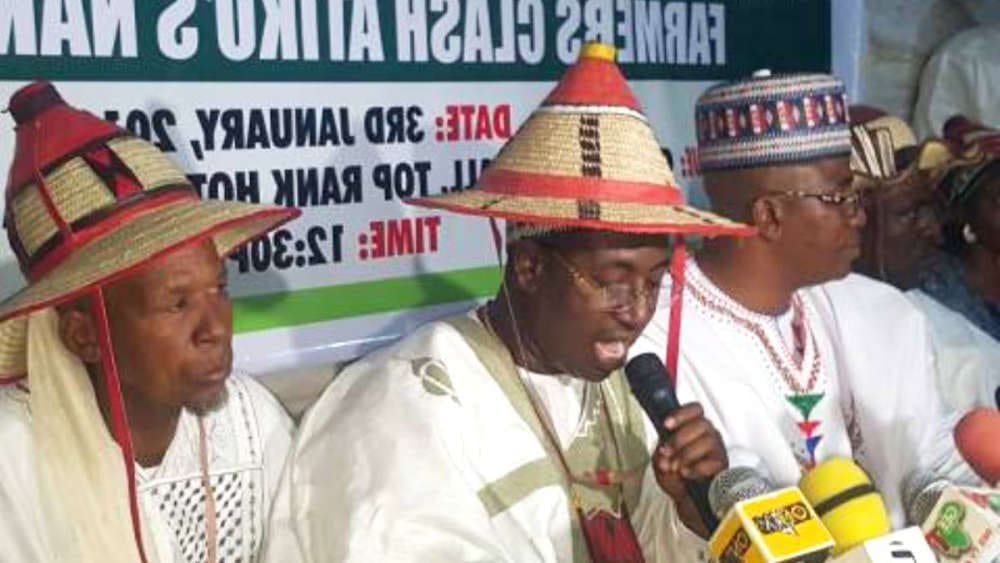
The Nigeria Religious Freedom and Accountability Act of 2026 introduced by U.S Lawmakers identified former governor of Kano State, Rabiu Musa Kwankwaso, as among individuals that could face visa bans, asset freezes and other sanctions over alleged violation of religious freedom.
The lawmakers asked the U.S. Departments of State and Treasury to consider targeted sanctions under the Global Magnitsky Act on entities, including the Miyetti Allah Cattle Breeders Association of Nigeria, who have been accused of severe religious freedom violations.
Security experts weigh in
Speaking during an earlier interview with TruthNigeria, a security analyst and Managing Director of AlterConsult, a Kaduna-based think tank, Dr. Friday Agbo, said that “unless the revelations about financing and internal corruption are fully investigated, terrorism will continue to flourish.”
In the same vein, former President of the Southern Kaduna Peoples Union (SOKAPU), Jonathan Asake, warned that “failing to prosecute suspects creates a climate of impunity.”