Survivors say armed militants swept through the village for nearly two hours while soldiers stationed a mile away did not respond.
By Masara Kim
JOS, Nigeria — Bullet holes, bloodstains and scattered belongings still marked Kawel hours after terrorists killed 22 Christians Monday, June 22, near Plateau State’s southern border with Nasarawa State, according to witnesses and local leaders.
Among the dead were a pastor and a retired army officer, TruthNigeria learned. The attack, about 50 to 60 miles south of Jos, the Plateau State capital, came one week after a brazen raid on Nigeria’s highest leadership and policy training institute in Jos that killed two soldiers and a police officer.
On June 16, the same day as that raid, sporadic attacks were also reported on the outskirts of Jos, including the killing of a traditional district leader, raising fresh concerns about escalating security threats in the majority-Christian state of Plateau.
The assault on June 22 began shortly after midnight, when armed terrorists speaking the language of the Fulani ethnicity attacked a police post and a government clinic in the centre of Kawel before spreading through the village, witnesses and local leaders told TruthNigeria.
Governor Caleb Mutfwang condemned the attack as “heinous” and directed security agencies to intensify operations in the area, identify the perpetrators and bring them to justice. Plateau State Police Commissioner Bassey Ewa, however, described the attackers as “hoodlums” in a statement and urged residents to remain calm, continue their lawful activities and provide credible information to security agencies. Survivors said they heard the attackers speaking Fulani and shouting “Allahu akbar” — Arabic for “God is great.” Experts who spoke with TruthNigeria said the attack bore the hallmarks of insurgent activity and warned of a growing terror threat in the region.
TruthNigeria received reports of the attack shortly before 2 a.m. on June 22, while residents were still taking cover. Although local authorities and the military were notified, the assault lasted about two hours before soldiers arrived from a base roughly one mile away, TruthNigeria learned.

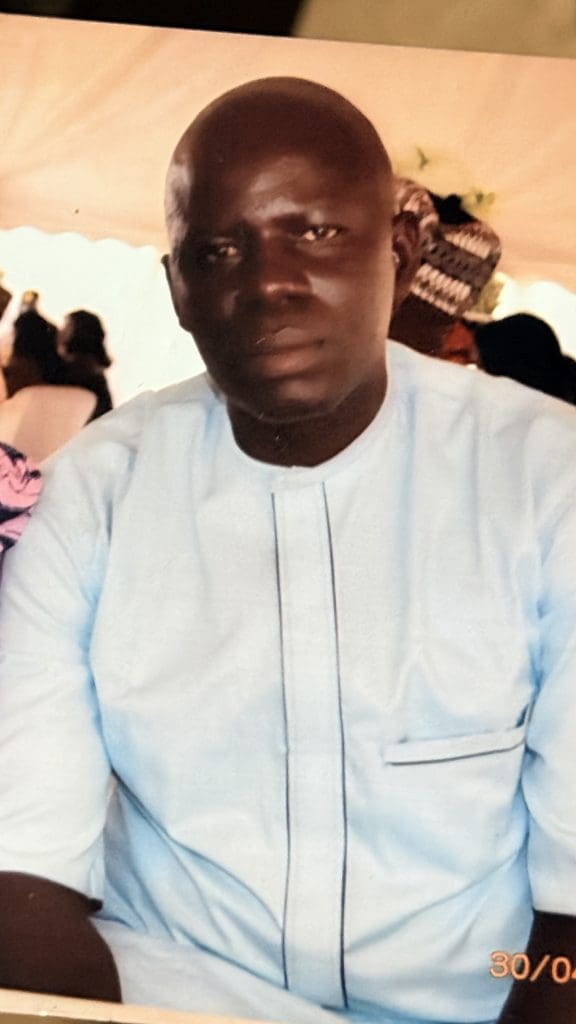
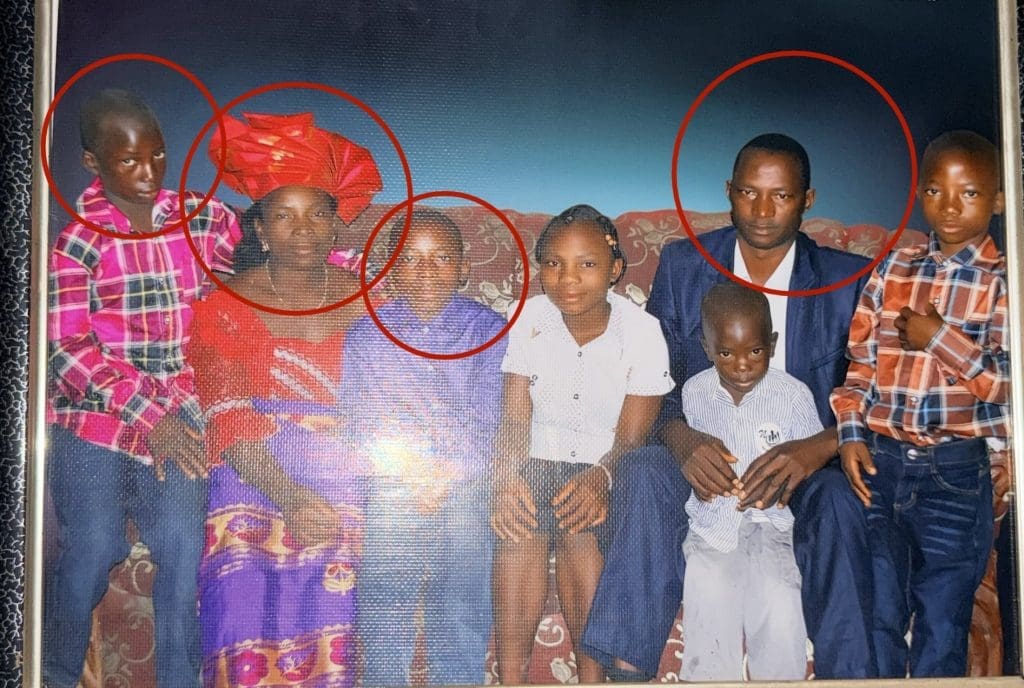
The night was cloudy, with temperatures around 69 degrees Fahrenheit shortly after midnight on Monday, June 22, 2026. Yakubu Samuel Domshak, the youth leader of Kawel, part of the Mushere group of villages in Bokkos County, was getting ready for bed after completing his night watch when gunfire broke the silence, forcing him into a last-minute effort to protect residents.
“I immediately had to wake my people and take them to safety,” Domshak told TruthNigeria. But before he could locate other local guards and organize a response, the village was overwhelmed, he said. The first buildings attacked belonged to a private compound used by two police officers posted to the town, then moved to a government clinic about 200 metres away, Domshak said.
“They started from the police base, and when one of the policemen returned fire while covering his sick colleague, they turned to the government clinic close by, where they killed six people, including patients, caregivers and the clinic attendant,” Domshak said. The attackers then spread through the village, overwhelming his group of 10 civilian guards, Domshak went on to say.
“Everywhere we turned, they were there, and all we could do was try to evacuate residents in parts of the village that had not yet been invaded,” Domshak said. His colleague, Nanle Wums, national secretary of the Mushere Youth Association, faced a similar ordeal in another part of the village.
“I had to go out and alert people while providing cover for them to escape because the gunshots were too much for us to confront,” Wums told TruthNigeria. “We only had hunting rifles and slingshots, and we were very few, while they were in their tens, armed with AK-47 rifles and even machine guns,” he said. About 200 metres from Wums’s position, fellow guard, Seth Lot Damwesh, was killed while trying to fight back with a knife. His wife, Nankyer, said he stabbed one attacker after three men armed with AK-47s broke down their door, allowing her to escape before he was shot in the stomach and head.
“We first heard gunshots, and I asked if kidnappers were trying to take us,” Nankyer told TruthNigeria. “He grabbed his knife and said he was not going to stand by and watch. As he approached the door, three men kicked it open and charged in. He stabbed one of them and wrestled with the others before he was overpowered and shot dead. By then, I had made it to the back of the house.”
Elsewhere in the village, Rev. Markus Azi, a local pastor, was killed while defending his home with a hunting rifle. His widow, Rahila, told TruthNigeria that, like Nankyer, her husband’s resistance allowed her to escape before he was killed in front of their home.
“I tried to stop him from going out, but he swore he was not going to watch them harm me,” Rahila said. By sunrise, her husband was among 21 people buried in a mass grave, along with Damwesh and a retired army officer who was also killed while standing guard outside his home.
Throughout the attack, soldiers from Operation Enduring Peace, stationed about one mile away, failed to respond to distress calls, including calls from TruthNigeria, and arrived only at about 6 a.m., two hours after the attack had ended. TruthNigeria observed that at least 10 victims had been shot in the head with 7.62x39mm rounds, ammunition commonly used in AK-style rifles. Other victims had gunshot wounds to the neck and chest, residents said. The attackers reportedly did not burn or destroy homes.
Joseph Lengmang, a peace and security scholar at the University of Jos and a former director of the Plateau Peace Building Agency, told TruthNigeria that the nature of the attack suggested either collaboration between Fulani ethnic militias and insurgents or a transition by some militia groups toward insurgent-style operations.
“We are dealing with a dangerous situation here,” Lengmang said. “These are not a ragtag army. They are educated, intelligent and sophisticated — more so than many think. They operate like an unconventional army: smooth, deliberate and highly intentional.”
“This speaks volumes about the fact that the Nigerian government has lost its monopoly on legitimate violence, and now non-state actors operate with so much impunity,” he said, warning of severe consequences if urgent steps are not taken to stop the spread of violence.
Masara Kim is an award-winning conflict reporter in Jos, Nigeria and a senior editor at TruthNigeria.