

NIGERIA DAY OPINION
Nigeria’s Emerging Identity Rises on Developing Bonds with United States
By Mike Odeh James and Olikita Ekani
(Abuja) American Christianity is forging powerful bonds with Nigeria, reshaping bilateral relations as Nigerian Americans and American Christians influence politics, military service, humanitarian aid, and ministry, a TruthNigeria survey concludes.
Nigerians at the Heart of U.S. Power
Few stories capture this bond better than that of Brigadier General Amanda I. Azubuike, the daughter of Nigerian and Zimbabwean parents, who has risen to become Deputy Commanding General at the U.S. Army Cadet Command.
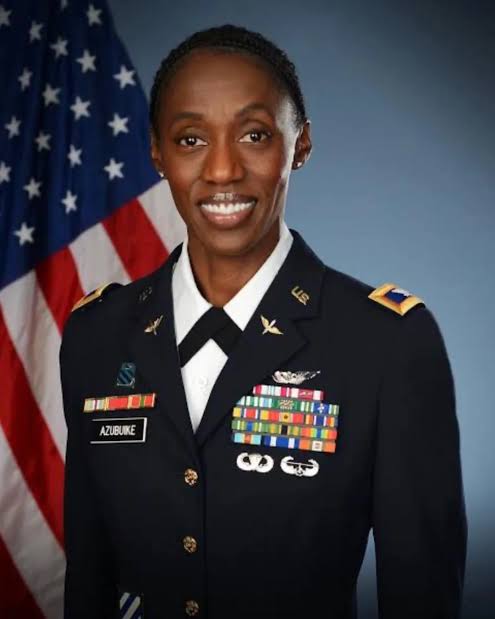
At her promotion, Azubuike credited her success to faith, family, and country:
“I believe my journey is a true testament to my family, my faith in God and also this great country that we live in.”
Her ascent in America’s military is a source of pride across Nigeria, symbolizing the diaspora’s potential to thrive at the highest levels.
In economics, Wally Adeyemo, the Nigerian-born Deputy Secretary of the U.S. Treasury, plays a pivotal role in shaping global financial policy. His position gives Nigeria an indirect but invaluable connection to the world’s most powerful economy.
Political representation has also grown. Esther Agbaje, a Nigerian American serving in the Minnesota State Legislature, exemplifies how the diaspora is embedding itself into the grassroots of American democracy.
Raised in a Christian household by her father, Reverend John Agbaje, an Episcopal priest, she identifies as a member of the Episcopal Church. Agbaje has explained:
“My background as the daughter of immigrants and an Episcopal priest gave me a sense of service and responsibility to my community.”
“These figures become inadvertent diplomats,” said Prof. Lemmy Odeh of University of Illorin, Kwara State, Nigeria to TruthNigeria. “They show Washington that Nigeria is not only a subject of foreign policy but a source of leadership, talent, and partnership.”
An American Voice in Nigeria’s Crisis

But the story is not one-sided. Americans, too, are investing their lives in Nigeria’s well-being.
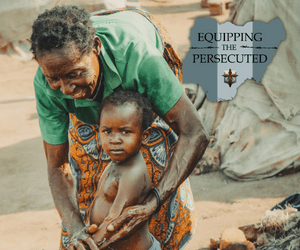
Judd Saul, an Iowan documentary filmmaker and missionary, has dedicated years to aiding persecuted Christian communities in Nigeria’s Middle Belt. Through his non-profit, Equipping the Persecuted, he provides food, medical aid, and security training in villages scarred by Boko Haram and Fulani militant attacks.
“To villagers in Nigeria, he is a lifeline,” says Prof. Lemmy Odeh and Friday Agbo of Alterconsult Thinktank, Kaduna. “To Abuja, Judd may sometimes be an irritant, shining an unwelcome spotlight on government failures. But this is exactly what healthy partnerships look like—honest, difficult, and people-driven.”
US-Trained Preacher Empowers Kaduna
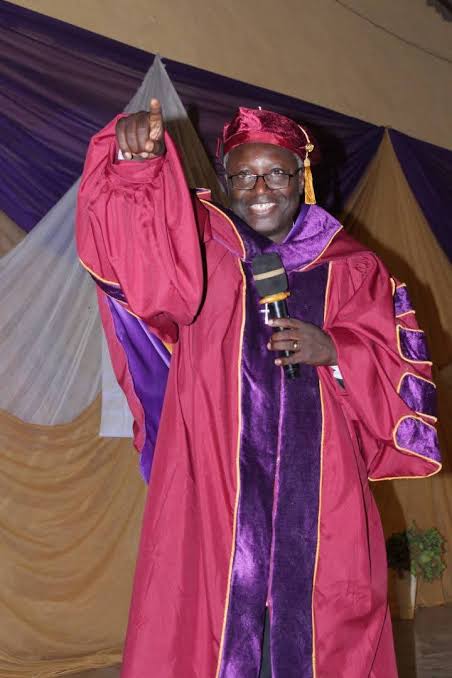
Rev. Dr. Sam Magai Albert, preacher nurtured and trained in the United States, is transforming lives in Kaduna through TheoTech—Kings Theological and Technological College and Seminary.
Theo Tech refers to the Theo Tech Bivocational Skills Training College and Seminary, a new institution that combines theological studies with vocational training in areas such as health and information technology, according the Kings’ College website. The school blends faith and practical skills, training marginalized Nigerians, especially women, in tailoring and discipleship. On May 17, 2025, 30 graduates received brand-new sewing machines for economic independence, supported by U.S.-based Heartland International Ministries.
America as ‘Big Brother’
The role of these individuals reinforces a broader pattern: the United States acts as Nigeria’s elder partner, offering training, education, and platforms for its diaspora. Whether through scholarships, military cooperation, or diaspora success, America’s engagement with Nigeria is as much about human capital as it is about strategy.
“While China builds roads, the U.S. builds people,” says security consultant Friday Agbo. “That is why Nigerians consistently rate the United States more positively than China. The impact is personal. You can point to someone in your community whose life was changed by an American connection—education, healthcare, or opportunity.”
China Strategy Galls Nigerians
By contrast, China’s influence in Nigeria is often described as exploitative. Billions of dollars in loans have gone into infrastructure projects, yet many Nigerians complain of debt dependency, poor labor practices, and a lack of cultural connection.
“China is building monuments, but America is building memories,” says Agbo.
The U.S.–Nigeria relationship is not just about oil or trade. It is about individuals who carry both nations in their hearts. From General Azubuike’s command at Fort Knox, to Adeyemo shaping financial policy in Washington, to Agbaje legislating in Minnesota, and Judd Saul walking the blood-soaked fields of Benue, the story is human, not transactional.
These figures prove that America’s engagement with Nigeria is uniquely people-centered and increasingly faith-driven. It is a relationship defined not only by treaties and trade agreements but by shared Christian values and sacrifices.
Mike Odeh James and Olikita Ekani are conflict reporters for TruthNigeria.