
Christian Farmers Recount Ordeal in Rijana Terror Camps
By Mike Odeh James
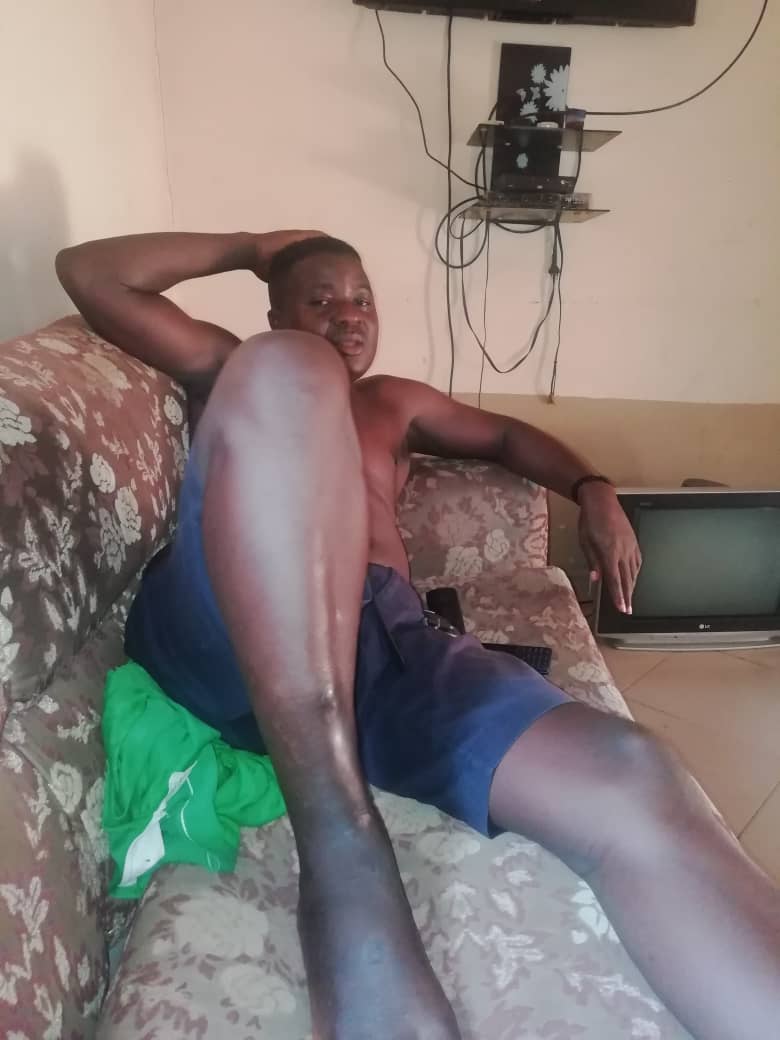
Kaduna–It was a rainy day on June 18, 2025, around 1:30 p.m., when Christopher. Barnabas, a 34-year-old ginger and corn farmer from Angwan Take in Kachia County, Kaduna State, was tilling his farm near the Nigerian Army Base Camp. Suddenly, he heard a greeting in Hausa: “Sannu da aiki” (“well done with your work”).
When he turned, he saw two Fulani men armed with AK-47 rifles watching him. “They may have been there for five minutes or less. The scene was like a Western movie—Arab slave traders sneaking into homes,” he recalled.
One of the gunmen asked, “Is this your farmland?” Barnabas said it belonged to his mother. They tied his hands and forced him to sit. Soon after, they brought in other villagers from Take. “Once I was tied, one stood over me while the other went back to see if he could capture more victims,” he said.
Adding More Victims
Barnabas was later joined by a pregnant woman and an elderly man. “The terrorists, speaking Fulfulde among themselves, herded us into a deep forest to avoid being seen. After a 40-minute trek, we reached a clearing where more than 15 Fulani gunmen on motorcycles awaited to take us deeper into the forest,” he said.
They were transported into the dreaded Rijana Forest, where camps held mostly Christian victims. “The journey took about two hours on motorcycles. Roads were bad, otherwise it could have been shorter,” he said.
Inside the Camps
Barnabas described a nightmare. “The forest is vast, thick with trees and tall grasses hiding crude huts we were forced to build. Each camp was separate, with about fifty captives—men, women, and children—watched day and night by ten armed men.”
“The terrorists lived nearby, some with wives, others with women they kept forcibly. We were treated like slaves. We fetched water, washed clothes, and sometimes carried corpses to the river. Other camps inside the forest were similarly equipped—solar panels, radios, walkie-talkies.”
Barnabas saw one execution in his camp but often witnessed bodies from other camps dumped into the river. “I was beaten every single day with horsewhips to pressure our families to pay ransom. Even to relieve ourselves, we were marched to the river under lashes. Hunger was used to subdue us—they fed us only once a day,” he said.
On July 30, 2025, Barnabas was released after his family paid 5.6 million Naira (approximately $3,733) for his ransom. His friend’s family paid 1.5 million Naira (approximately $1,000). Blindfolded and transported by motorcycle, they were dropped in the forest and guided back to Maro village after a two-hour trek.
Snatched in Broad Daylight
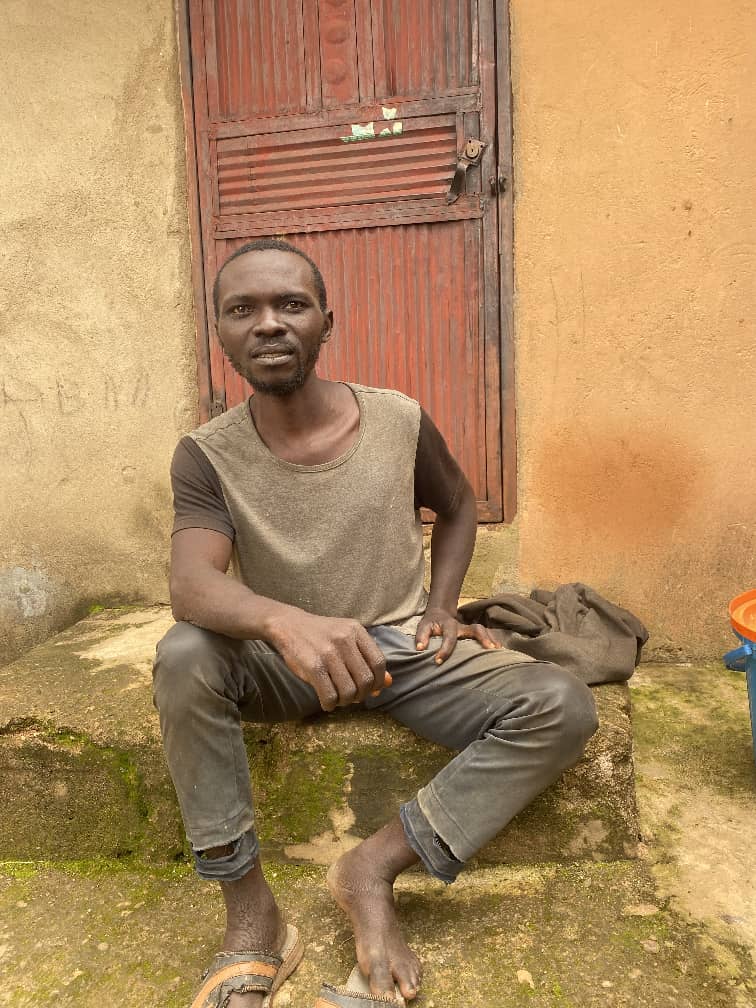
Another farmer, Joshua Maude, 40, from Avong village, told TruthNigeria he was kidnapped on January 24, 2025, along Awon Road. “I went to the farm and later to town for fertilizer when I encountered a roadblock with armed men. Two others ambushed me with rifles,” he said.
Maude and a friend were taken on motorcycles past Gabachuwa, Agwala, and Enugu villages, reaching Rijana Forest after five hours. “In the camp, one name was prominent—Yellow One Million. Lanky, chain-smoking, brutal. I was chained and thrown with dozens of others into a makeshift enclosure.”
Life Inside the Captivity
The captives, mostly men and some women, were beaten daily. “They used horsewhips. We were fed once daily—a thin cornflour porridge without seasoning. Starvation made us too weak to resist,” Maude said. They sometimes chewed leaves or grasses; a guava was a blessing. Even basic hygiene was degrading, as the same river served all needs.
Four captives died in Maude’s camp. Jonathan Ande and Mordecai Moses succumbed to deliberate starvation. “Mordecai had asthma and pleaded for food. They said if ransom wasn’t paid, he would die. The next morning, he was gone,” Maude recounted.
Execution was another weapon. One young man, David, was shot in the head in front of everyone. “The commander had it recorded and sent to David’s mother,” Maude said. Weeks later, another boy, 23, was killed for unpaid ransom.
Freedom for Maude came when his family raised 2.5 million Naira (approximately $1,667) to pay his ransom to the Fulani Ethnic Militia members. By March 1, 2025, he was released.
Prayer Played a Major Role in Keeping Me Alive
Maude said it was his faith in Christ and the constant prayers offered to God that kept him alive.
“At the end of it all, God answered my prayers and brought me home safely,” he concluded.
Mike Odeh James is a conflict reporter. He writes for TruthNigeria