
Over 3.5 million Nigerians displaced as attacks by jihadist militias and armed groups escalate across Christian-majority regions
By M. Kiará
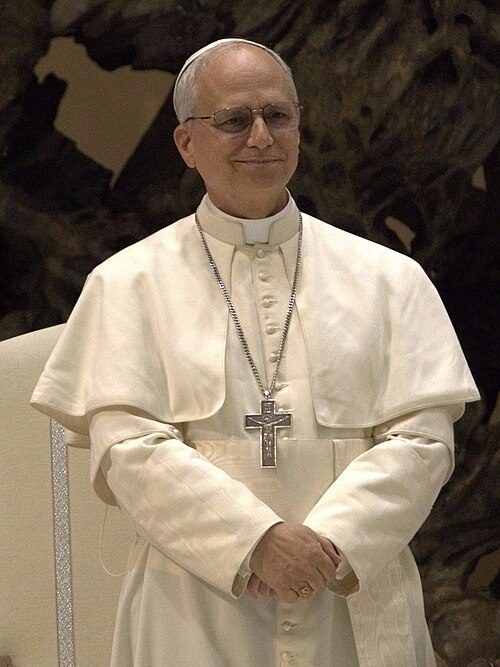
Lagos—Pope Leo has issued his strongest condemnation yet of mass killings targeting Christians in Nigeria. Pope Leo XIV warned the violence is “systematic” and increasingly deadly. According to UN Refugee Agency UNHCR, more than 3.5 million Nigerians have been displaced by repeated attacks from jihadist militias and armed groups, particularly in the middle belt and Northern states with large Christian populations.
In a post on his verified X account, the pontiff named Nigeria alongside Bangladesh, Mozambique, and Sudan as countries where attacks on churches and Christian settlements are creating widespread fear, displacement and mass casualties. He called on global leaders, religious institutions and civil society to act immediately to halt the violence and protect vulnerable communities.
Vatican Issues Stern Warning
“In various parts of the world, Christians suffer discrimination and persecution,” Pope Leo wrote. He expressed sorrow over the ongoing massacres of civilians in Kivu, Democratic Republic of the Congo, noting that such tragedies reflect a “broader trend of violence against religious minorities across Africa.”
“Let us pray that all violence may cease and that believers may work together for the common good,” he added, urging governments and religious leaders to coordinate protection and reconciliation efforts.
Why Nigeria Was Highlighted
Humanitarian organizations and conflict analysts say Nigeria now records some of the world’s highest levels of Christian-targeted violence. A 2025 report by Aid to the Church in Need (ACN) listed Nigeria among 24 countries where religious freedom faces “serious violations,” noting that persecution is fueled by extremist ideology and weak state protection.
Data from the Armed Conflict Location & Event Data Project (ACLED) shows tens of thousands of civilian deaths over the past decade in attacks linked to jihadist factions, armed herder militias, and criminal gangs, many concentrated in predominantly Christian regions of the Middle Belt, including Benue, Plateau and Southern Kaduna.
TruthNigeria investigations show repeated targeting pattern:
- Attacks timed around Sundays and religious festivals
- Night raids on villages with majority-Christian populations
- Destruction of churches and clergy residences
- Kidnappings of priests and seminarians
Nigerian clergy say the intent is unmistakable.
Nigerian Clergy: “This Is Genocide in Slow Motion”
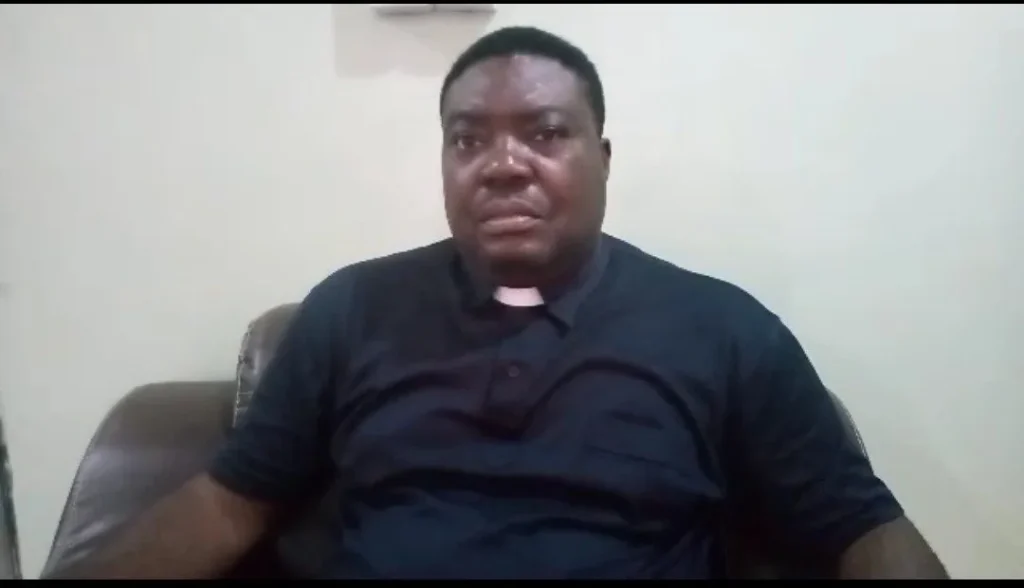
Few in Nigeria have tracked the killings as closely as Rev. Fr. Remigius Ihyula, head of the Catholic Diocese of Makurdi, Benue State.
“For years we have buried our parishioners in mass graves,” Fr. Ihyula told TruthNigeria. “What is happening in Benue, Plateau, and Kaduna is not random. It is coordinated. It is targeted.”
Evangelist Shaala Ukaa, a prominent Benue community leader, in a statement to newsmen described the violence as a deliberate campaign of erasure.
“Fields once rich with crops now lie abandoned. This is genocide in slow motion. Silence from authorities is complicity.”
Barrister Solomon Dalyop, a recognized activist in Plateau state who spoke to TruthNigeria said, “If government continues to close its eyes to these realities confronting us, we cannot guarantee peace.” He added “Our enemies have piled up more than enough arms and advanced war gadgets to execute this war on us.”
U.S. International Pressure Mounts
Pope Leo’s statement follows warnings from U.S. President Donald Trump, who described Christian communities in Nigeria as facing an “existential threat” and urged lawmakers to investigate what he called “mass slaughter” by extremist networks.
Trump highlighted the Middle Belt as a hotspot for violence and indicated that the United States may consider diplomatic measures to prevent further massacres.
Tinubu Government Launches Peace Outreach
In response to growing international scrutiny, President Bola Tinubu dispatched a federal peace team to Plateau State, led by Abiodun Essiet, Senior Special Assistant on Community Engagement for the North Central Zone.
According to Business Day, the delegation engaged with:
- Christian leaders across Plateau
- Fulani representatives from the Miyetti Allah network
- Traditional rulers, women, youth groups
- Local government representatives from conflict-affected counties
Analysts note that while dialogue is essential, longstanding cycles of retaliation, inadequate security protection, and slow judicial response continue to hinder lasting peace.
Why the Pope Spoke Now
Human rights organizations have repeatedly criticized the narrative that the violence is mere “farmer-herder clashes.” Evidence from ACLED, UNHCR, and TruthNigeria shows a clear pattern of religious targeting, including timing, ideological messaging, and repeated attacks on churches.
The World Watch List, released on January 15, found that 3,100 Christians were killed and 2,830 Christians were kidnapped in Nigeria in 2024, far more than other countries in the same year.
Pope Leo’s intervention comes five months after more than 200 people were killed in Yelewata, Guma Local Government Area, Benue State, in June 2025, a massacre documented by TruthNigeria. Clergy argue that international attention is now critical.
“Silence has become dangerous,” Fr. Ihyula said. “If no global attention is paid, these attacks will escalate beyond control.”
What Comes Next
Nigeria now has one of the highest global tallies of religiously targeted civilian deaths, surpassing other countries cited by the Pope, including Mozambique and Sudan, where persecution is rising but less lethal in scale. The crisis threatens regional stability and tests the international community’s commitment to protecting religious minorities.
Whether Pope Leo’s warning will prompt decisive international action remains uncertain. Past calls from the United Nations, European Parliament, and U.S. officials have often faded once global attention shifted.