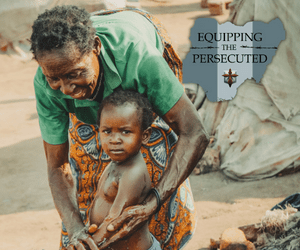
From 2015 to 2025, Nigeria’s security and humanitarian policies reveal a stark contradiction: perpetrators of terror are rehabilitated, while victims—chiefly displaced Christians—are left to fend for themselves. The Analytical Report and ORFA Fact Sheet (2019–2023) together expose both the scale of religiously targeted violence and the asymmetric policies that separate Nigeria from the leading democracies of the West.
Scale and Nature of the Violence
According to ORFA (the Observatory for Religious Freedom in Africa) data (2019–2023), Nigeria recorded 55,910 deaths, 21,621 abductions, and 11,610 terror attacks, with Christians disproportionately targeted:
- 16,769 Christians killed versus 6,235 Muslims — a ratio of 2.7:1 (adjusted to 6.5:1 by population).
- 11,185 Christians abducted versus 7,899 Muslims — ratio 1.4:1 (5.1:1 adjusted).
- The Fulani Ethnic Militias (FEM) and allied bandit networks accounted for 55 percent of Christian deaths, surpassing Boko Haram and ISWAP combined.
- Attacks peaked during farming seasons (April–May), devastating rural Christian economies.
· The violence extended across 15 states—notably Plateau, Benue, Kaduna, Zamfara, Nasarawa, and Borno—causing the displacement of over eight million Christians by mid-2025.
· Under President Bola Tinubu, violence against Civilians has Ticked UP: Terrorism-related killings went from 9,734 in 2023 to 11,692 in 2024. Abductions for ransom went from 4,049 to 9,679 – an increase of 139 percent.
Policy Response: Rehabilitation of Perpetrators vs. Neglect of Victims
While the government funded extensive amnesty and deradicalisation programs—such as Operation Safe Corridor—providing housing, stipends (₦20,000–₦45,000), and vocational training for “repentant” militants, Christian IDPs received no comparable state support.
Victims languish in overcrowded, disease-ridden camps without food security, schooling, or medical care. By contrast, ex-insurgents benefit from modern housing estates and institutional reintegration.
This imbalance, noted in TruthNigeria and Premium Times (2024), erodes public trust, undermines reconciliation, and incentivizes violence by rewarding combatants over victims. In addition, this policy has crippled the Nigerian agricultural economy, which shrank 8 times in a row under the presidency of President Muhammadu Buhari (2015-2023), whose administration practiced these cruel policies with impunity.
Ethical and Policy Implications
1. Moral Contradiction: Nigeria’s counter-terror approach prioritizes perpetrators, sidelining justice and compassion.
2. Governance Gap: Lack of a victim-centered framework perpetuates grievance and communal division.
3. International Concern: ORFA’s findings reinforce global calls for recognition of anti-Christian persecution and for an international inquiry into religiously motivated mass atrocities.
How to Get Nigeria Back on Track
Between 2015 and 2025, Nigeria’s approach to insecurity reveals a deep ethical and strategic flaw: rehabilitating aggressors while ignoring victims.
To rebuild trust and stability, the government must adopt a balanced policy—integrating victim compensation, psychosocial rehabilitation, and equitable access to recovery programmes alongside deradicalisation efforts.
Without such a shift, Nigeria’s amnesty model will remain a symbol of selective compassion and failed justice.