Gangs Impose $33 ‘Terror Tax’ Per Acre in Kano, Katsina States
By Mike Odeh James
(Abuja) Fulani terrorist gangs have established parallel authorities in Nigeria’s northwest, illegally taxing farmers across Kano and Katsina states while operating from remote forest strongholds.
Forest-Based Terrorists Governments
The terror gangs operate primarily from Rugu Forest in Katsina State and Falgore Forest in Kano State, where they have created shadow governance systems that rival official state authority.
According to Sahara Reporters, these groups impose a levy of ₦50,000 (approximately $33) per acre on farmers. The outlet frequently describes these non-state actors as bandits, though they function as organized terrorist networks.
Sugarcane farmers are the primary targets, with maize production also severely affected. Farmers refusing to pay face systematic intimidation, crop destruction, and violent attacks, forcing many to abandon their land entirely.
Zamfara: $10 Million in Criminal “Taxes”
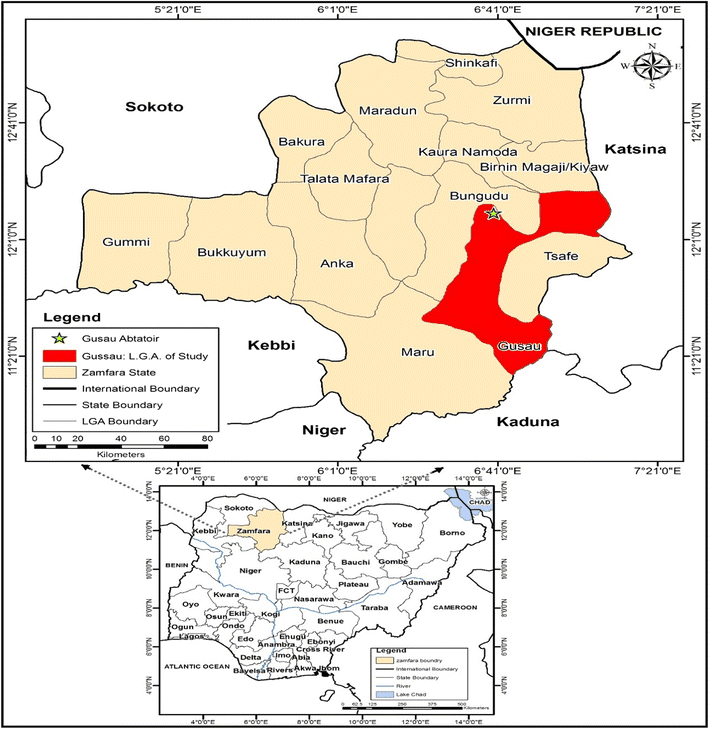
The criminal taxation system extends beyond Kano and Katsina. In Zamfara State, criminal gangs extorted approximately $10 million from farmers in 2023, according to a TruthNigeria investigation published March 30, 2024.
As TruthNigeria has documented, Benue State in Central Nigeria also has long been subject to rural gang extortion by Fulani ethnic militia.
Scale of Extortion in Zamfara
12,000 households across 14 counties were forced to pay for access to 23,673 hectares of farmland through cash and crop shares. Two farmers in Tsafe county alone paid $705,000 to gang leader Hassan Makera.
How Taxes Are Imposed:
Before planting season, villages negotiate payments through intermediaries—often bandit relatives or informants. Terrorists demand millions of naira per village, though amounts are sometimes reduced through negotiation.
At harvest time, terrorists return to conduct physical crop counts and seize most yields. One farmer reported losing seven out of every ten bags harvested.
Payment Examples from Tsafe County:
TruthNigeria obtained specific data showing extortion in Tsafe County: Sungawa village paid N1.5 million ($1,000) per household; multiple villages paid N1.2 million per household to Hassan Makera; village-wide collective payments ranged from N1.6-3 million ($1,060-2,000) per community.
Consequences of Non-Payment:
Villages that fail to pay face severe retaliation including looting, burning, killings, and kidnappings. In November 2024, terrorist leader “Damina” killed three people after communities couldn’t pay a $200,000 tax.
Additional punishments include complete blockades preventing farm access, bans on market activity, and destruction of planted crops.
Federal Inaction:
Federal authorities have largely ignored this widespread extortion crisis, choosing instead to focus enforcement resources on less-profitable kidnapping gangs, allowing criminal taxation systems to flourish.
Forming a Parallel State
Security analyst Friday Agbo, CEO of Alterconsult Thinktank, told TruthNigeria the reality is far worse than many Nigerians realize. Armed groups have gone beyond sporadic attacks and now exercise full control over entire communities.
“In many cases, the terrorists have imposed their own laws and constitutions on areas they control,” he said, explaining that residents no longer live under Nigerian law but under rules dictated by armed groups that collect taxes, regulate daily life, and enforce compliance through violence.
“They don’t just collect taxes; they monitor what people living within their enclaves do. If they order you not to go to the farm or market and you disobey, you may be killed or have your farmlands destroyed,” he stated.
Once terrorists establish this dominance, the Nigerian state effectively loses authority. “Where terrorists are in control, the federal government of Nigeria and its agencies may not be able to operate freely. This means that, in practical terms, they have formed parallel governments,” Agbo said.
This pattern is evident in Zamfara, Katsina, parts of Sokoto, and Niger states, where armed Fulani terrorist groups have entrenched themselves in vast rural and forested regions.
“What the Fulani terrorists are doing in these states is the clearest example of terrorists having their way in Nigeria’s ungovernable spaces,” he concluded.
Economic Devastation and Governance Collapse
Armed Fulani militias and bandit networks have inflicted catastrophic damage on Nigeria’s economy and governance, according to SBM Intel’s analysis in The Expanding Pastoral Conflict: A Threat to National Stability (March 2025).
The systematic attacks directly target agriculture, which constituted 28.65 percent of Nigeria’s GDP in late 2024. According to SBM Intelligence, deliberate destruction of farms and grain stores has triggered soaring food prices and nationwide food insecurity.
SBM Intel documents that over 2.2 million people have been displaced since 2019, representing massive productivity losses and creating an ongoing humanitarian crisis that diverts resources and destabilizes local economies across the Middle Belt.
The conflict exposes fundamental governance failures.
The report identifies vast “no-go” areas where armed groups control roads and villages, representing a fundamental failure of the state’s monopoly on security. The conflict exposes critical systemic weaknesses: small arms proliferation, porous borders, and the government’s inability to implement climate adaptation strategies.
SBM Intel concludes that these activities systematically weaken Nigeria’s economic resilience while simultaneously testing and exposing the limits of its governance structures—a reality that threatens the country’s stability and future development.
Mike Odeh James is a conflict reporter with TruthNigeria.