By Onibiyo Segun
KOGI STATE–Armed Bororo-linked Fulani Ethnic Militia terrorists attacked Odae Bunu in Kabba/Bunu county, Kogi State on April 13, 2026, abducting five residents and killing one, escalating North-Central insecurity, according to Egbe Mekun Media and confirmed by TruthNigeria interviews with residents.
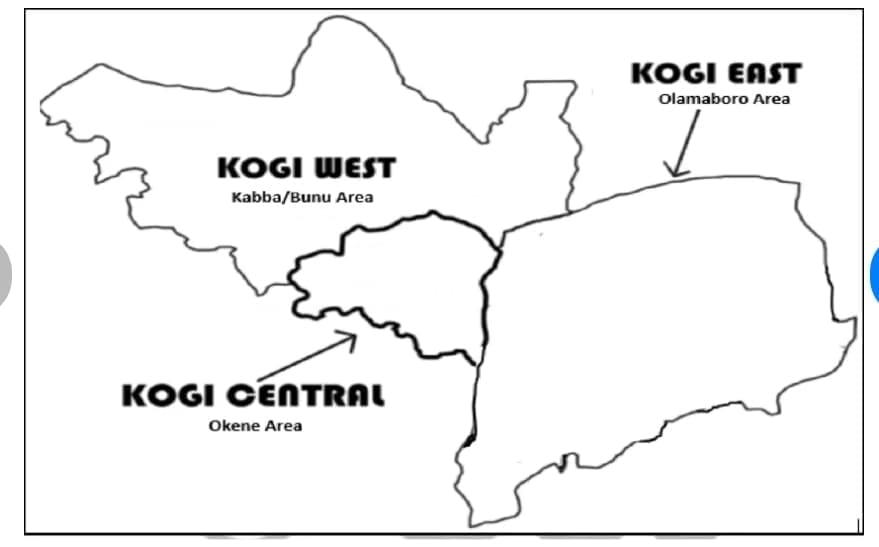
Residents of Odae Bunu, a Christian rural community about 30 kilometers from Kabba, Kogi State, were thrown into panic on the morning of April 13 when Bororo-linked Fulani Ethnic Militia terrorists stormed homes, firing indiscriminately and abducting five people while leaving one dead.
The community, nestled near the hills and forested edges of Kabba/Bunu county, lies roughly 210 kilometers southwest of Lokoja, the Kogi state capital, making it particularly vulnerable to attacks along rural transit routes.
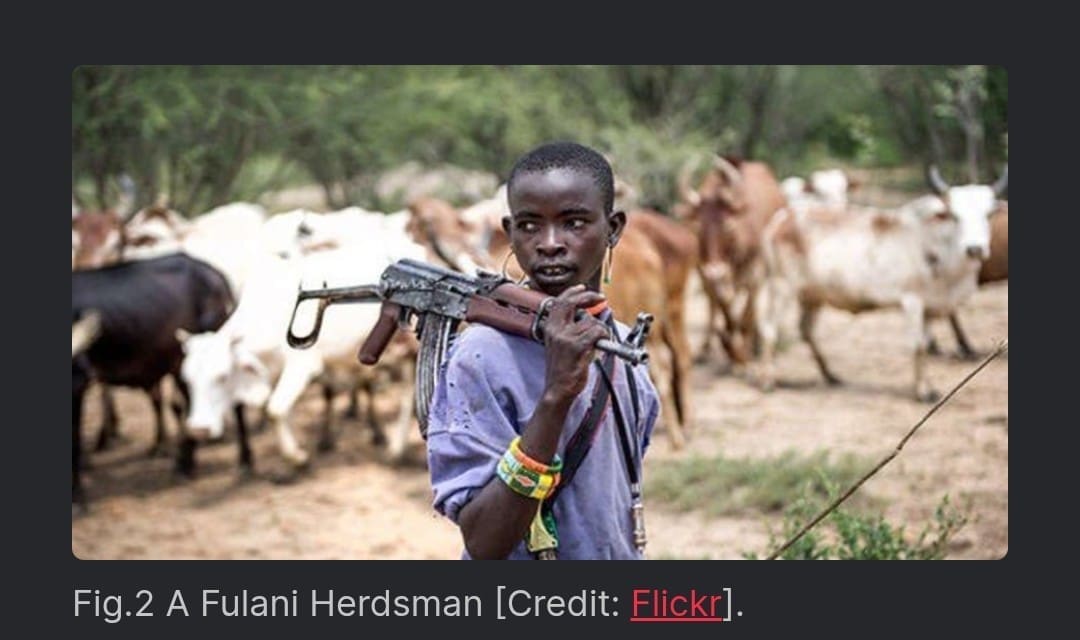
The Bororo are semi-nomadic Fulani pastoralists who have historically migrated across West and Central Africa.
In parts of North-Central Nigeria, certain factions have evolved into heavily armed criminal groups, engaging in kidnappings, cattle rustling, and targeted killings.
Eyewitnesses spoke to a TruthNigeria reporter about the terrifying ordeal.
“They came around dawn, shouting, shooting into the air, and dragging people into their trucks,” Detola Folarin said.
Folarin added, “We tried to hide in the bush, but they took some of our neighbors anyway. We are scared to return home.”
This latest attack mirrors a string of violent incidents across North-Central Nigeria, particularly in Kogi, Niger, and Kwara states.
In early 2026, communities like Ihale-Bunu, Olle-Bunu, Agbana, Okutu, Owu, Egbe, Idu, Okene-Bunu, and Koton-Bunu suffered similar abductions, with residents forced to pay ransoms or provide vehicles for captives.
Analysts: Attacks Increasing in Sophistication
Analysts told TruthNigeria that these attacks are increasingly sophisticated, involving coordinated logistics, intelligence-gathering, and heavily armed squads.
Defense analyst Colonel Emeka Akinwale (ret.) based in Abuja told TruthNigeria, “These Bororo militia terrorists are no longer just opportunistic criminals; they operate with military precision, exploiting weak rural security infrastructure.”
Col. Akinwale added, “Communities like Odae Bunu are easy targets due to poor early warning systems and slow response times from security agencies.”
Asked why Odae Bunu was targeted, Colonel Akinwale explained, “Attacks like this aim to create fear, assert control over territories, and generate ransom revenue.”
“Isolated rural communities with limited security presence are prime targets for the Bororo militia, who use abductions and killings to fund their operations and maintain dominance in the region,” Akinwale noted.
He added a critical view on Nigerian military operations: “The government has access to drone surveillance, which could provide real-time intelligence on Bororo movements, yet these tools are underutilized.”
Akinwale explained, “Look at what happened in Borno recently — an IED killed a commanding officer and six soldiers because operations relied solely on ground movement.”
This points to serious gaps in intelligence-led operations and the need for better technology integration into counter‑terror tactics.
Investigations and eyewitness reports indicate the attackers were members of the Bororo-linked Fulani Ethnic Militia faction, notorious in North-Central Nigeria for kidnappings, cattle rustling, and targeted killings.
The group, active across Kogi, Niger, and Kwara states, has maintained operational freedom by moving along forested corridors and evading local and military patrols.
While Kogi State authorities have implemented a strict “no negotiation” policy with terrorists and launched operations targeting their logistics networks, attacks continue unabated.
Recent coordinated police and military operations in Kwara and Kogi states have yielded arrests of suspects connected to earlier church attacks, including a November 2025 incident in Eruku, Kwara, which saw 38 worshippers abducted and three killed.
Security officials recovered multiple AK-47 rifles and an anti-aircraft launcher, suggesting these networks are heavily armed and capable of significant violence.
A local hunter who spoke to TruthNigeria under the condition of anonymity described a growing fear among residents.
“We hear the sound of motorcycles and gunshots almost weekly now. People are leaving their farms and homes, and no one is safe,” he said.
Security analysts note that such attacks reflect a broader regional trend.
Between late 2025 and early 2026, Bororo-linked Fulani militia terrorists in Bunuland, including Kabba/Bunu county, have killed at least 30 residents and deserted over 21 villages, including Ihale-Bunu, Olle-Bunu, Agbana, Okutu, Owu, Egbe, Idu, Okene-Bunu, Koton-Bunu, Gbaje, Gboloko, Igbira, Obajana, Lafiagi, Patigi, Okeode, Gbugbu, Ora-Ago, Baballa, Charagi, and Awi.
These patterns echo similar threats in the Northeast, where groups like ISWAP and Boko Haram continue insurgent campaigns, though the North-Central factions primarily focus on ransom-driven operations that terrorize civilians and drain local economies.
Residents Flee
For many Odae Bunu residents, survival now hinges on hiding in forested areas, fleeing to nearby towns like Kabba, and relying on local hunters for protection.
The community’s churches, markets, schools, and roads have largely emptied since the attack.
A security consultant based in Ondo state, Franklin Ajagun, urged the Nigerian government to expand rural drone surveillance and strengthen rapid response units in vulnerable communities.
“Without real-time intelligence and mobility, security agencies will continue to fight these Bororo militia terrorists blindly, risking lives of both soldiers and civilians,” Ajagun said.
As of April 14, 2026, security agencies have yet to release an official statement about the Odae Bunu attack.
Meanwhile, residents remain on high alert, fearful of further raids.
This incident is a reminder that North-Central Nigeria is increasingly at risk of sustained Bororo-linked Fulani militia terrorism, echoing the Northeast’s long-standing struggle with insurgency.
Ajagun told TruthNigeria, “The continued pattern of abductions, killings, and community displacements underscores the urgent need for comprehensive security reforms that combine intelligence, community policing, and targeted military operations.”
For ongoing updates, follow the TruthNigeria Tracker.
Onibiyo Segun reports on terrorism and conflict for TruthNigeria.