Residents say security forces respond swiftly when Fulani leaders are killed but fail to act during attacks on Christian farming communities, as new killings spark highway protests.
By Ekani Olikita and Mike Odeh James
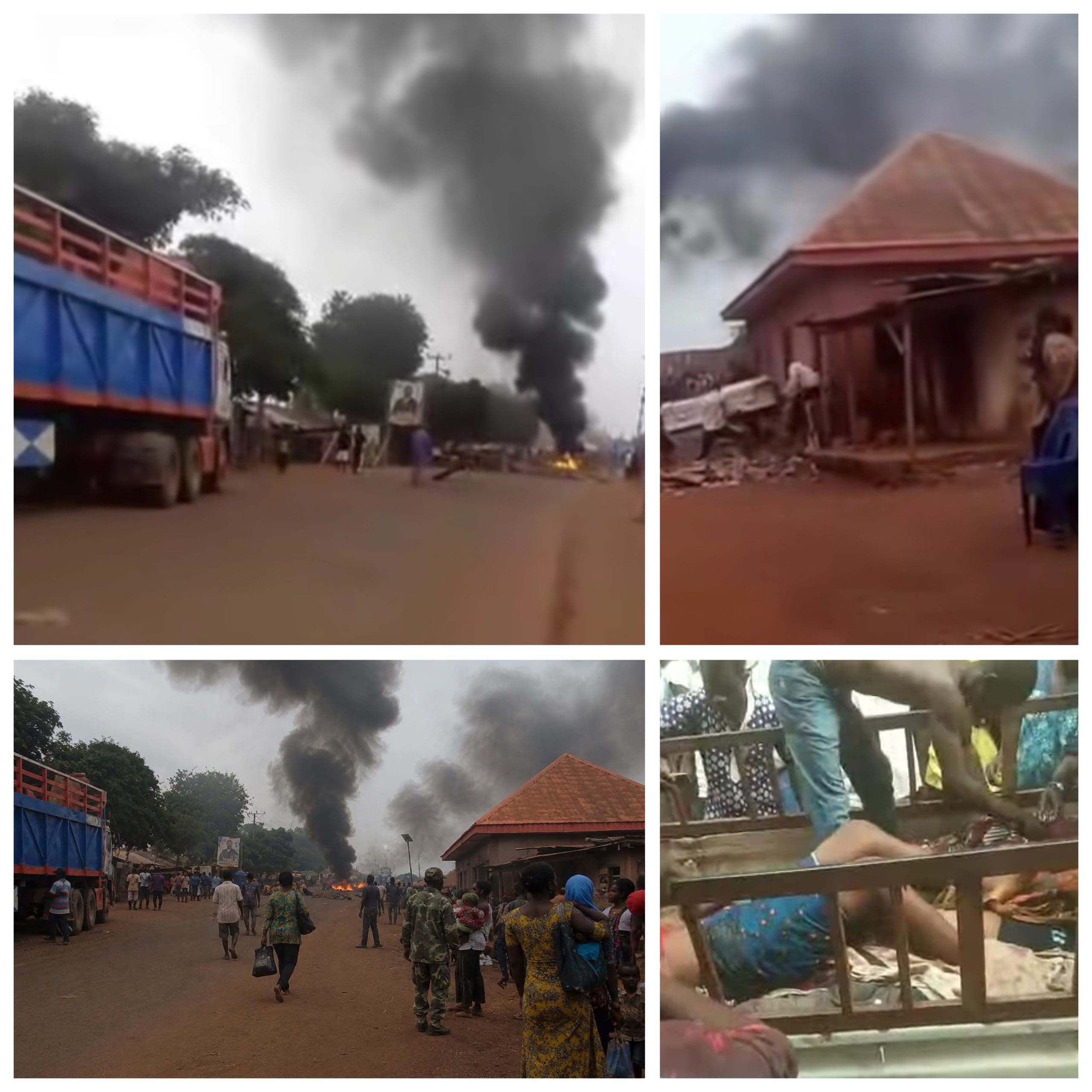
MAKURDI, Nigeria — Outrage is growing in central Nigeria after 18 Christians were killed in weekend attacks and security agencies announced no arrests more than 24 hours later. Residents say Fulani militia carried out the assaults in Otukpo County, then returned days later to kill two more people — prompting Christian youths to block a federal highway in protest. Locals accuse authorities of enforcing “two different systems of justice,” responding rapidly when Fulani leaders are killed but failing to act when Christian farming villages come under attack.
According to residents, heavily armed attackers identified by locals as Fulani Ethnic Militia (FEM) struck Akpachi village in Ugboju District on July 10 and Otukpo‑Nobi on July 12, 2026, killing two Christian farmers and 16 other residents, according to Vanguard.
The attacks have intensified accusations that authorities respond more quickly when Fulani victims are killed than when predominantly peaceful Christian farming communities come under attack.
Residents pointed to the June 26 killing of Miyetti Allah Cattle Breeders Association of Nigeria (MACBAN) chairman Ardo Mohammed Risku and his associate, Yakubu Isah — after which police swiftly arrested 10 Christian youths and seven traditional rulers.
“We appear to be living under two different systems of justice. When Fulani leaders were killed, arrests came within hours. But after entire Christian communities are attacked, we are left asking where the perpetrators are,” Inalegwu Adah, a resident of Otukpo town, told TruthNigeria.
Otukpo, an agrarian and predominantly Christian county about 103 kilometers (64 miles) southwest of Makurdi, has experienced repeated deadly attacks over the past 13 years that residents attribute to armed Muslim Fulani militia.
The Observatory for Religious Freedom in Africa estimates that armed Fulani militias were linked to nearly 24,000 civilian deaths over a four‑year period, making the violence among Nigeria’s deadliest security crises.
A 2026 report by the U.S. Commission on International Religious Freedom also identified armed Fulani militia violence as a major driver of religious‑freedom violations, civilian deaths, and displacement in Nigeria.
Two Christians Killed in New Attack, Sparking Highway Protest
Hours after residents were still mourning the earlier killings, another attack struck Ondo community, about one mile from Akpachi village, during the early hours of Tuesday, July 14.
Residents said two more Christians were killed, prompting hundreds of Christian youths to block the Otukpo-Agatu Federal Highway with burning tires while demanding greater security.
The protesters accused security forces stationed nearby of failing to intervene despite receiving advance warning.
“Fulani Militia attacked Ondo at about 5:15 am this morning, killing one of our people and injuring one who later died in the hospital. We knew an attack was likely and alerted the soldiers at the Ogobia military outpost before it happened. We called again while the attack was underway, but no one came. People feel abandoned”, Joshua Oche, a protesting resident of Ondo.
The latest killings raise the number of Christians reportedly killed in Benue State since July 1 to 39, according to TruthNigeria Data Collation.
Security Expert Warns of Growing Instability
Security Analyst and Benue State Director of Information, Ayati Christopher Ahangba said the recurring attacks and the absence of visible arrests risk undermining public confidence in law enforcement.
“Whether because of limited intelligence, inadequate deployment, or failures in coordination, communities judge security institutions by results,”
“When repeated attacks occur without accountability, people begin to lose trust in the state’s ability to protect them, increasing the risk of further instability”, Ahangba told TruthNigeria
He urged authorities to conduct transparent investigations, prosecute anyone responsible regardless of ethnicity and improve intelligence gathering in vulnerable rural communities.
Why It Matters to the United States
The violence has implications beyond Nigeria.
The United States has repeatedly expressed concern over religious freedom and communal violence in Nigeria. USCIRF has urged Washington to closely monitor attacks targeting religious communities and has warned that persistent insecurity threatens regional stability and humanitarian conditions.
Continued violence in Nigeria’s Middle Belt also contributes to large-scale displacement, disrupts food production in one of the country’s key agricultural regions and creates conditions that extremist organizations can exploit. Analysts say these developments affect broader U.S. interests in West Africa, including regional security, humanitarian assistance, protection of religious freedom and efforts to prevent violent extremism.
Ekani Olikita and Mike Odeh James are conflict reporters for TruthNigeria.