Government Claims ‘Rescues,’ after Families Sell Farms to Pay Ransoms
By Onibiyo Segun
(Oyo State)- After 56 days in captivity, 39 pupils and seven teachers from Oyo State returned home. The government called it a military rescue, but a survivor and a community leader told TruthNigeria that the captives were released before soldiers arrived, raising questions about whether negotiations happened behind closed doors.
For families in Esiele and Yawota communities, the issue is not politics. It is 56 days of fear, the death of teacher Michael Oyedokun and the unanswered cost of bringing loved ones home.
The abducted pupils and teachers came from a religiously diverse Oriire community. The victim list included Christian and Muslim names, reflecting the area’s mixed population.
On May 15, Ansaru terrorists attacked three schools in Oriire County and abducted pupils and teachers. The Department of State Services (DSS) identified the attackers as members of Ansaru, a jihadist group linked to al-Qaeda networks, according to security reports.
TruthNigeria reported the attack, the terrorists’ demands and the prolonged captivity of pupils and teachers. The abductors demanded ₦1 billion (about $667,000), the release of detained fighters and other concessions.
Rescue Or Negotiation?
President Bola Tinubu said the Oriire victims were freed through a military operation and that his administration refused ransom demands or any deal involving detained criminals.
“We refuse to negotiate for ransom,” Tinubu said. “The kidnappers were responsible for killings and other crimes.”
Zacchaeus Olatunde, one of the rescued teachers, gave a different account.
“Our abductors released us before soldiers arrived to escort us home,” Olatunde told national media.
Olatunde told TruthNigeria the abductors demanded ransom and threatened to kill captives.
A community leader in Oriire who asked not to be named told TruthNigeria that some security agents informed residents that ransom was paid before the victims were released.
“We were told by some security agents that ransom was paid. No one knows how much exactly, but money exchanged hands,” the community leader said.
Dr. Kabiru Adamu of Beacon Security and Intelligence Limited, Abuja, said the sequence raised questions.
“The first question is who negotiated. Victims were released by their commander before troops arrived. That raises one question: who paid? Because kidnappers don’t release people for free,” Adamu said.
Secrecy around negotiations protects criminal networks, Major Fajola Ojomo, a retired military officer said.
“The secrecy protects the victims in the short term. But it protects the kidnapping network in the long term. As long as we don’t identify the middlemen and follow the money, the business will continue,” Ojomo said.
Who Pays The Price?
The Oriire case reflects a wider pattern across Nigeria, where families sell property, borrow money and exhaust savings to secure releases.
SBM Intelligence reported that Nigerians paid at least ₦2.57 billion (about $1.71 million) to kidnappers between July 2024 and June 2025. The report recorded 997 kidnapping incidents involving 4,722 victims and at least 762 deaths.
In Zamfara, villagers sold farms and livestock to raise ₦25 million (about $16,700) demanded for kidnapped relatives. TruthNigeria investigations also found families in Katsina and Niger selling farmland and borrowing money after kidnappings.
Major Fajola Ojomo said ordinary Nigerians carry the immediate burden.
“Who pays when victims disappear? The answer is in the data. That ₦2.57 billion (about $1.71 million) did not come from the government alone. It also came from mothers selling farms, fathers selling cattle and communities going into debt. Ordinary Nigerians are paying the ransom,” Ojomo says.
Following The Money
Security analysts say kidnapping payments help armed groups buy weapons and logistics.
Dr. Kabiru Adamu said ransom payments allow armed groups to maintain operations from remote locations.
“Ransoms are used to purchase arms and ammunition,” Adamu explained.
“There are dens scattered all over Nigeria. From the famous Rijana forest den to the Kainji Lake, Oyo National Park and others, these Fulani militia terrorists, Ansaru terrorists, ISWAP and Boko Haram have found dark spots where they operate,” Adamu said.
He went on to say, “The government should follow and shut down these routes and dens”.
Whereas DSS identified Ansaru as the perpetrator in the Oriire case, analysts say Fulani militia terrorist groups have been linked to attacks across parts of the Southwest and North Central regions.
More Troops, More Questions
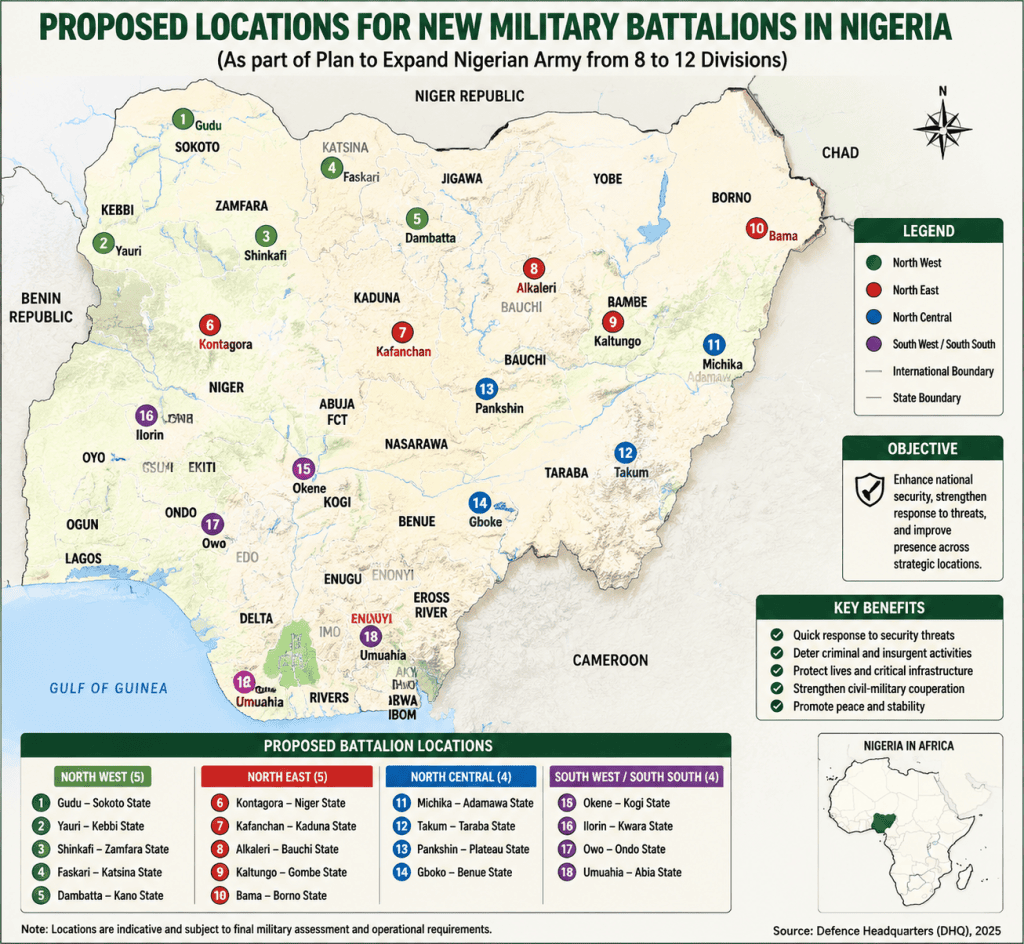
President Bola Tinubu claimed a win with the Oriire operation, claiming that it showed security forces can reach hideouts. He announced plans to expand the Army from eight to 12 divisions to strengthen forest security, taking a step advocated by TruthNigeria experts in January 2025.
Major Fajola Ojomo said expansion must be matched with action against the financial networks behind kidnappings.
“Reach the hideouts, cut the money and arrest the financiers. Anything less risks another Oriire,” Ojomo noted.
Who Pays When Victims Disappear?
For Oriire families, the rescue ended 56 days of fear. Across Nigeria, thousands still wait for missing relatives while carrying debts and unanswered questions.
Dr. Kabiru Adamu answered the headline question directly.
“So to answer the question in your headline: Who pays when victims disappear? The farmer in Zamfara. The trader in Katsina. The families in Oyo, Kwara, Kogi, Kaduna and Zamfara. Sometimes, the government – state and federal,” Adamu said.
Major Fajola Ojomo said Nigeria must confront the locations and money trails behind kidnappings.
“Until we shut down Rijana, Kainji and Oyo National Park and follow the money, we will finance the next kidnapping,” Ojomo said.
Onibiyo Segun reports on terrorism and conflict for TruthNigeria.