Nigeria’s Energy Tussle – The Most Powerful Union vs. The Most Powerful Businessman
Shutdown Could Worsen Fuel Scarcity, Drive Up Costs
By Onibiyo Segun
Abuja, FCT, Nigeria – The standoff between Nigeria’s most powerful labor union and Africa’s richest man has escalated into a showdown that could shake the nation’s energy sector. The Petroleum and Natural Gas Senior Staff Association of Nigeria (PENGASSAN) ordered its members to cut crude and gas supplies to the $20 billion Dangote Refinery, citing mass layoffs of Nigerian workers and their replacement with foreign labor.

At the center of the crisis is Aliko Dangote, Africa’s wealthiest businessman, whose refinery was hailed as the game-changer that would end Nigeria’s decades-long dependence on imported fuel. Instead, it has become the flashpoint of a labor war that threatens to plunge the economy into deeper turmoil.
PENGASSAN General Secretary Lumumba Okugbawa said Dangote Refinery’s treatment of Nigerian staff was “a show of disloyalty to a country that has given him the most incentives any company has ever enjoyed in Nigeria, at taxpayers’ expense.” According to the union, the refinery fired Nigerian workers en masse, hiring 2,000 Indians in their place.
“The refinery cannot enslave Nigerians in their own land,” Okugbawa declared. “We will resist this abuse with every tool available.”
The union’s directive, issued September 26, instructed its branches, including Shell, Chevron, and Total to cut off all crude and gas supply lines to Dangote Refinery. The move threatens to choke Nigeria’s most ambitious industrial project barely a year after it launched operations.
Dangote Group responded with fury, issuing a strongly worded statement that branded the union’s action as “lawless, reckless, and criminal.”
“There is no law that gives PENGASSAN the right to cut off crude and gas supplies to the refinery,” the statement read. “This constitutes economic sabotage, introducing chaos and mayhem into our society. The Association has no authority to interfere with our contracts.”
Dangote argued that its contracts for crude and gas were not with the union but with suppliers, and warned that the union’s directive could bring fuel shortages and hardship nationwide. The company described the shutdown as a “direct attack on Nigeria’s strategic national asset.”
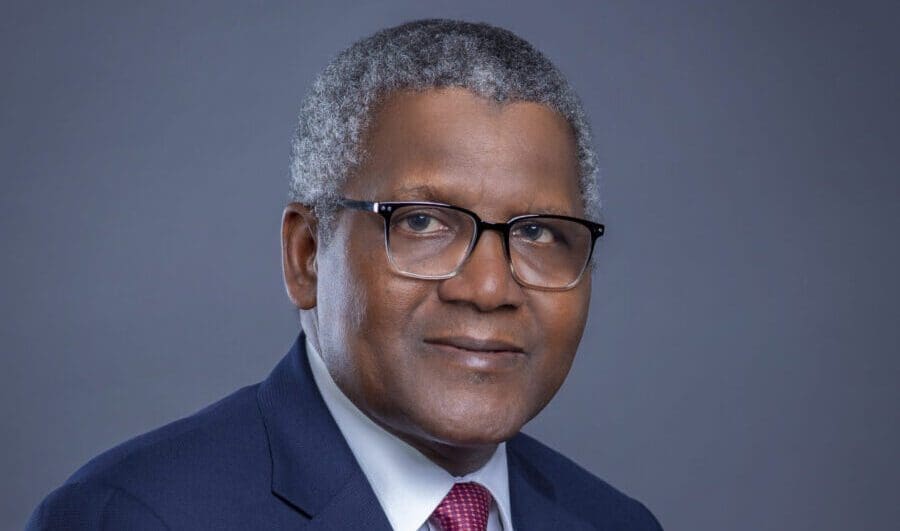
Analysts say the crisis pits two titans against each other: Nigeria’s most powerful labor union versus its most powerful businessman. “This is not just a labor dispute; it is a battle for dominance in the political economy of Nigeria,” said Dr. Samuel Okoye, an energy policy expert at the University of Lagos to TruthNigeria.
Okoye noted that PENGASSAN has long wielded power by threatening strikes that disrupt the oil industry, which provides more than 90 percent of Nigeria’s export earnings. “But this is the first time they’ve gone head-to-head with Dangote, who has the financial clout and political backing to fight back.”
The stakes are high. Nigeria is already grappling with a cost-of-living crisis: inflation stands at 33 percent, food prices have skyrocketed, and 70 percent of Nigerians are classified as food insecure. A prolonged shutdown of Dangote Refinery could worsen fuel scarcity, drive up transportation costs, and inflame public anger.
“The timing couldn’t be worse,” said Ngozi Anozie, a labor rights advocate to TruthNigeria. “With Nigerians already struggling to survive, this showdown risks becoming the trigger for wider unrest. People will blame both sides if petrol prices shoot up again.”
The government, caught in the middle, faces a dilemma. President Bola Tinubu’s administration has publicly celebrated Dangote Refinery as the crown jewel of Nigeria’s industrial revival. But alienating PENGASSAN risks provoking a wider strike in the oil sector, something Nigeria can ill afford.
A senior official in the presidency working in the labor ministry, Bayo Bello told TruthNigeria that the government was “deeply concerned” and working behind the scenes to broker peace. “The last thing we need is a fuel supply crisis caused by labor unrest. Both sides must step back from the brink,” the official said.
For Dangote, the refinery is more than a business. It is his legacy project, touted as Africa’s biggest single-train refinery, with capacity to refine 650,000 barrels of crude oil daily. Its success would make Nigeria self-sufficient in fuel and turn it into a net exporter.
But critics argue that Dangote has leveraged enormous state support, tax incentives, cheap loans, and regulatory favors without delivering promised benefits. “It’s the Nigerian people who have bankrolled Dangote’s empire,” said Anozie to TruthNigeria. “If he mistreats Nigerian workers, it’s not just a private issue, it’s a national scandal.”
The crisis has revived debate about the balance of power between labor, capital, and the state in Nigeria. Some observers see it as a test case for whether powerful unions can still hold sway in an era when business magnates wield unprecedented influence.
“Historically, PENGASSAN has brought governments to their knees,” said Professor Ibrahim Yusuf, a political economist at Ahmadu Bello University. “But Dangote is no ordinary businessman. He has the ear of presidents and international financiers. This is why the conflict has escalated into a full-blown national drama.” He said to TruthNigeria reporter.
For now, both sides remain entrenched. The union insists it will not back down until Dangote reinstates sacked Nigerian workers. Dangote maintains that the union’s directive is illegal and must be withdrawn before any talks can proceed.
Caught in the crossfire are ordinary Nigerians, who may soon face fresh fuel scarcity if the standoff drags on. At a filling station in Wuse, Abuja, motorists already expressed anxiety. “We suffered during the subsidy removal, and now this,” said taxi driver Adewale Balogun. “We don’t care who is right or wrong, we just need affordable fuel.”
As the battle between the most powerful union and the most powerful businessman intensifies, Nigerians brace for impact. Will the government intervene decisively, or will the showdown push Africa’s largest economy closer to paralysis?
The answer may define not just the future of Dangote Refinery, but also the balance of power in Nigeria’s fragile democracy.
Onibiyo Segun reports on conflicts for TruthNigeria.