By Ezinwanne Onwuka
(Abuja) In a sweeping move to reform its overcrowded prison system, Nigeria has released more than 4,500 inmates in a single national initiative—sparking urgent warnings from security analysts about possible unintended consequences for an already fragile state. https://www.prisonstudies.org/country/nigeria?
The release, announced last week by Nigeria’s Interior Minister, Dr. Olubunmi Tunji-Ojo, is part of broader efforts to overhaul the country’s strained correctional system. The minister said the goal is to align Nigeria’s practices with global standards. But experts say the sudden mass discharge of inmates—many of whom were awaiting trial—could have serious national-security implications.
Overcrowded Prisons and Budget Pressures
Nigeria’s prison population has soared to more than 86,000—housed in facilities originally built for just 50,153. Most inmates are pre-trial detainees who have languished in jail for months or even years without convictions.
The government claims the releases will save about ₦1 billion (around $660,000) in food and maintenance expenses. However, the number of inmates still exceeds capacity by more than 30,000.
This latest release is part of a larger trend: Between 2022 and mid-2025, more than 7,600 inmates have been freed across Nigeria, according to figures reported by local media outlet The Punch. That includes 707 in 2022, nearly 4,700 in 2023, and another 1,843 in 2024—well before the recent mass release.
Rising Concerns Over Security and Reintegration
But critics warn that cost savings should not come at the expense of national security. Without a comprehensive reintegration plan, some fear the releases could unintentionally empower violent actors and exacerbate instability, especially in parts of the country already gripped by conflict.
“Nigeria is battling multiple security crises—terrorism, banditry, sectarian violence—and now we’re releasing thousands of people back into communities with no support system,” said Michael Ajah, a security analyst based in the capital, Abuja.
Ajah told TruthNigeria that some of those released may have been radicalized behind bars, where overcrowded conditions and weak oversight provide fertile ground for extremist recruitment.
“The prison system is not just about punishment; it’s part of the national security apparatus,” Ajah said. “If the screening process was not robust, then this could feed directly into the networks of militancy and organized crime.”
The Conflict Zones: Where Violence Is Already Widespread
Ajah’s concerns are especially relevant in Nigeria’s volatile Middle Belt region—a vast central corridor where Africa’s most populous country intersects between the Muslim-majority north and Christian-majority south.
In this region, states like Benue, Plateau, and Kaduna—comparable in size and population to U.S. states like Maryland or South Carolina—have seen sustained violence against Christian farming communities. Much of the violence is carried out by Fulani ethnic militias—nomadic pastoralists locked in deadly conflict with settled agrarian populations over land, resources, and religious differences.
In Benue State, located in central Nigeria and often referred to as the country’s “food basket,” more than 200 people were massacred by armed Fulani militants in a single incident in June 2025 in the village of Yelewata. A month earlier, 87 Christians were killed in a series of attacks that spanned several communities.
Plateau State, which sits just north of Benue and includes the city of Jos, has seen similar atrocities. On Palm Sunday 2025, over 50 worshipers returning from church services were ambushed and killed in coordinated attacks. Another series of assaults in May wiped out entire villages, displacing thousands.
According to data from Amnesty International and TruthNigeria, more than 10,000 people have been killed in intercommunal and insurgent violence across seven Nigerian states—including Sokoto, Zamfara, Katsina, Kebbi, and Edo—since May 2023. Benue alone accounts for nearly 7,000 of those deaths.
Beyond known actors such as Boko Haram and ISWAP (Islamic State West Africa Province), new militant groups are also emerging—such as Lakurawa in northwestern Sokoto and Kebbi states, and Mamuda in central Kwara State.
A Human Rights Perspective
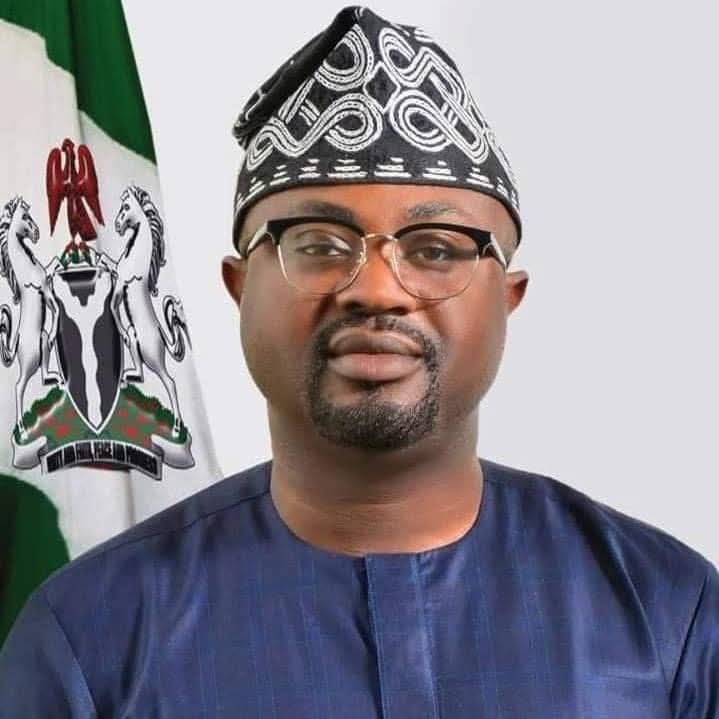
Despite the grim backdrop, the Nigerian government defends its decision. Minister Tunji-Ojo insists that many of those freed were nonviolent offenders or awaiting trial without legal representation. He argues that overcrowded jails disproportionately impact the country’s poorest citizens, calling the initiative a moral imperative.
“Our correctional centers house some of the most vulnerable people,” he said. “It is our moral and constitutional obligation to treat them with dignity and fairness.”
However, critics argue that humanitarian intent must be backed by a clear, transparent process—including mental health support, vocational training, and security vetting—to prevent a potential spiral of recidivism or worse.
As Nigeria grapples with both an overburdened legal system and a widening security crisis, observers say the stakes are high—not just for those freed, but for a nation seeking balance between justice and safety.
Ezinwanne Onwuka writes human interest and feature stories for TruthNigeria.